Local detail
The Cost of This Job
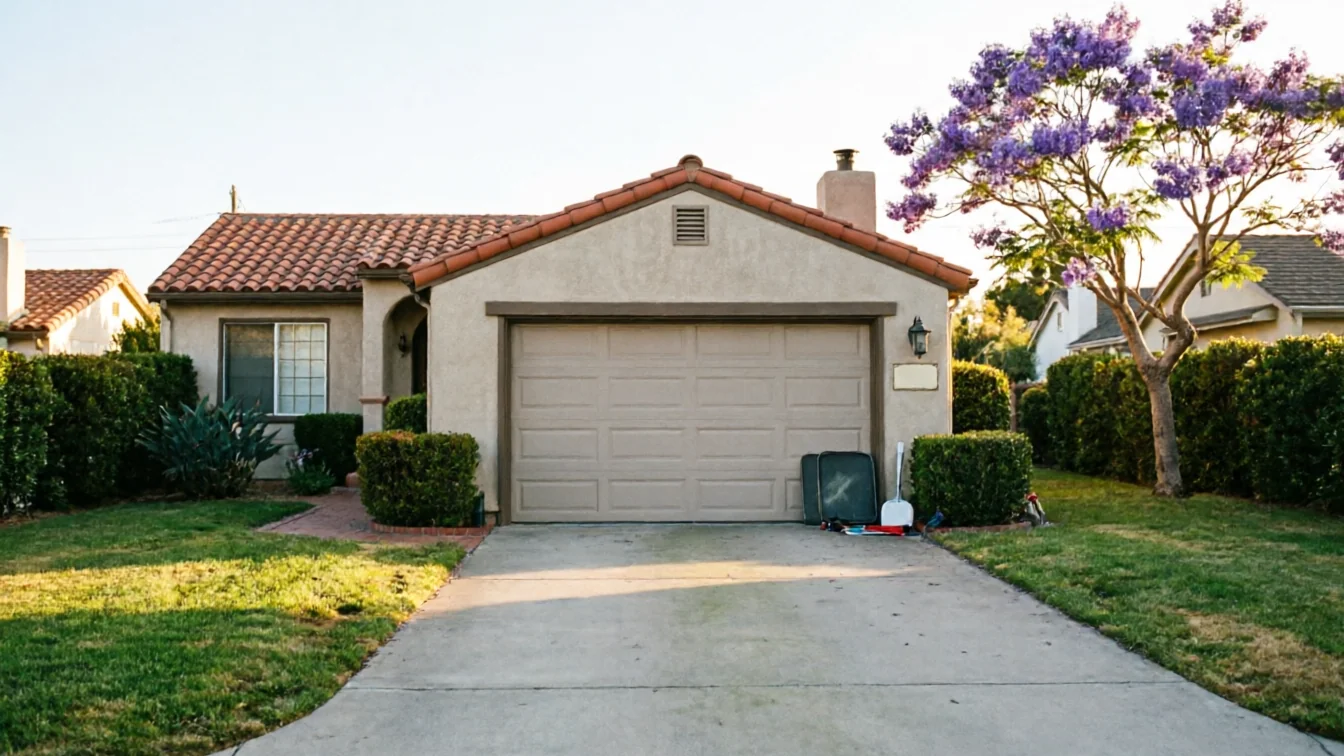
What a door costs here depends on which kind of garage you've got before it depends on anything else. An attached garage built into a 1960s tract house usually has a standard single or double opening framed to the house itself, so a replacement panel set is often a straight swap against the existing track and header. A detached garage, especially on an older lot, can have an opening that was framed by hand decades ago and doesn't match any current stock size, which means custom trim or a cut-down panel - more labor, more material, more time on the truck. With a median household income of $100,558 across the service area, a lot of owners here choose to replace the whole door and opener together rather than patch a thirty-year-old section at a time, since parts for the original 1960s-70s hardware are getting harder to source new. We don't carry every obsolete bracket on the truck, and if your detached garage still runs the original extension-spring setup from when the house went up, that's usually the first thing we flag before we quote anything. We're not going to give you a number here - pricing depends on the door size, the track type, and whether the opening needs reframing, and none of that is something we guess over the phone.
The area
When to Call Someone
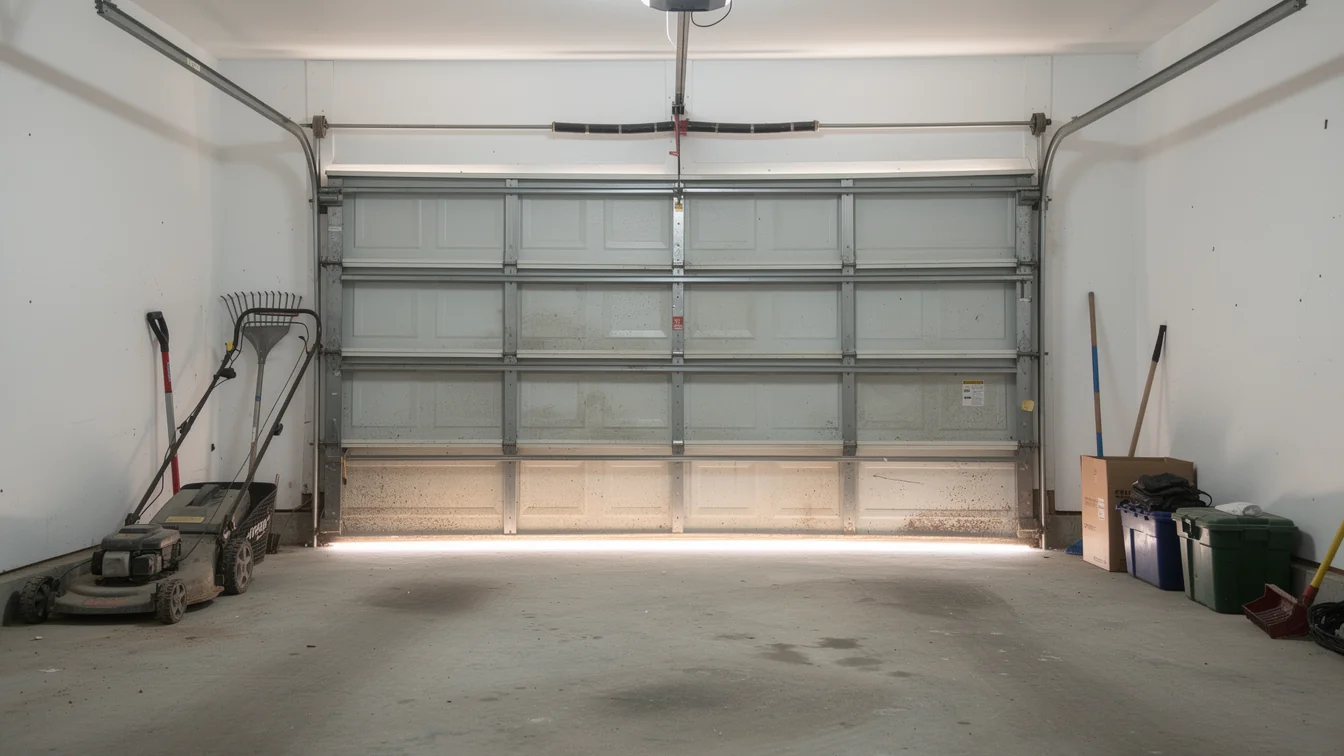
An attached garage shares a wall, and sometimes a ceiling joist, with the rest of the house, so a door that's binding, dragging, or slamming on its track isn't just a garage problem - it's vibration running into a bedroom or kitchen next door. If the door shudders when it closes or the opener strains audibly partway through the cycle, that's worth a call before the spring or cable finishes failing on its own schedule. A detached garage is a different animal. Nothing inside the house depends on it closing right, so owners tend to let a slow roller or a sagging panel ride longer than they should. The trouble is that a detached garage door often runs on older torsion or extension hardware original to a house built in the 1943-2012 range, median 1962, and that hardware doesn't fail gently - a spring under tension lets go all at once. Call before it gets to that point if you notice the door hanging unevenly, cables fraying at the drum, or the opener reversing for no clear reason. Those are mechanical warnings, not cosmetic ones, on either type of garage.
What we find
What the Weather Here Does to It
Azusa sits in a moderate heat climate band, not the extreme desert heat you'd get further out toward the high desert. That matters for the difference between attached and detached garages in a specific way: an attached garage with a shared wall to living space will carry some of that daytime heat into the house through the door and the slab, while a detached garage just bakes on its own and nobody notices until they walk in. Because the heat here is moderate rather than extreme, we don't see the kind of panel warping or seal failure that shows up in hotter inland climates - steel and aluminum doors hold their shape fine through an Azusa summer. What we do see is nylon rollers and plastic idler bearings getting brittle faster on doors that face west and take the afternoon sun directly, which is common on detached garages set at the back of a lot with no shade structure. If your attached garage door is the kind that backs up to a bedroom, a insulated panel does more for comfort than it does for your opener's motor. On a detached garage, insulation mostly just slows down how hot the inside gets - it won't save the hardware.
How we work
The Problem
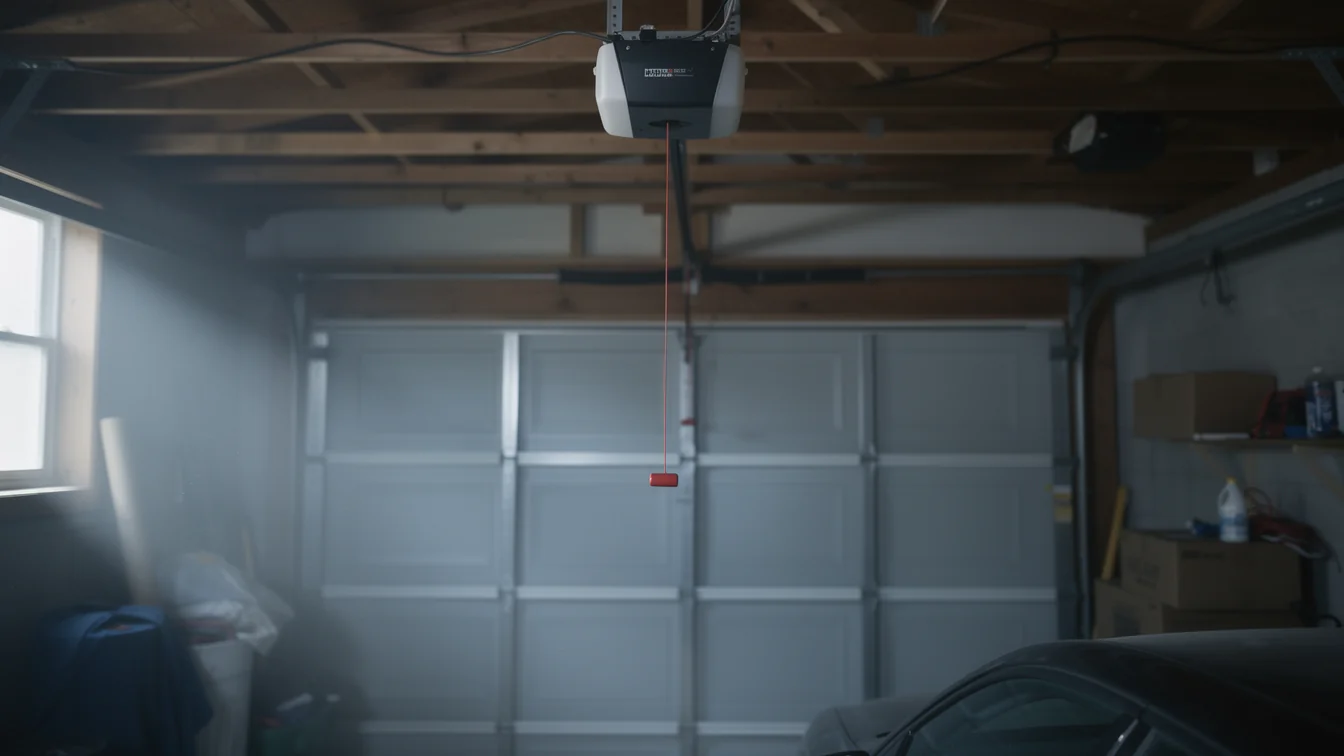
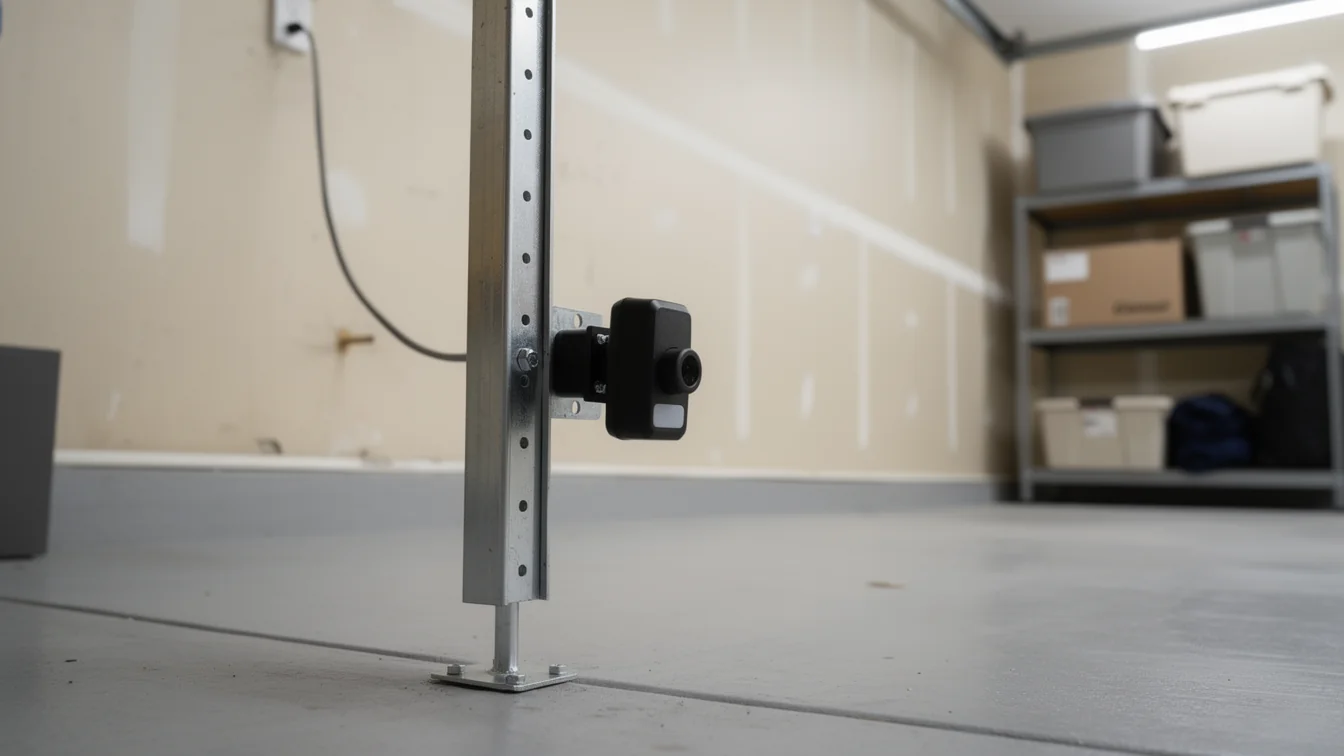
The real issue with detached garages in a city built mostly in the 1960s and 70s is power and wiring, not the door itself. A lot of detached garages out here were wired as an afterthought, with a single run out from the house panel that was never meant to carry a modern opener plus lighting plus anything else. When we swap in a new opener on a detached bay, the first question is whether that circuit can actually handle it, because we're not running new service as part of a door job. Attached garages don't have that problem - they're on the house circuit and usually fine - but they carry a different one. Because the garage shares structure with the house, a door that's out of balance puts stress on the header and the framing around it, not just on itself. We've opened up attached garages where the real fix wasn't the door at all, it was the track pulling away from a header that had shifted slightly over sixty years. We'll tell you straight if a job is bigger than a door swap. Rewiring and structural framing aren't things we take on - that's electrician or contractor work, and we'll say so before we start.
Talk to a local pro
Garage door trouble in Azusa?
Same-day service with honest, upfront quotes.