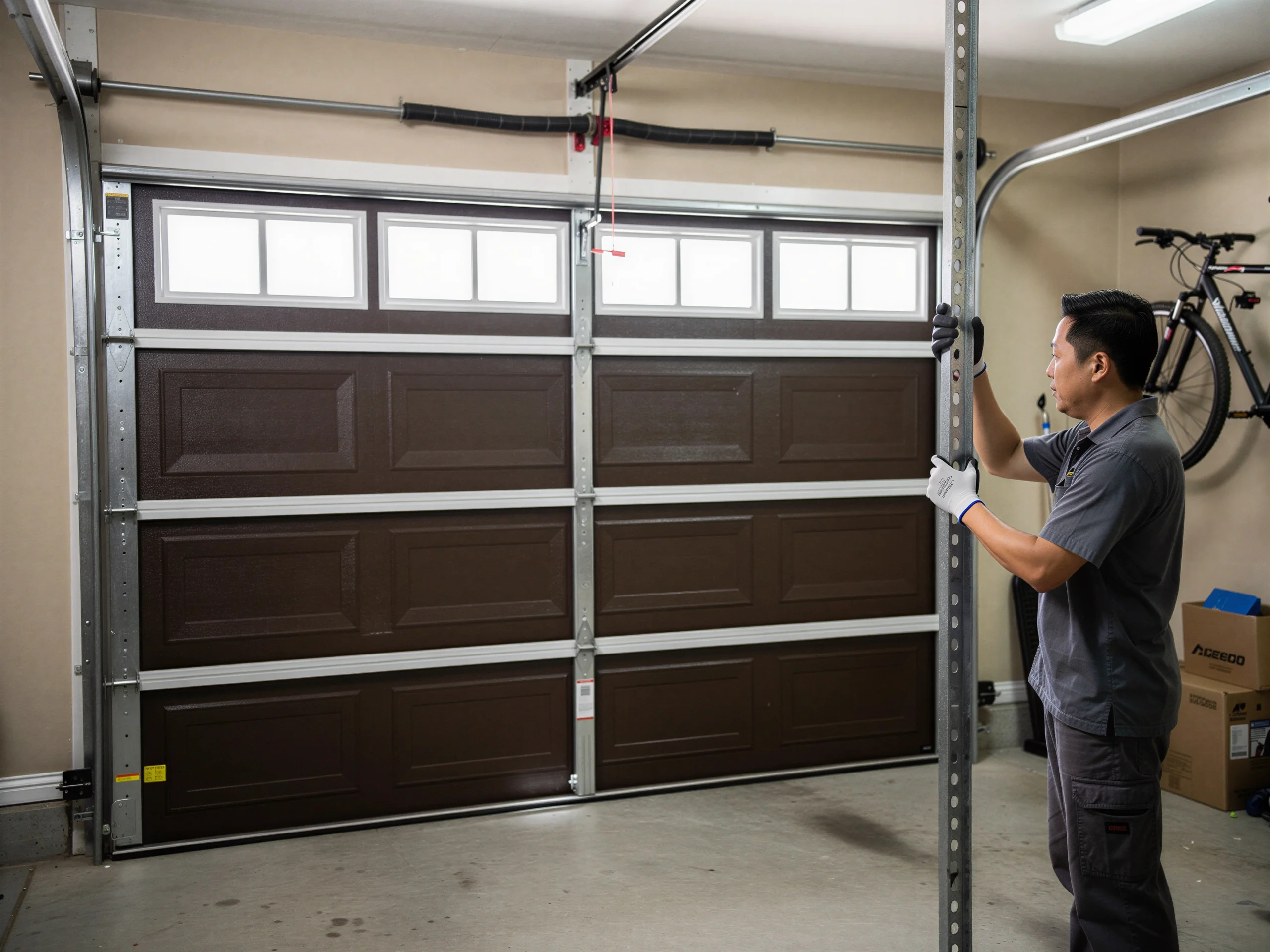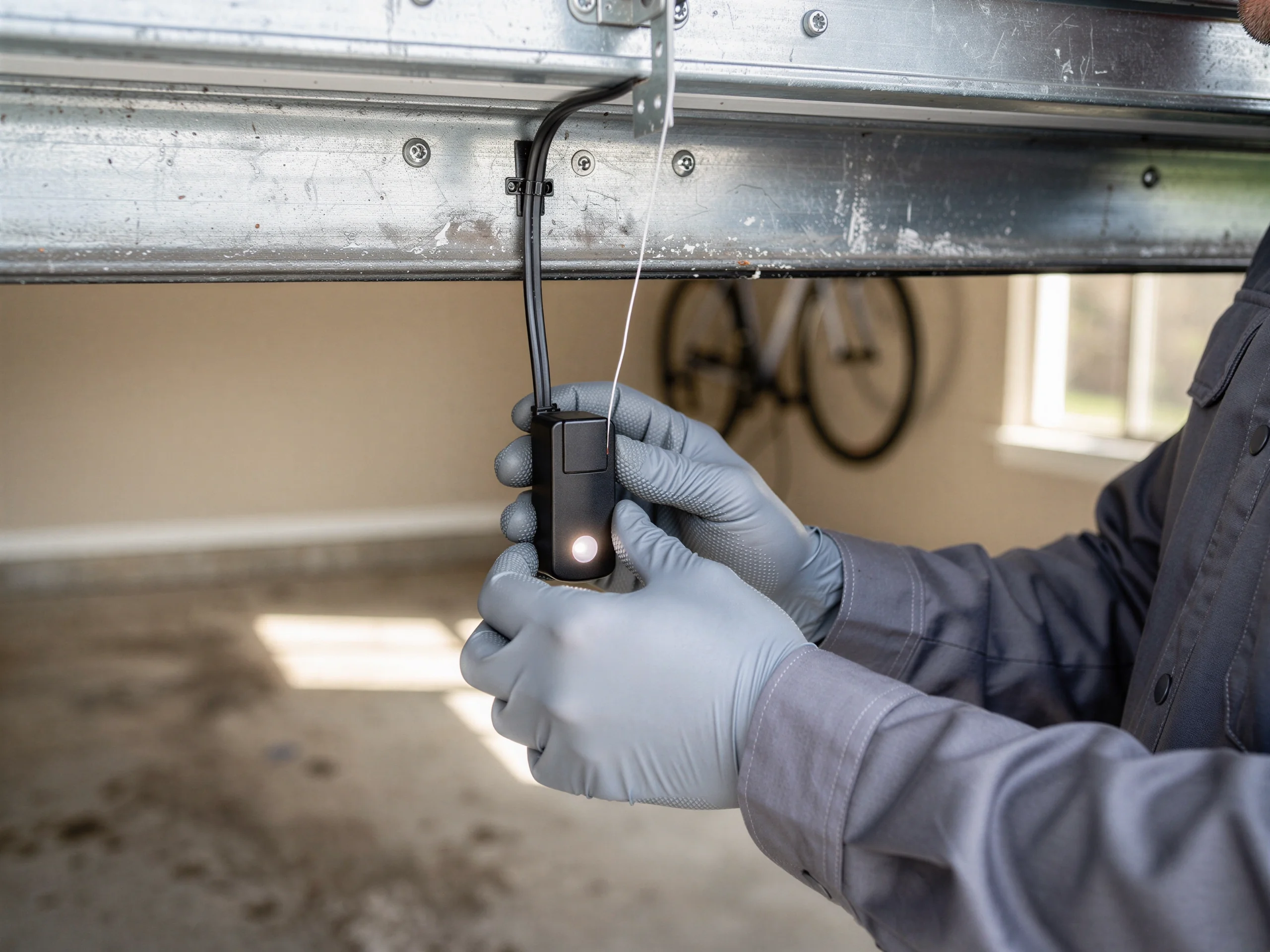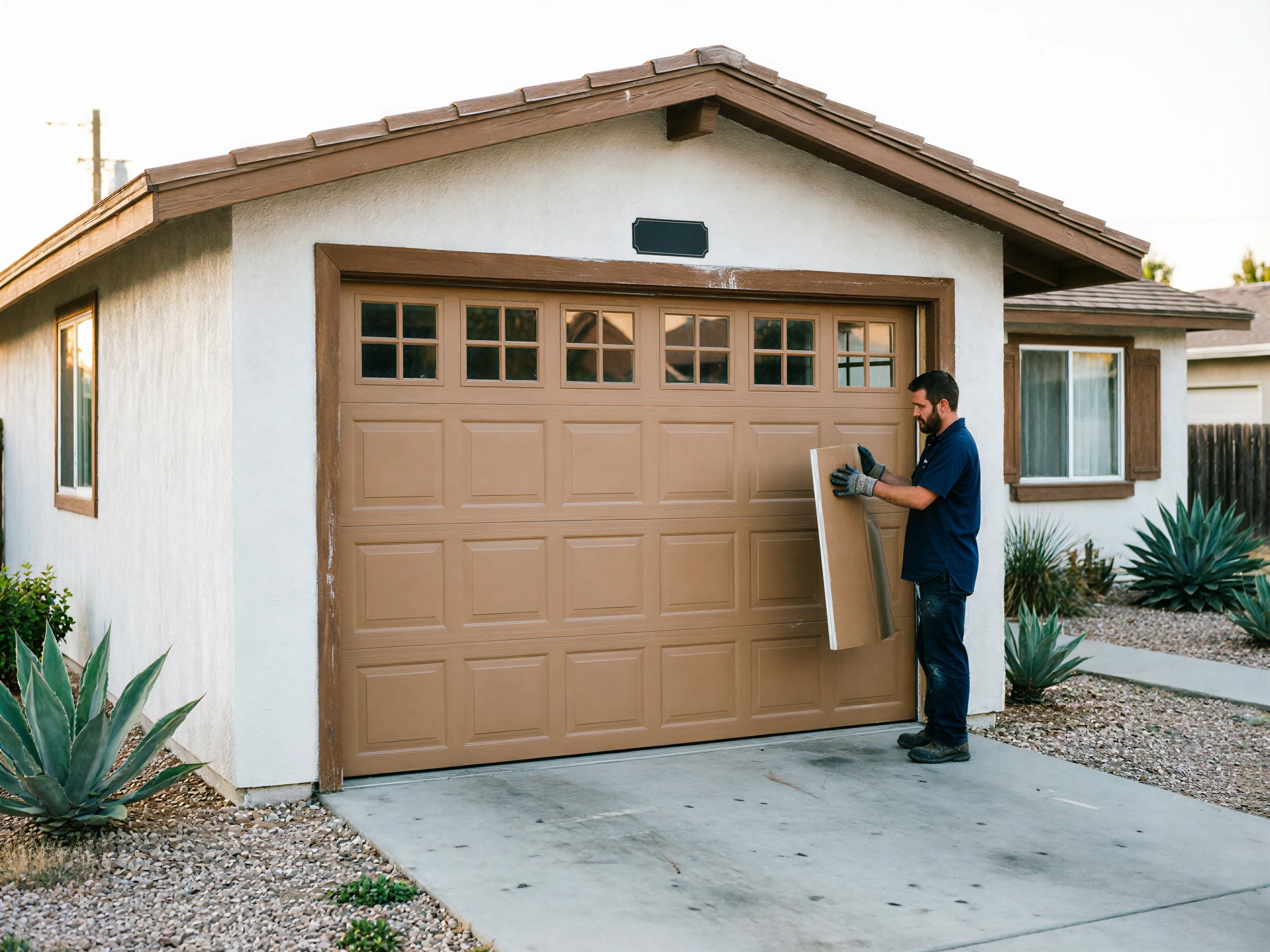
Why It Happens Here
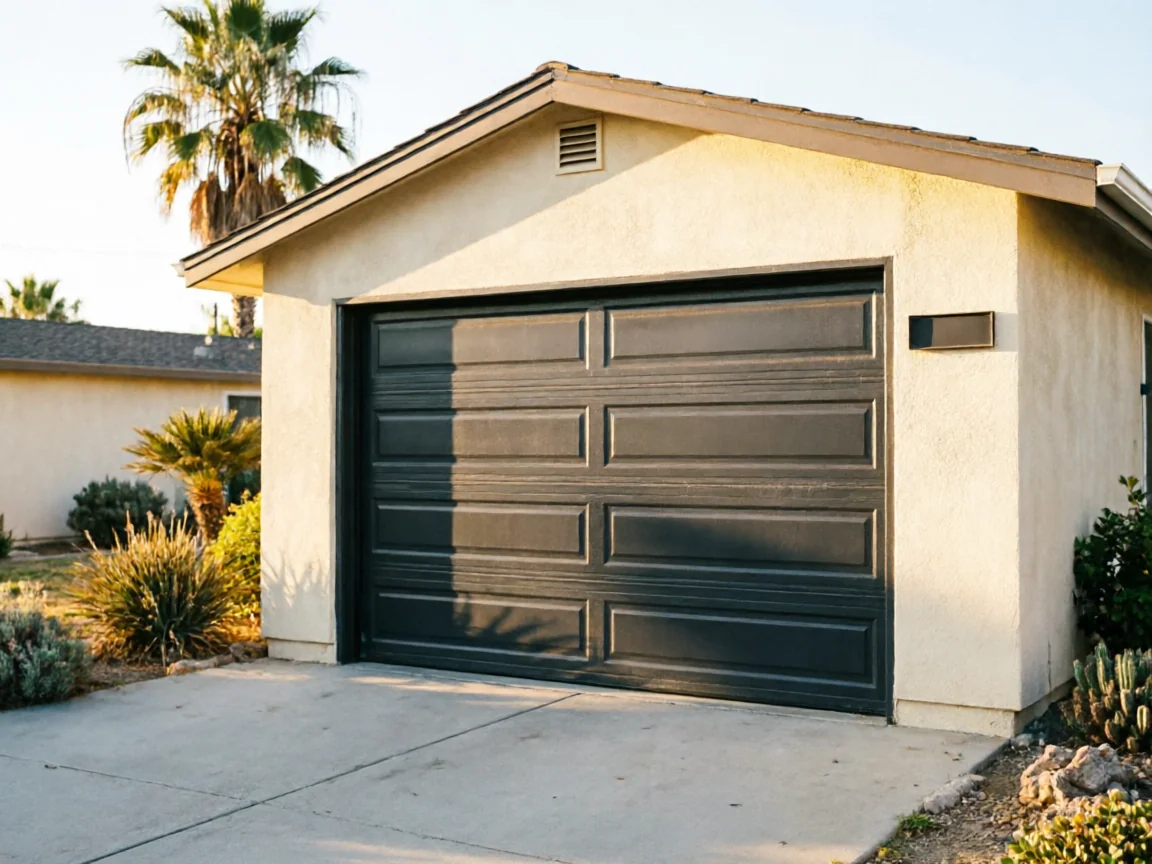
Azusa sits a few miles from Duarte, Vincent, and Bradbury, and that whole stretch of the valley got built out in roughly the same window - housing here runs from 1943 to 2012, but the median year is 1962, and most of it clusters in the 1960s and 70s boom. That matters for maintenance because a door's hardware doesn't age on its own schedule. It ages on the house's schedule. A torsion spring rated for a certain cycle count, installed when the house went up, is going to be near the end of that count on thousands of Azusa garages at roughly the same time, not spread out randomly.
The heat here is moderate rather than extreme, which is actually part of the story - it's not one brutal summer that kills a spring or a bearing, it's decades of ordinary thermal cycling doing slow, steady work on lubricant, galvanizing, and steel fatigue. Garages within a few miles of each other - Irwindale, Covina, Glendora - share that same slow clock. A door that's never been serviced since the house was built isn't unusual around here. It's the norm, and it's why maintenance calls in this area tend to turn up the same handful of issues instead of something random.
We won't pretend every house on the block has identical hardware - additions, remodels, and prior repairs break the pattern constantly. But the baseline age is real, and it's the reason a tune-up here finds something more often than not.
The Symptom
The most common thing we hear is some version of "it's gotten loud" or "it hesitates partway up. Neither is dramatic, and that's exactly the problem - they're easy to live with for months while the underlying wear gets worse.
Gradual spring tension loss
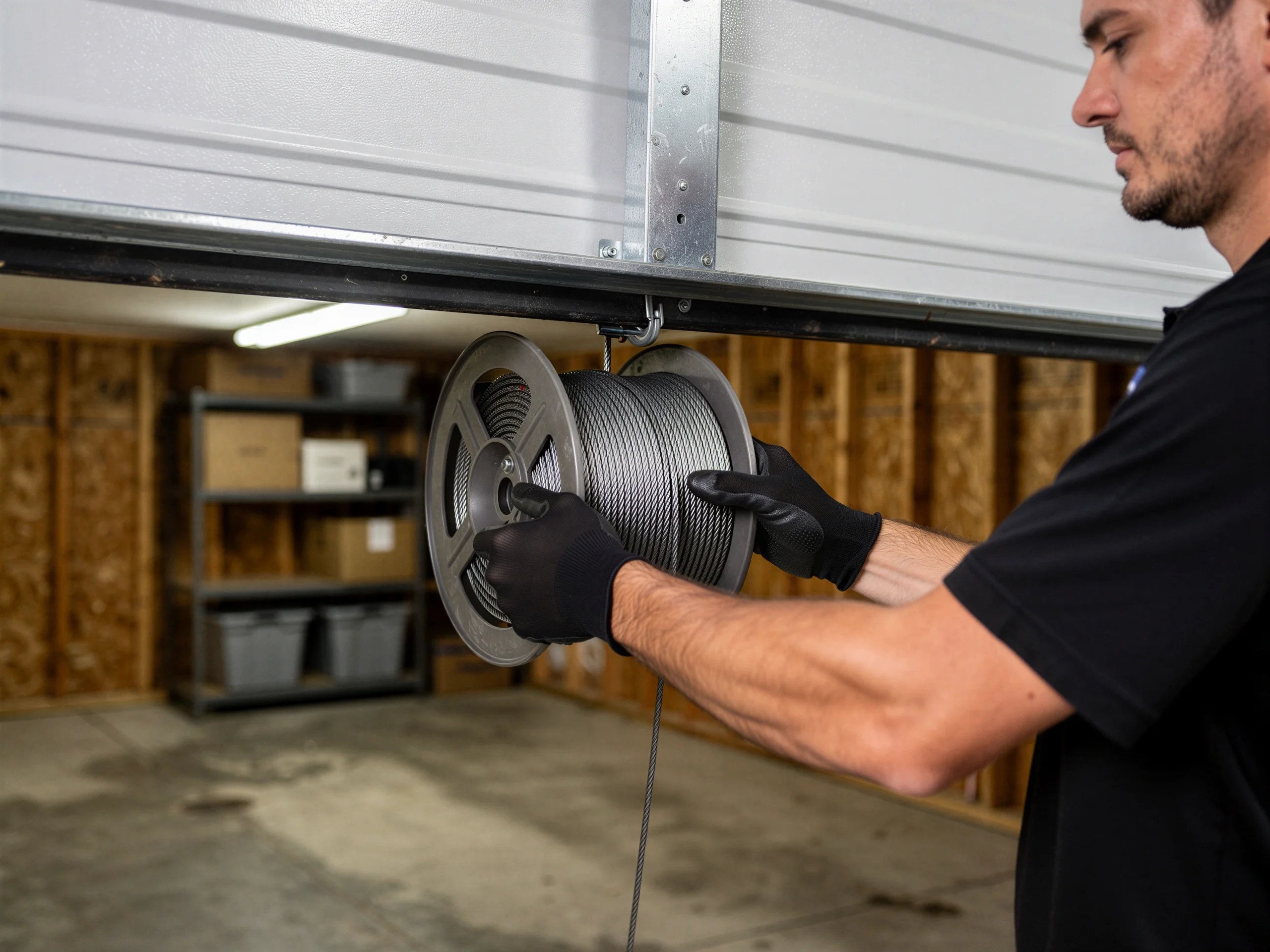
A torsion spring losing tension doesn't usually snap without warning; the opener just starts straining harder to lift the same door, the cable loosens on one side before the other, and the door starts tracking crooked by a quarter inch you don't notice until a roller finally jumps the rail.
Single-torsion setups aging
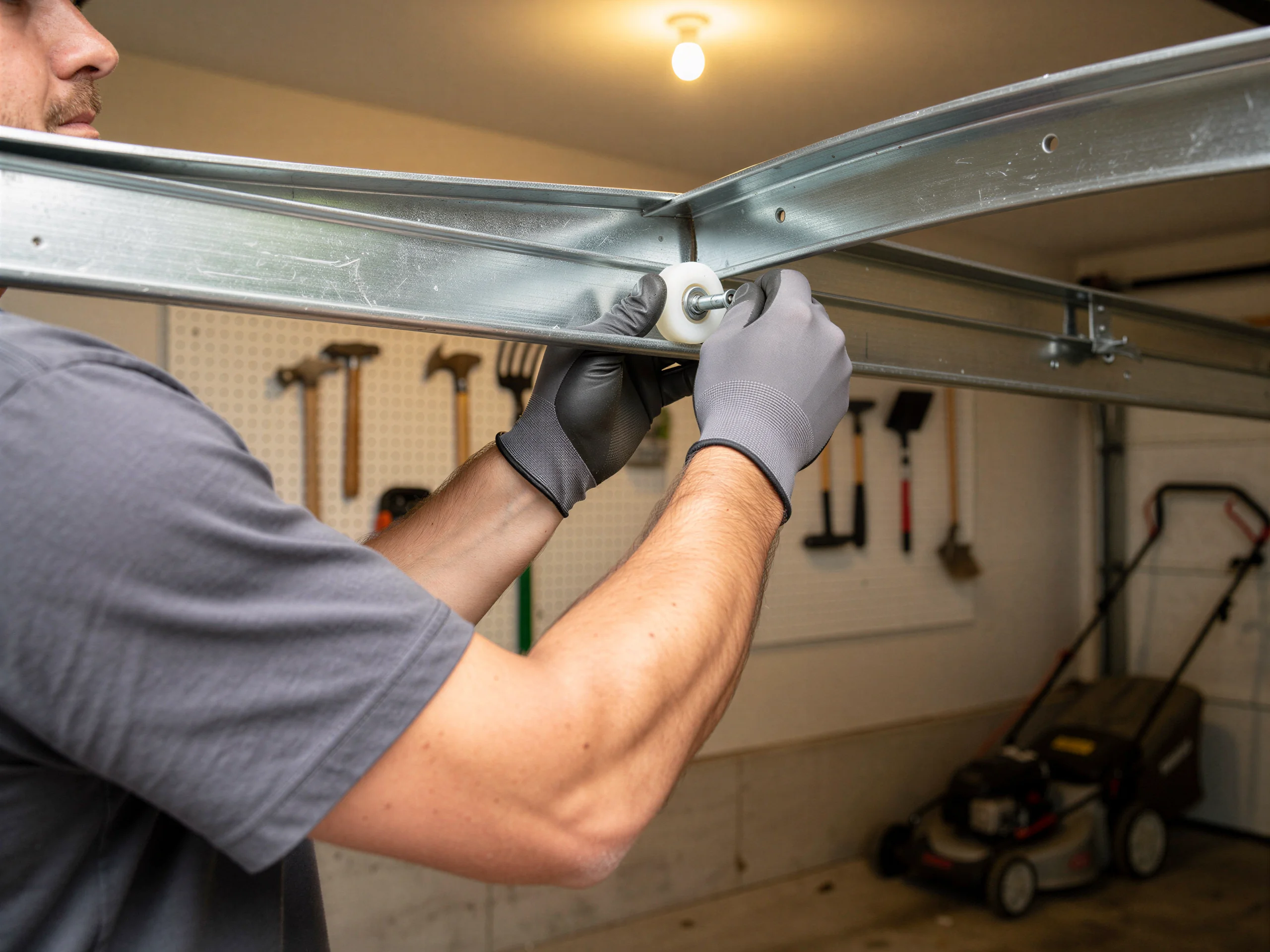
Given how much of Azusa's housing stock sits in that 1960s-70s band, we see a specific cluster: single-torsion setups (one spring instead of two) that were standard when the house was built, now carrying decades of cycles with lubrication that was never redone. Rollers go from nylon-quiet to steel-rattle. Hinges develop play. None of this is an emergency on day one.
Maintenance buys warning
It becomes one on a day you didn't pick, usually when the spring finally lets go and the door comes down fast with nothing holding it. Maintenance doesn't reset the clock on a 60-year-old spring. What it does is catch the roller, hinge, and cable wear before it becomes a cable snap or a jumped track, and tell you honestly when a spring is close enough to the end that replacing it on your schedule beats replacing it on its.
How to Book
If your door is making new noise, hesitating, or just hasn't been looked at since you moved in, the fastest way to get a maintenance visit on the calendar is through our site at /. We cover Azusa and the surrounding area out to about the distances in our service map - Duarte and Bradbury a few miles out, Irwindale and Covina a bit farther, Glendora and Monrovia past that. Tell us roughly when the door was last serviced, if you know, and what you've noticed - a sound, a hesitation, an uneven close. That's usually enough for us to know what to check first before the truck even shows up.
Can You Do This Yourself
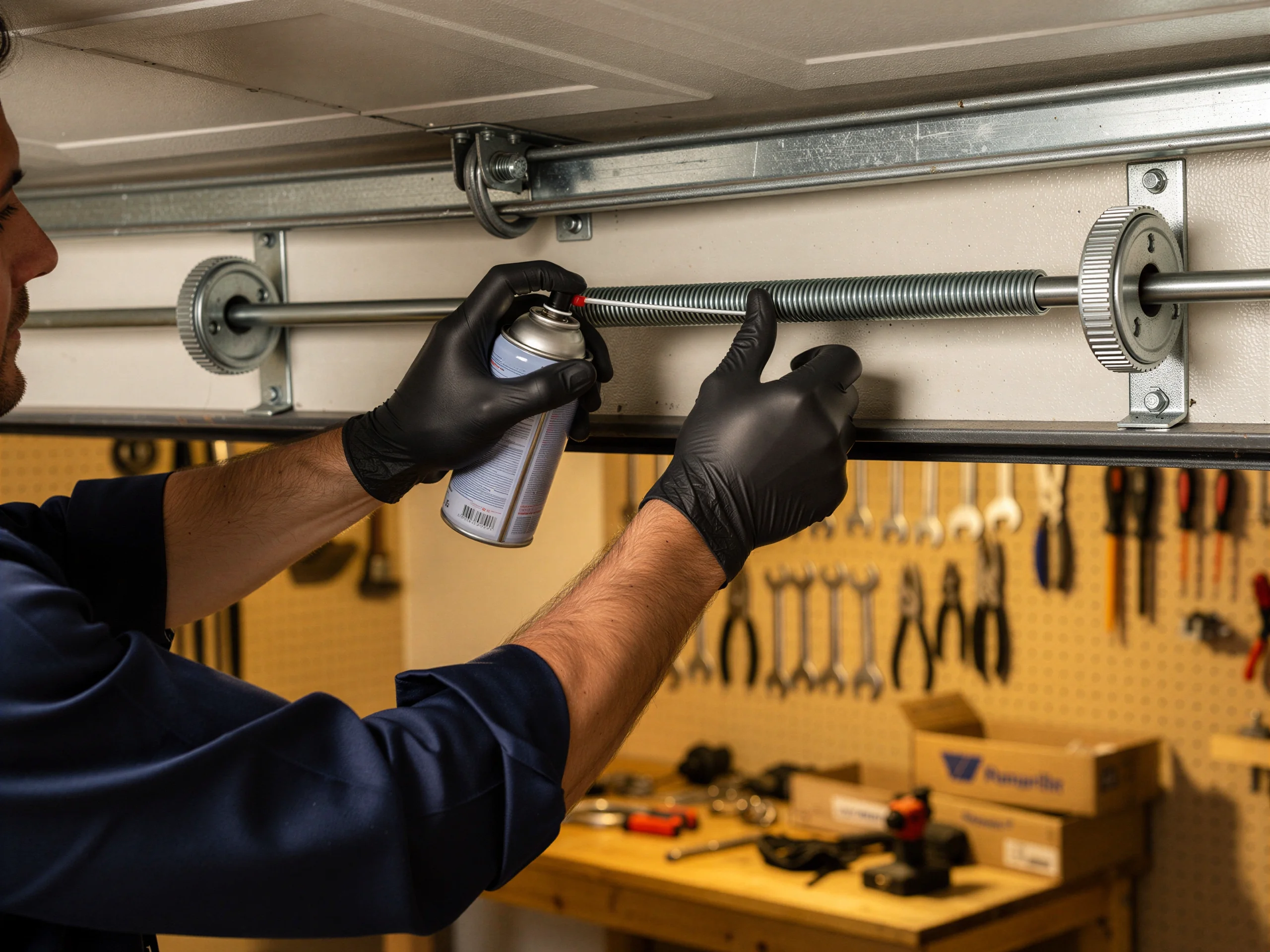
Some of it, yes. Wiping down and lubricating the rollers and hinges with the right garage-door lubricant (not WD-40, which washes grease out rather than adding it) is a ten-minute job most homeowners can manage safely, and doing it once or twice a year on a door this age is worth it.
Homeowner inspection tasks
Checking that the track is clear of debris and that the weatherstripping at the bottom isn't cracked is also fair game. What we don't recommend doing yourself is anything involving the torsion spring itself - adjusting tension, removing it, or trying to diagnose how much life is left in it.
Stored energy hazard
A torsion spring under load is storing enough energy to cause real injury if it lets go while you're working near it, and on houses from this era, that spring has usually had decades to weaken in ways that aren't obvious from looking at it.
Lubrication is homeowner work
That's the one honest limit here: lubrication and inspection are a homeowner job, spring work isn't, and we'd rather tell you that upfront than have you find out the hard way.
Talk to a local pro
Garage door service in Azusa?
Same-day service with honest, upfront quotes.