Why It Happens Here
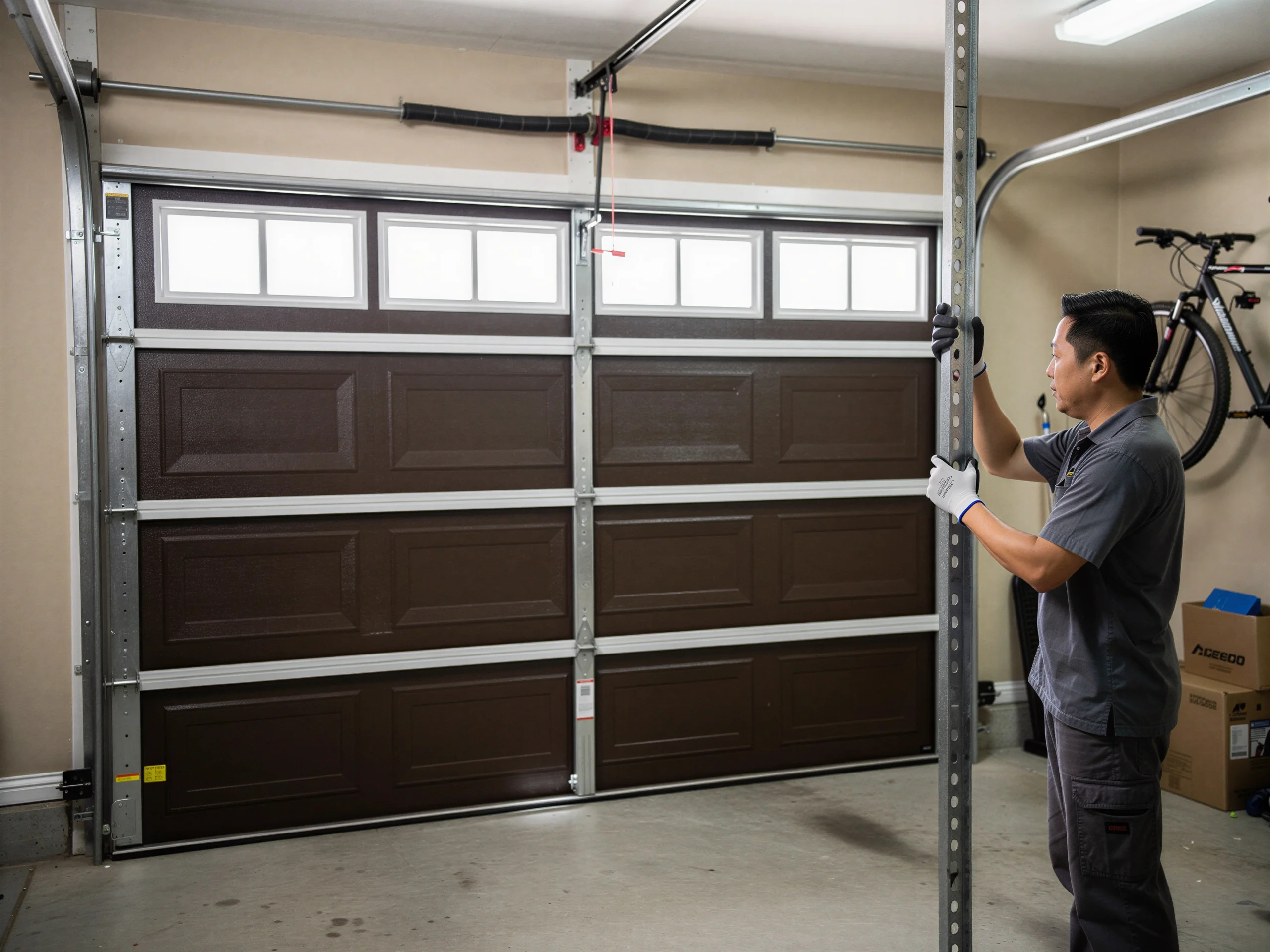
Most of the houses we get called to in this stretch of the San Gabriel Valley went up between 1943 and 2012, with the bulk of that stock dating to the 1960s and 70s. That matters for openers because a chunk of those units are second or third replacements on the same bracket, wired into a garage that was never insulated for the equipment hanging in it. The climate band here runs moderate-to-hot, and an opener motor sitting against a stucco wall that bakes all afternoon ages faster than the same unit in a cooler garage. Capacitors dry out, gear-and-sprocket drive kits strip their plastic teeth, and logic boards that were fine in March start throwing random reversals by August. We also see a lot of chain-drive units from the 80s and 90s still running on houses from that original 1962-median build era - the motor outlived the house's electrical upgrades, so the real fault is sometimes a loose neutral at the outlet, not the opener itself. None of this is dramatic. It's just heat and age doing what heat and age do to a motor that runs the same travel, thousands of times, for decades.
The Symptom
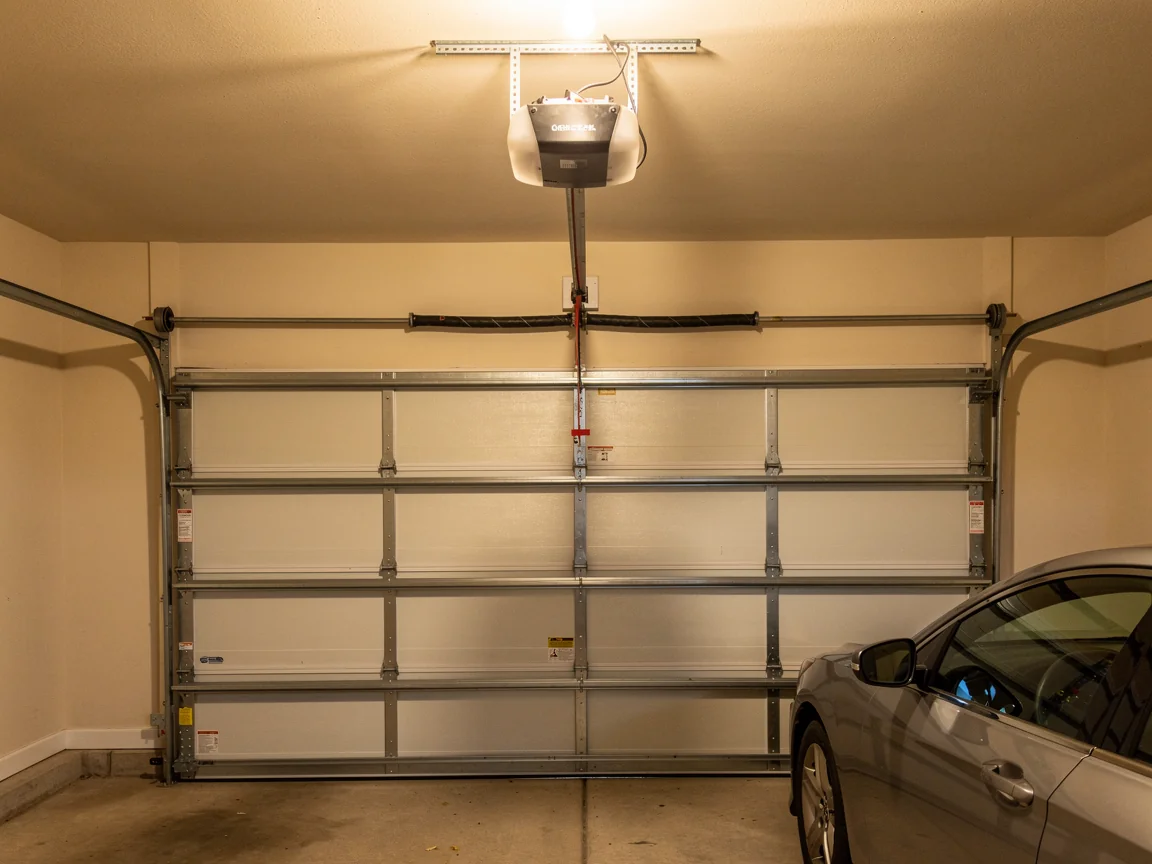
The call usually starts the same way: the door won't open, or it opens partway and reverses, or the remote works from the driveway but not from inside the car.
Humming motor, stalled carriage
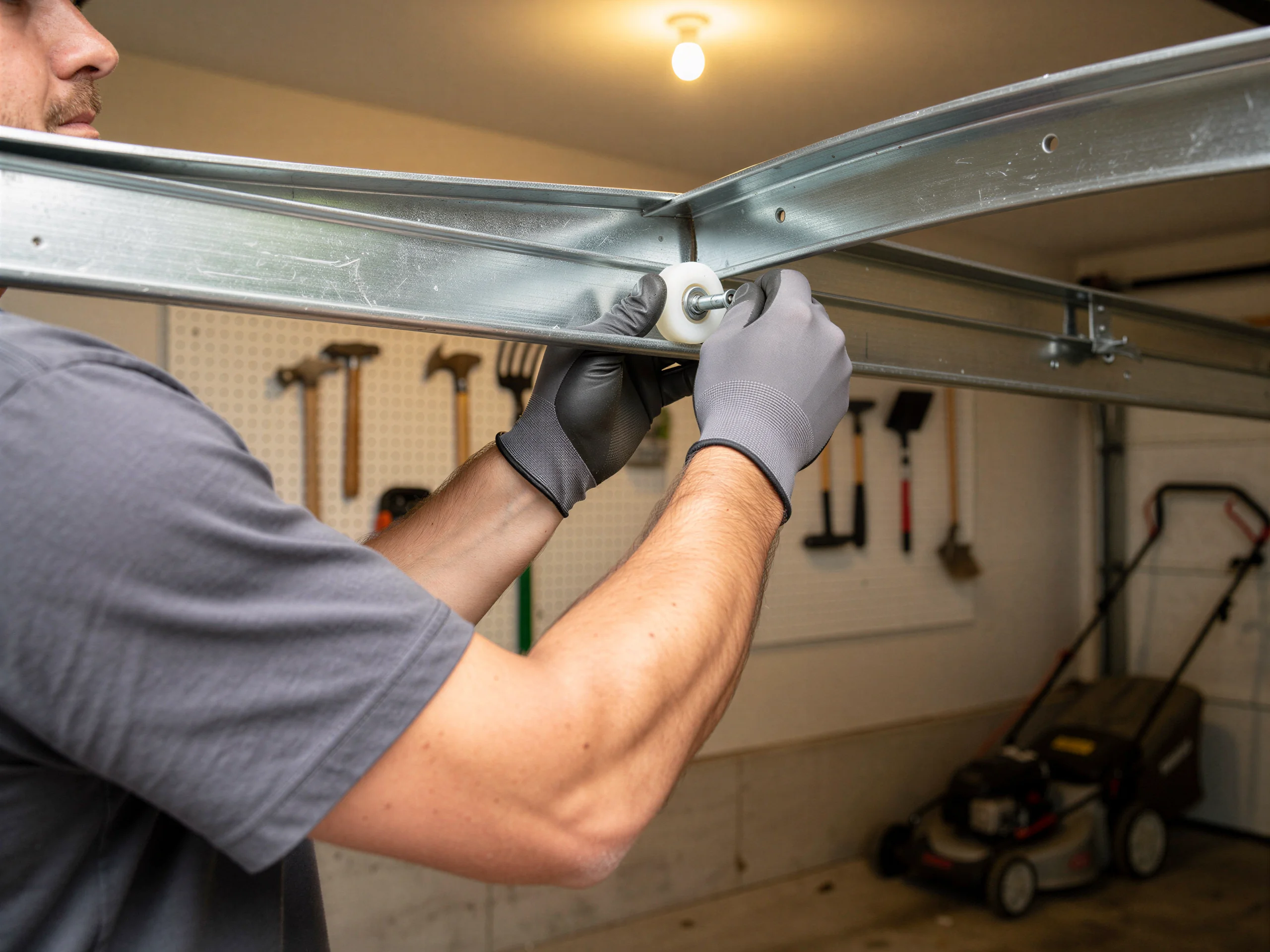
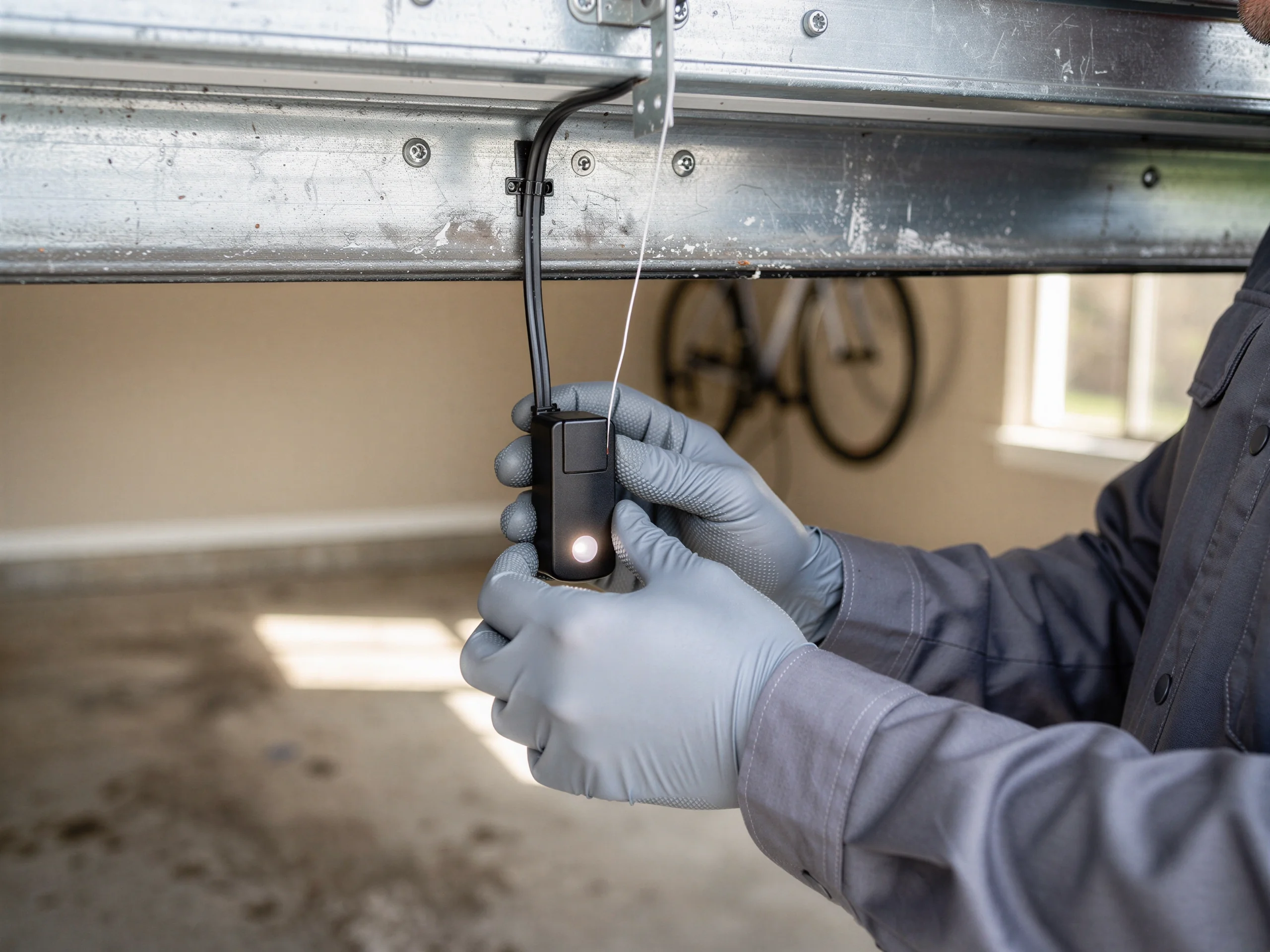
Sometimes it's a light that blinks but the motor hums and doesn't move the carriage - that's a capacitor or a stripped gear, not a dead unit. A door that opens fine but won't close, stopping an inch off the floor and backing up, is almost always a safety-sensor alignment problem, not the motor at all, and we check that before we touch anything electrical.
Check power first
If the wall button does nothing and the remote does nothing, we're looking at power to the unit first - a tripped GFCI or a loose splice - before we assume the logic board is bad. Grinding or buzzing without travel points to the drive gear.
Spring disguised as opener
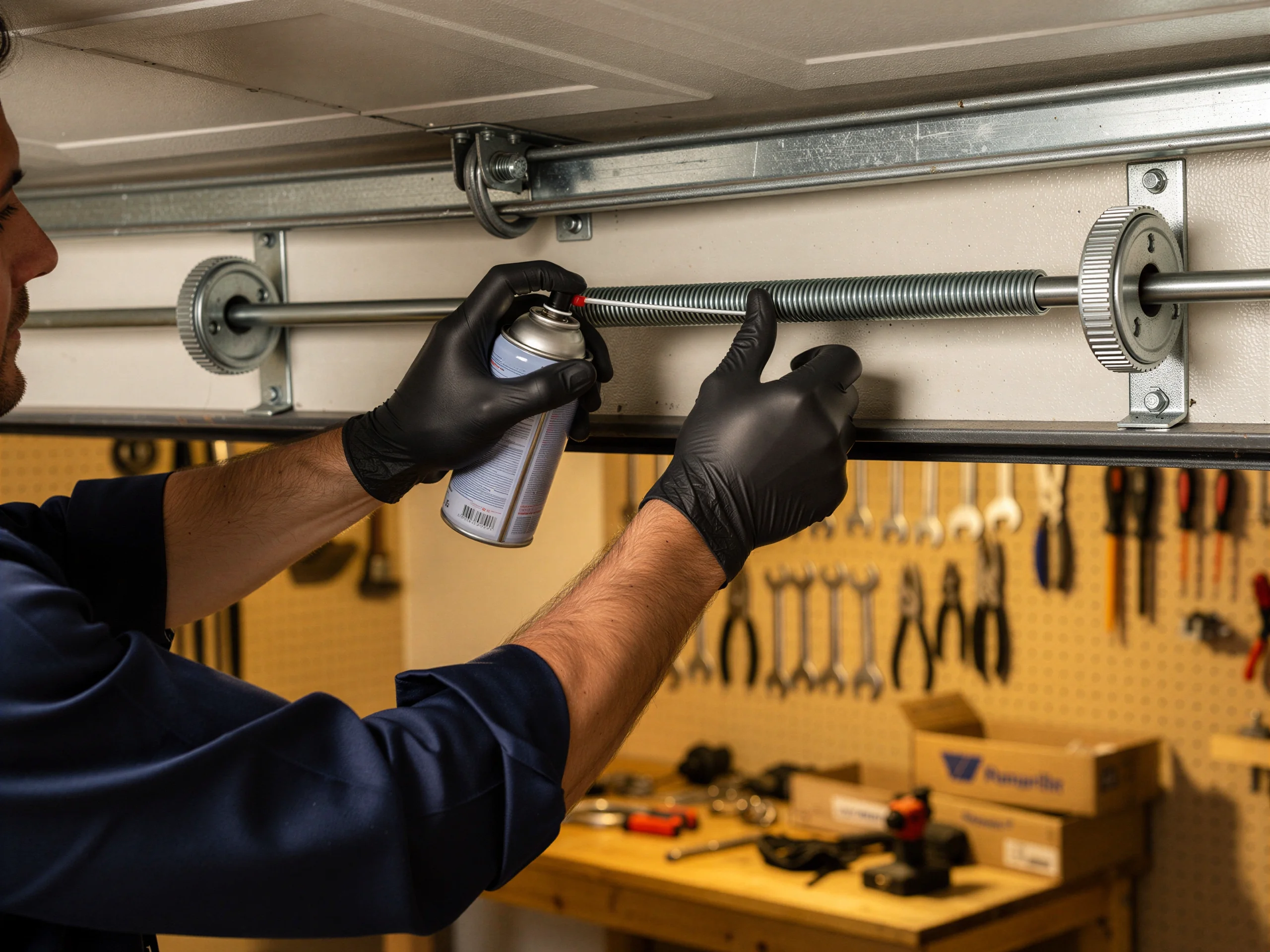
A hard clunk partway through the cycle, followed by the door refusing to move either way, is more often a spring or cable problem that just happens to show up as an opener symptom, and that's a different repair.
How to Book
Call or use the contact page at our site and tell us what the opener is doing - not just "it's broken," but whether it hums, whether the light blinks, whether it moves at all. That one detail lets us bring the right parts on the first trip instead of a second visit. We'll ask the brand if you know it, roughly how old the unit is, and whether anything changed recently - a power outage, a new remote, a storm. From there we schedule a visit and diagnose on site before any repair starts, so you know the cost before we open anything up.
Can You Do This Yourself
Clearing a dirty photo-eye sensor or reprogramming a remote is reasonable to try yourself, and it fixes more "broken opener" calls than people expect. Replacing a drive gear, a logic board, or anything involving the high-voltage side of the motor housing is not a weekend project, and on older chain-drive units from the stock built through the 60s and 70s, parts aren't always sitting on a shelf - sometimes we have to source a compatible gear kit rather than an exact match, and that can add a day or two. If the opener is original to a house from that 1962-era wave and keeps failing every few months, replacement usually costs less over time than repeated repair calls. We'll tell you straight when that's the case instead of billing another service visit.
Talk to a local pro
Garage door service in Azusa?
Same-day service with honest, upfront quotes.