Local detail
The Cost of This Job
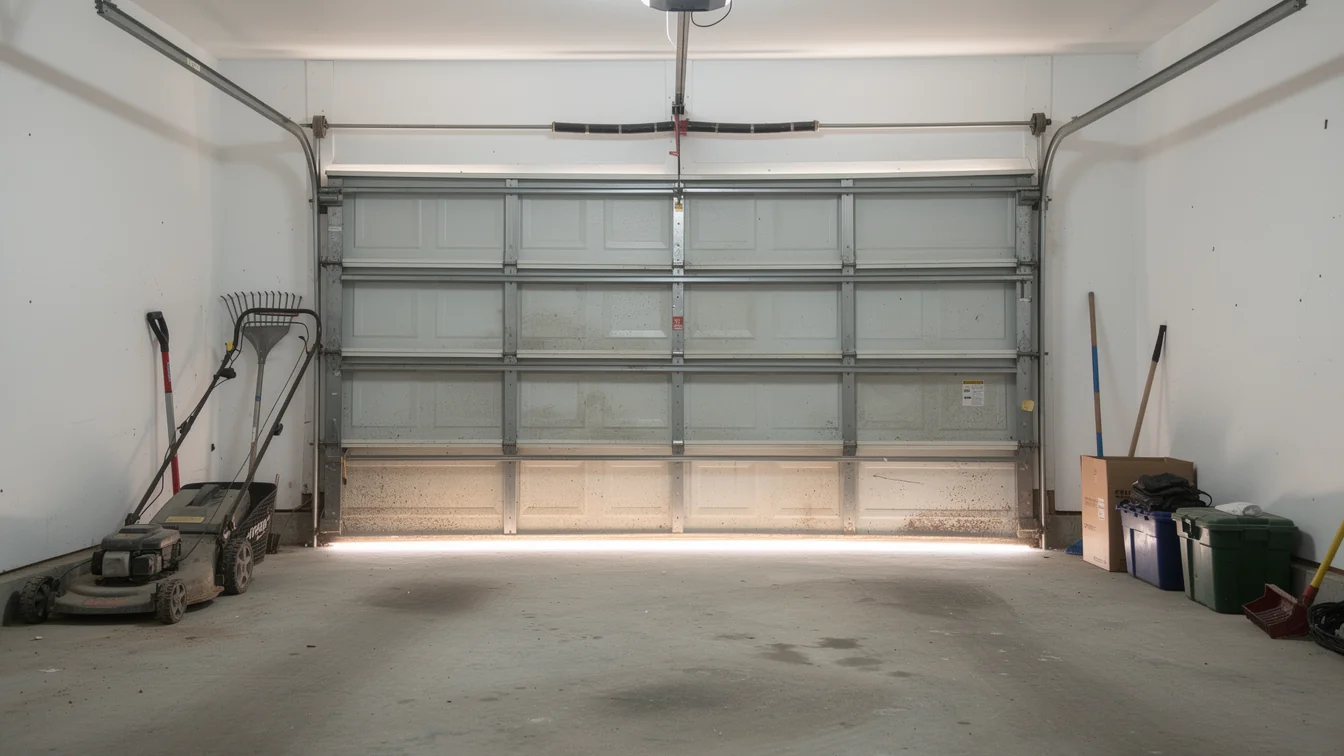
Most of the doors we open up in Azusa sit on houses built between 1943 and 1962, back before any code required a garage door to hold in heat or keep it out. That means a single skin of steel, no foam core, no thermal break at the bottom seal. Fixing one of these isn't like swapping a modern sectional panel. With 200,019 owner-occupied houses across the service area and a median household income of $100,558, most of the owners we talk to are weighing a weatherstrip-and-insulation retrofit against a full replacement, not writing a blank check for either. A retrofit kit stapled into the existing panel backing can solve the draft and the heat-soak into the garage, but it won't fix a warped panel or a track that's racked from decades of expansion and contraction. We'll tell you straight which one you're actually dealing with before you spend anything. If the steel is already bowed or the rollers are chewing through worn tracks, patching the insulation is money that doesn't carry forward into a replacement later - better to know that up front than find out after the retrofit.
The area
When to Call Someone
Call when the door feels heavier than it used to, or when it's noticeably louder going up on a hot afternoon than it was in the morning. On a house from the 1962 era, that's usually the steel skin cupping as it heats, which throws the panel edges out of true with the track rollers. You'll hear it before you see it - a scrape or a shudder partway through the cycle that wasn't there last season. Don't wait on that one; a door binding in the track under spring tension is how cables fray and springs fail early. Also call if you've added a retrofit insulation kit yourself and the door now won't seat flush at the bottom - that's extra weight the opener wasn't sized for, and it strains the drive gear over time. We don't recommend DIY spring adjustment on these older torsion setups regardless of the reason for the call; the hardware sizing on pre-1970s doors is often discontinued, and getting it wrong under tension is how people get hurt. If it's just a sticky roller or a loose hinge, that's a five-minute fix and not worth a service call by itself.
What we find
What the Weather Here Does to It
Azusa sits in a moderate heat band - not the triple-digit desert swings you get further out, but enough daily heat cycling to matter on an uninsulated steel door. A single-skin panel from the 1960s-70s stock that makes up most of this area absorbs heat on the sun-facing side of the garage through the afternoon, then cools fast once the sun drops. That expansion and contraction, repeated for fifty-plus years, is what bows panels outward at the center and loosens the screws holding hinges to the steel. It's slow damage - you won't see it happen, you'll just notice one day the door doesn't sit flat against the weatherstrip anymore. Moderate heat also means the plastic and rubber parts - idler bearings, the bottom seal - dry out and crack years sooner than the manufacturer's spec sheet assumes, because that spec sheet was written for a milder climate than a sun-facing garage door actually sees. None of this is dramatic weather. It's just steady heat doing what steady heat does to material that was never built with a thermal break in it.
How we work
The Problem
The root issue is simple: doors on houses built before insulation rules existed weren't designed to manage heat at all, they were designed to keep a car dry and the door shut. Across the 48 named areas that make up this mostly 1960s-70s housing stock, that's the door you're most likely to have - steel, single layer, original hardware or a close match to it. Finding replacement panels that match the original size and profile is getting harder every year as manufacturers phase out those dimensions, and that's the honest limitation here: sometimes the panel you need just isn't being made anymore, and a full door replacement is the only real fix, not a patch job. Towns like Duarte, Monrovia, and Covina sit within a few miles and share the same mid-century housing wave, so parts suppliers in this corridor still stock some of the older hardware sizes - but that supply is thinning, not growing. If your door is from that era and still has its original panel, that's worth knowing before a crack or a dent forces a decision on a schedule you didn't pick.
Talk to a local pro
Garage door trouble in Azusa?
Same-day service with honest, upfront quotes.