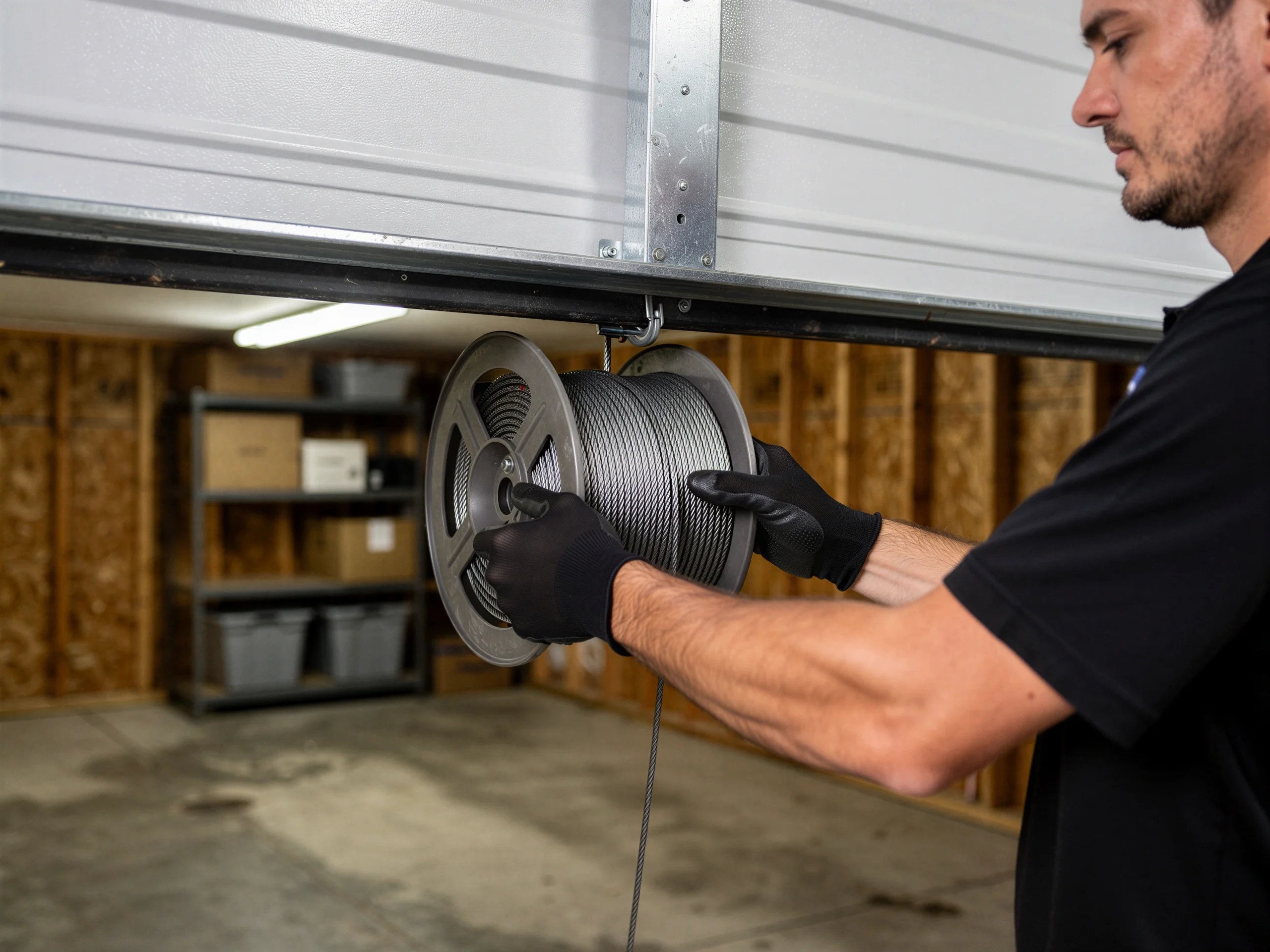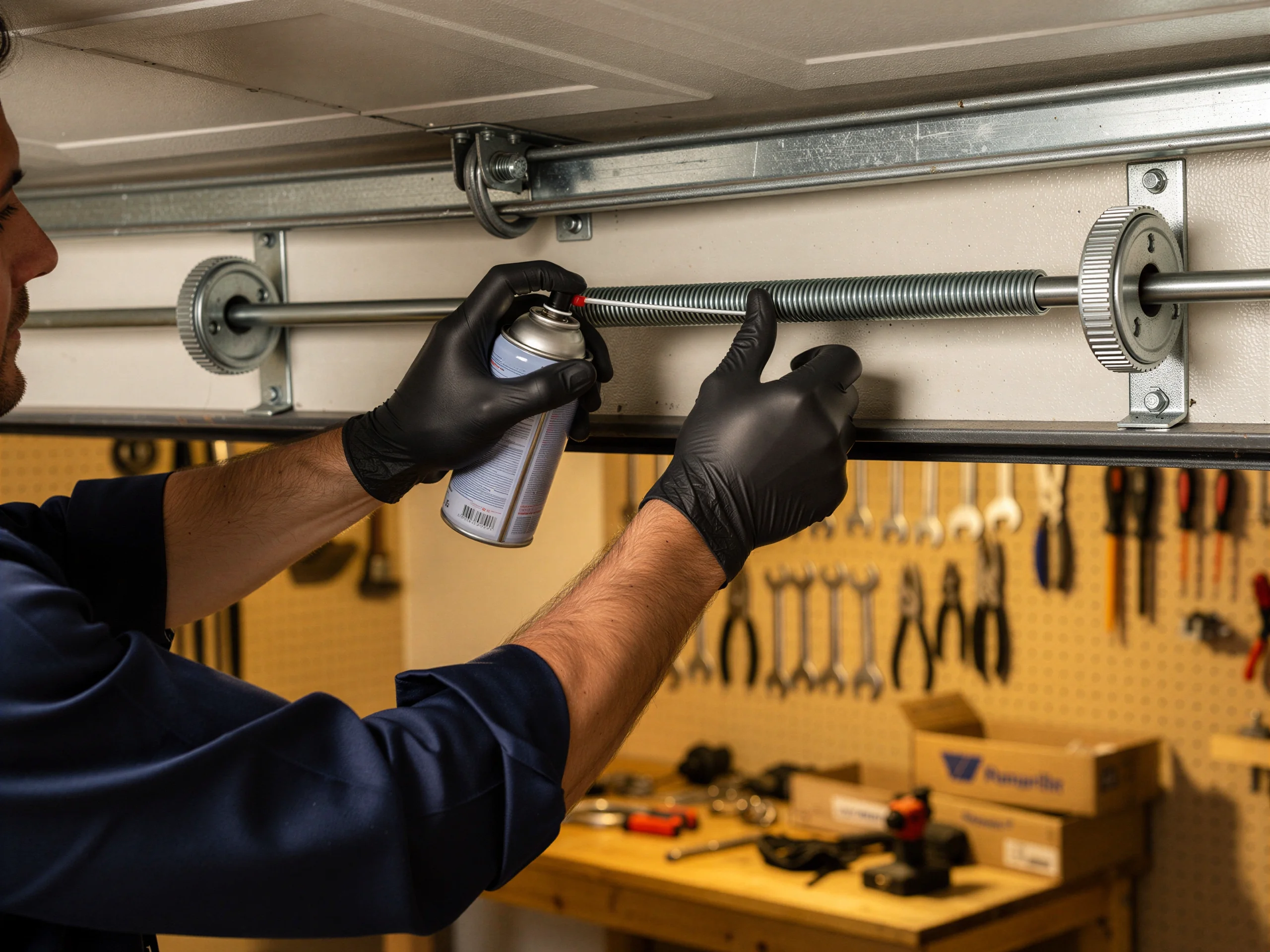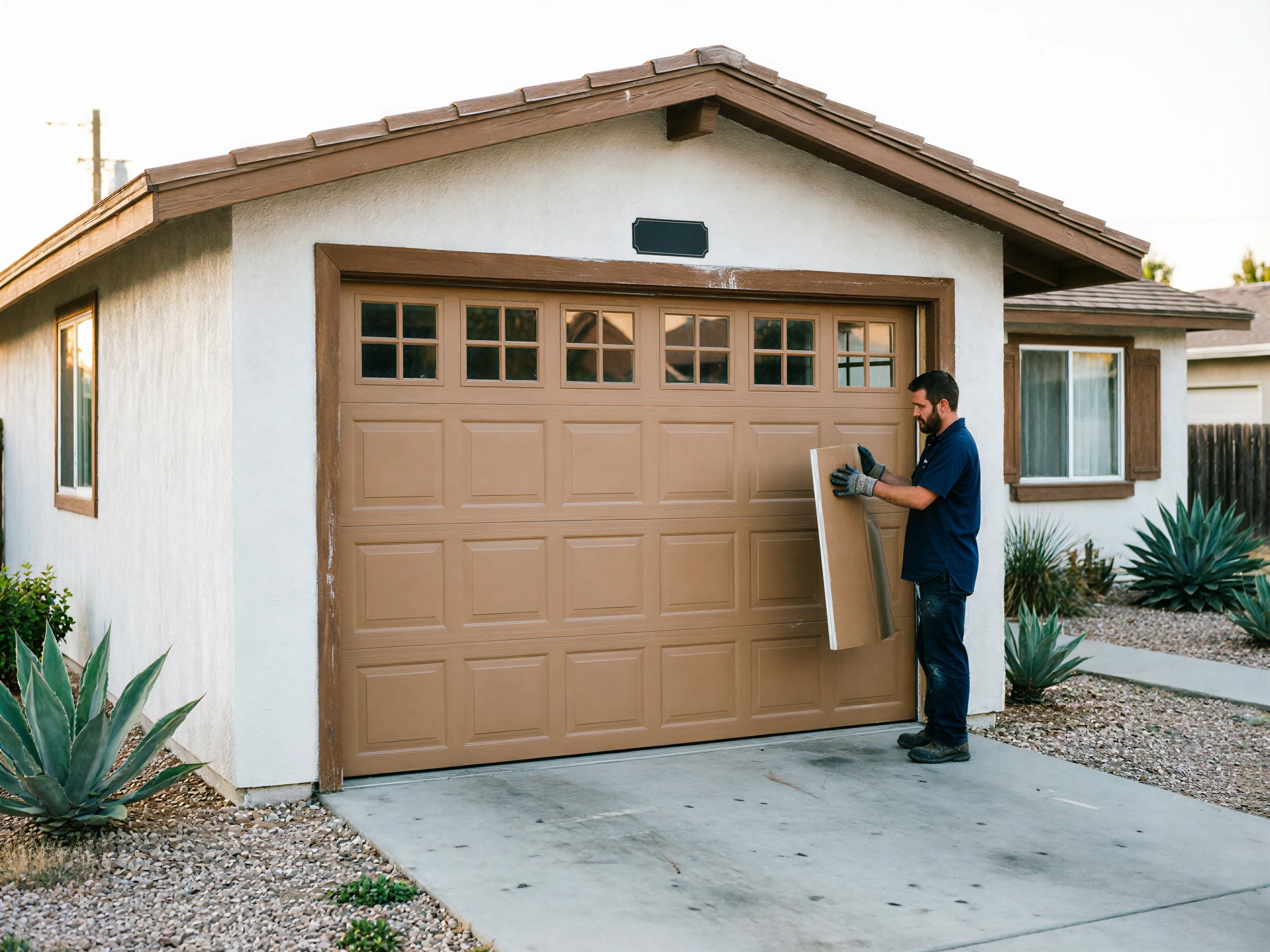
Why It Happens Here
Most of the housing stock in this part of the San Gabriel Valley went up between 1943 and 2012, with the bulk of it dating to the 1960s and 70s. That matters for rollers because a door built in that window almost always shipped with steel rollers riding directly in a galvanized track, no nylon bushing, no sealed bearing. Decades of use wear a groove into the roller stem and the track itself, and once that groove opens up you get play in every cycle of the door.
Heat is the other half of it. Azusa and the surrounding foothill communities sit in a moderate-heat climate band, and daily swings between a hot garage interior and a cooler morning cause the track brackets to expand and contract slightly year over year. On a door that's original to a house built in the 60s or 70s, that slow movement loosens the track bolts just enough that the rollers start riding off-center. Once a roller is off-center, it wears faster, and the cycle feeds itself. This isn't a defect in the door - it's forty-plus years of thermal cycling doing exactly what it does to steel and galvanized track in houses of this era.
The Symptom
The most common complaint we hear is a grinding or rattling sound as the door travels, usually worse near the top or bottom of the track where the curve puts more load on the roller.
Flat spot on roller
Some owners notice the door hesitating or jerking at one spot every single cycle - that's a flat spot worn into a steel roller, and it will be in the same place every time because the roller isn't rotating freely anymore.
Track shifted on bracket
A second version of this shows up as a door that looks like it's walking sideways in the track, or binding so the opener strains and reverses. That's usually a track that's shifted slightly on its bracket combined with rollers that have lost enough diameter that they no longer ride square.
Small job, big damage
Neither of these clears up on its own, and running the opener against a binding door is what turns a $20 roller job into a bent track or a stripped opener gear.
How to Book
Call or reach us through the site and tell us what you're hearing - grinding, jerking, a door that looks crooked in the track. That alone usually tells us whether we're looking at rollers, track alignment, or both. We work throughout Azusa and the close-in communities around it, including Duarte, Bradbury, Irwindale, Covina, Glendora, and Monrovia.
We bring a stock of steel and sealed-bearing nylon rollers on the truck for the sizes most common in homes from this era, so most roller jobs get done in a single visit. If your track or spring hardware turns out to be original and in worse shape than the rollers themselves, we'll tell you that on site before any work starts - no surprise invoice for parts you didn't ask about.
Can You Do This Yourself
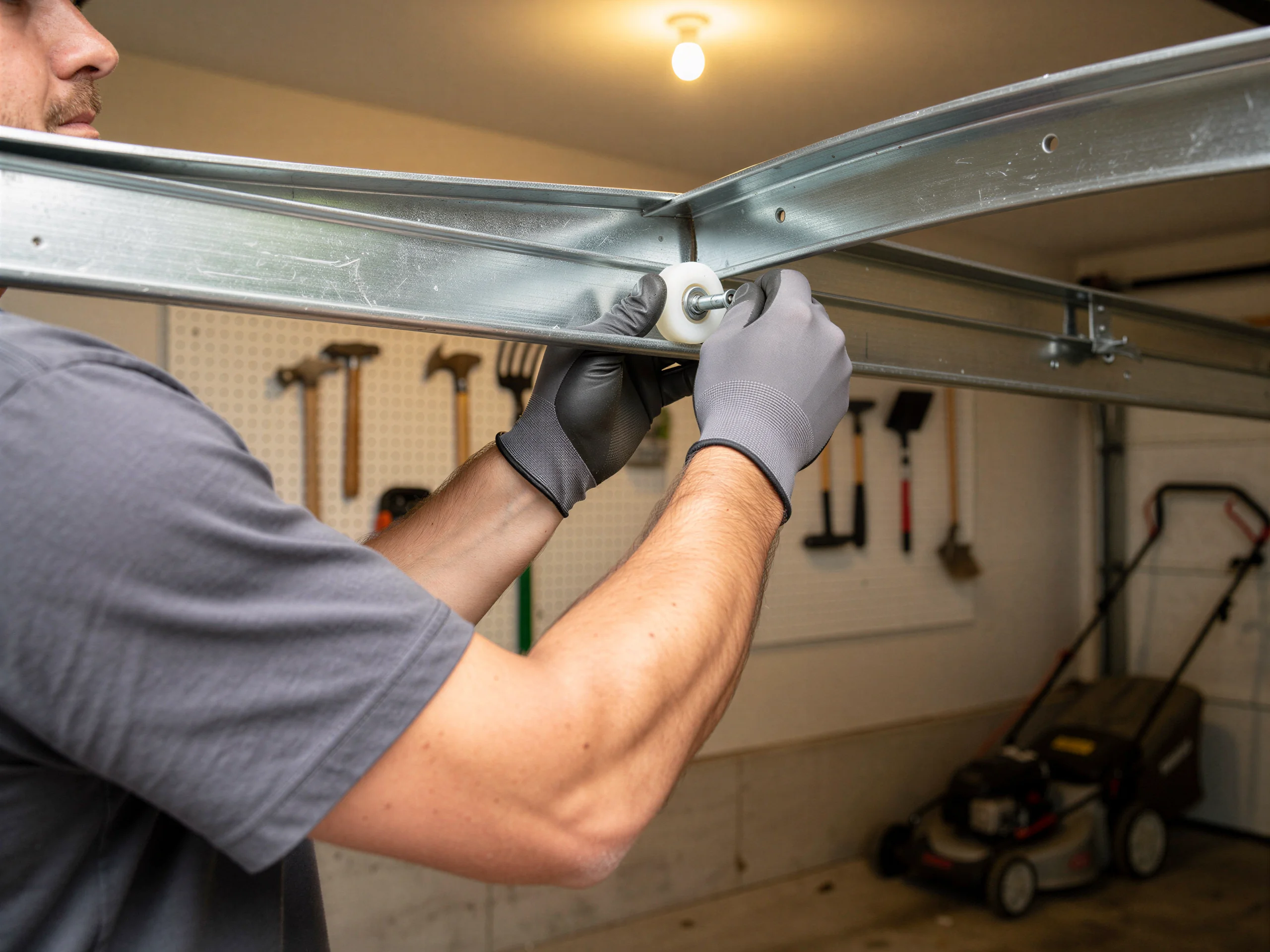
Replacing a roller on the bottom section of a door, with the door down and the opener disconnected, is within reach for a lot of homeowners who are comfortable with basic tools.
Top roller hazards
The rollers near the top of the track, close to the springs and cables under tension, are a different story - that's where a slipped roller or a dropped track section can put real force on your hands or face, and it's not worth the risk for the cost of the part.
Original track replacement
We'll also say plainly: if your rollers are original to a house built in the 1960s, the track they ride in is probably original too, and in a lot of cases the smarter move is replacing a section of track along with the rollers rather than fighting worn steel against new hardware.
Track must come out
We won't sell you a roller swap if the track underneath it needs to come out anyway - that's a worse fix dressed up as a cheaper one.
Talk to a local pro
Garage door service in Azusa?
Same-day service with honest, upfront quotes.