The Cost of This Job
Covina's median household income sits at $94,792, a bit under the $100,558 median for the wider area we cover out of Azusa. That gap matters when you're staring at a dead opener and trying to decide whether to fix it or replace it. Most homes here went up around 1964, which means a lot of original or first-replacement openers are chain-drive units old enough that a stripped gear or a burned-out circuit board costs close to what a new unit runs. At that point we tell people straight: replacing is usually the better use of money, not because we'd rather sell a new opener, but because sinking cash into a board nobody stocks anymore for a motor that's already 20-plus years old doesn't make sense for a household budget at this income level. If the motor's newer and the fix is a sensor or a sprocket, repair wins easily. We'll tell you which situation you're in before we touch anything.
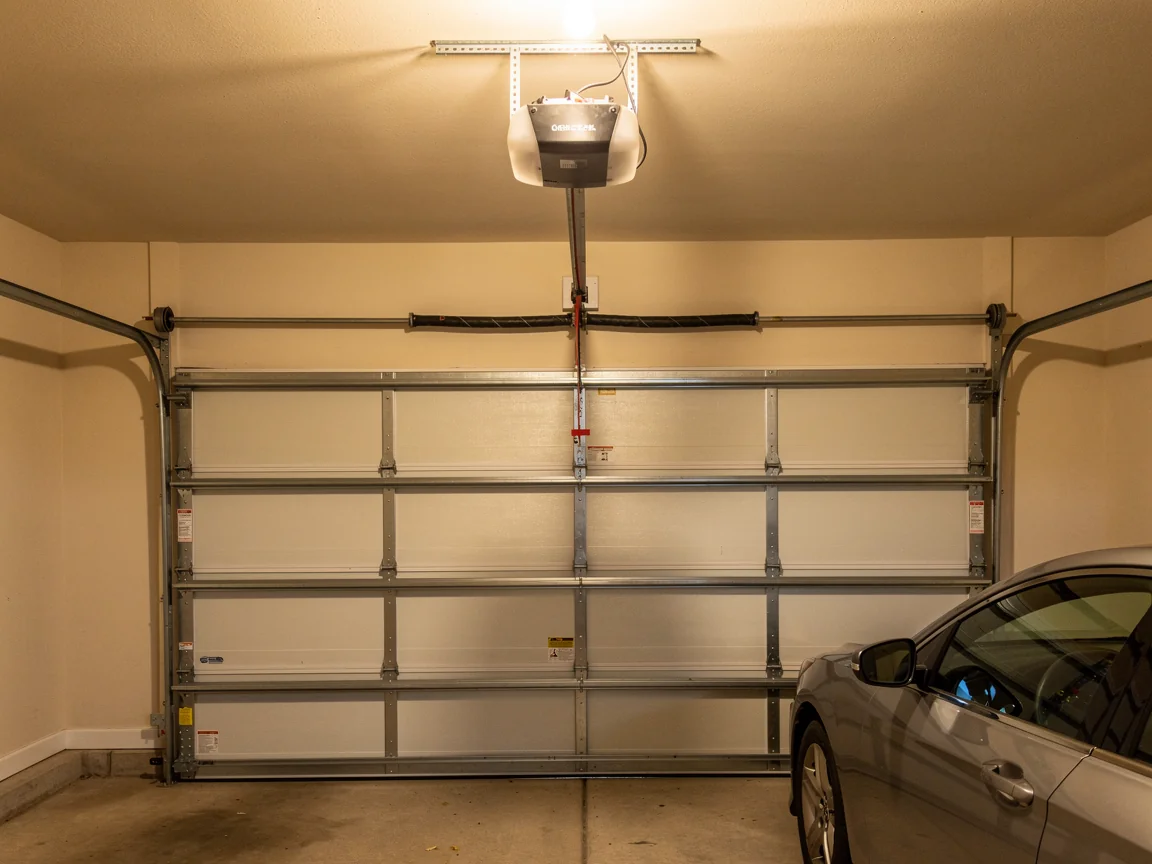
How Long It Takes
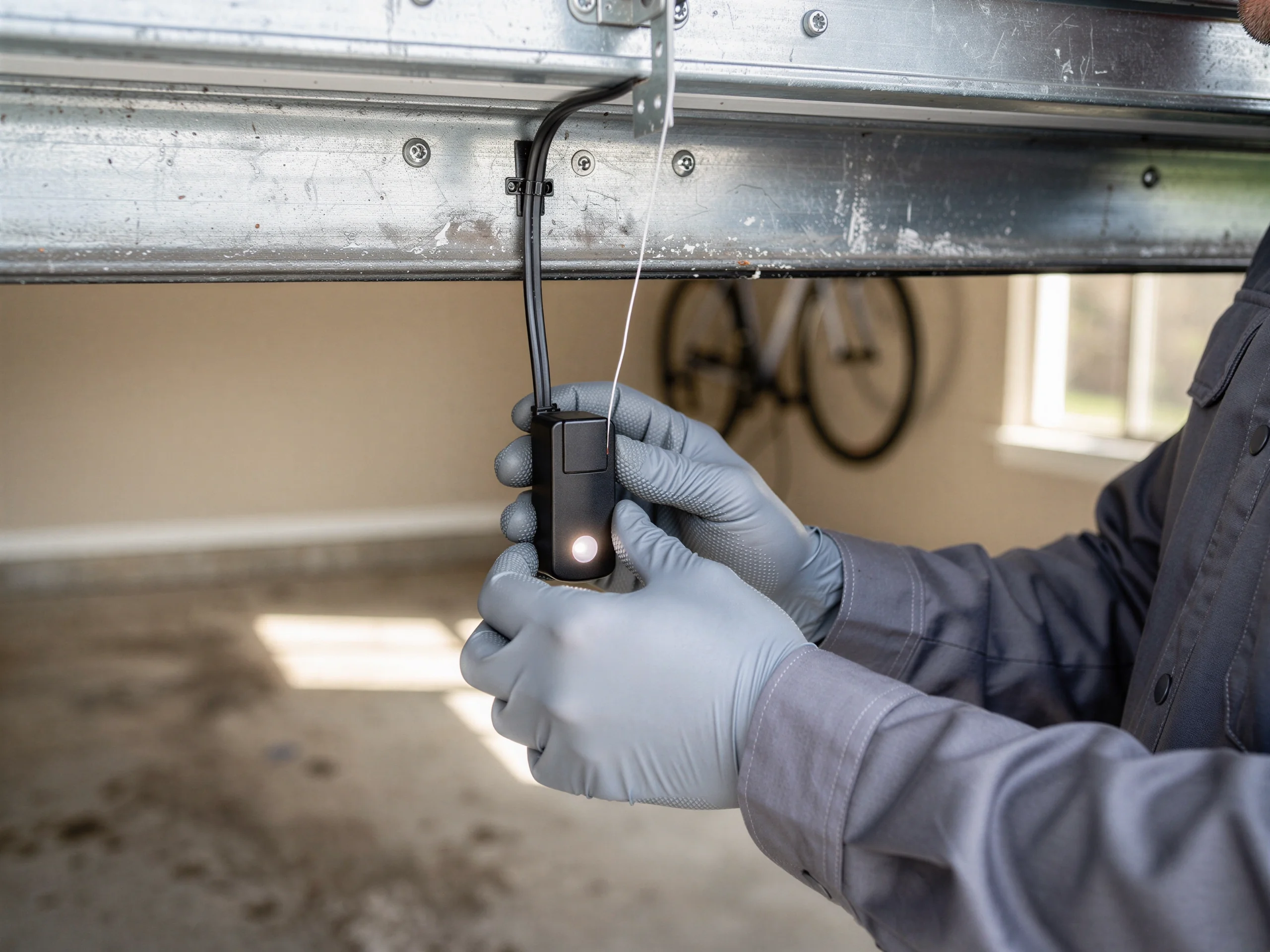
The honest answer depends on what's actually wrong, not on how far the truck has to drive. A dead safety sensor or a misaligned photo-eye is a short visit.
Drive gear diagnosis
A motor that's grinding because the drive gear has worn through takes longer, since we have to pull the unit apart to confirm it before quoting the fix.
Obsolete board wildcard
Circuit board failures are the wildcard - sometimes it's a simple logic board swap, sometimes the board controls functions tied to an opener model old enough that parts aren't made anymore, and that changes the whole job into a replacement conversation.
No guessed timelines
We don't pad the visit with extra diagnostics once we know what we're looking at, but we also won't guess at a timeline before we've opened the housing.
The Symptom
With most Covina houses dating to the early-to-mid 1960s, the opener complaints we hear tend to cluster: a motor that hums but doesn't move the door, a remote that used to work and now doesn't, or a door that reverses for no reason. On houses this old, the opener itself has often been replaced once already, sometime in the 80s or 90s, which puts a lot of units right at the age where logic boards start failing from heat cycling in an unconditioned garage. This area sits in a moderate heat climate band, and an attic-mounted opener board that bakes every summer for two or three decades is a textbook failure point - not from one bad day, but from accumulated heat stress. If your opener is original to a 60s build and still chain-drive, grinding or stalling is usually the gear set, not the motor itself.
Parts We Carry
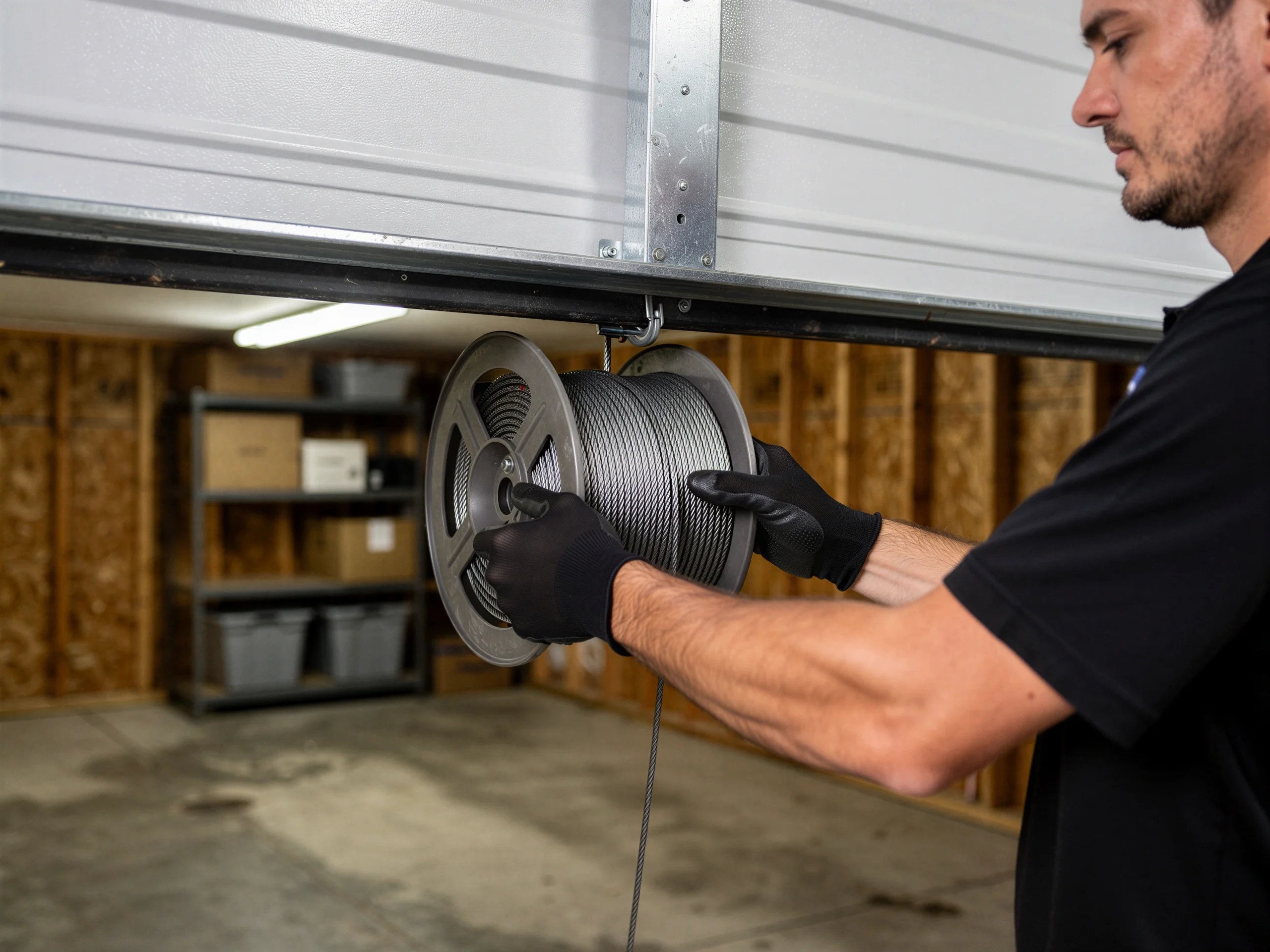
We stock the parts that fail most often on the opener ages we see in this part of the service area: drive gears and sprockets, safety sensor pairs, standard logic boards for common chain and belt-drive models, and remotes.
Not every board carried
What we don't carry on the truck is a board for every opener ever made - if your unit is old enough and obscure enough, we may need to order the part, and we'll tell you that up front rather than stringing out a visit.
Most jobs same visit
For most homes here, where the opener is either original-era or a reasonably common replacement, we carry what's needed to finish the job the same visit.
What the Repair Takes
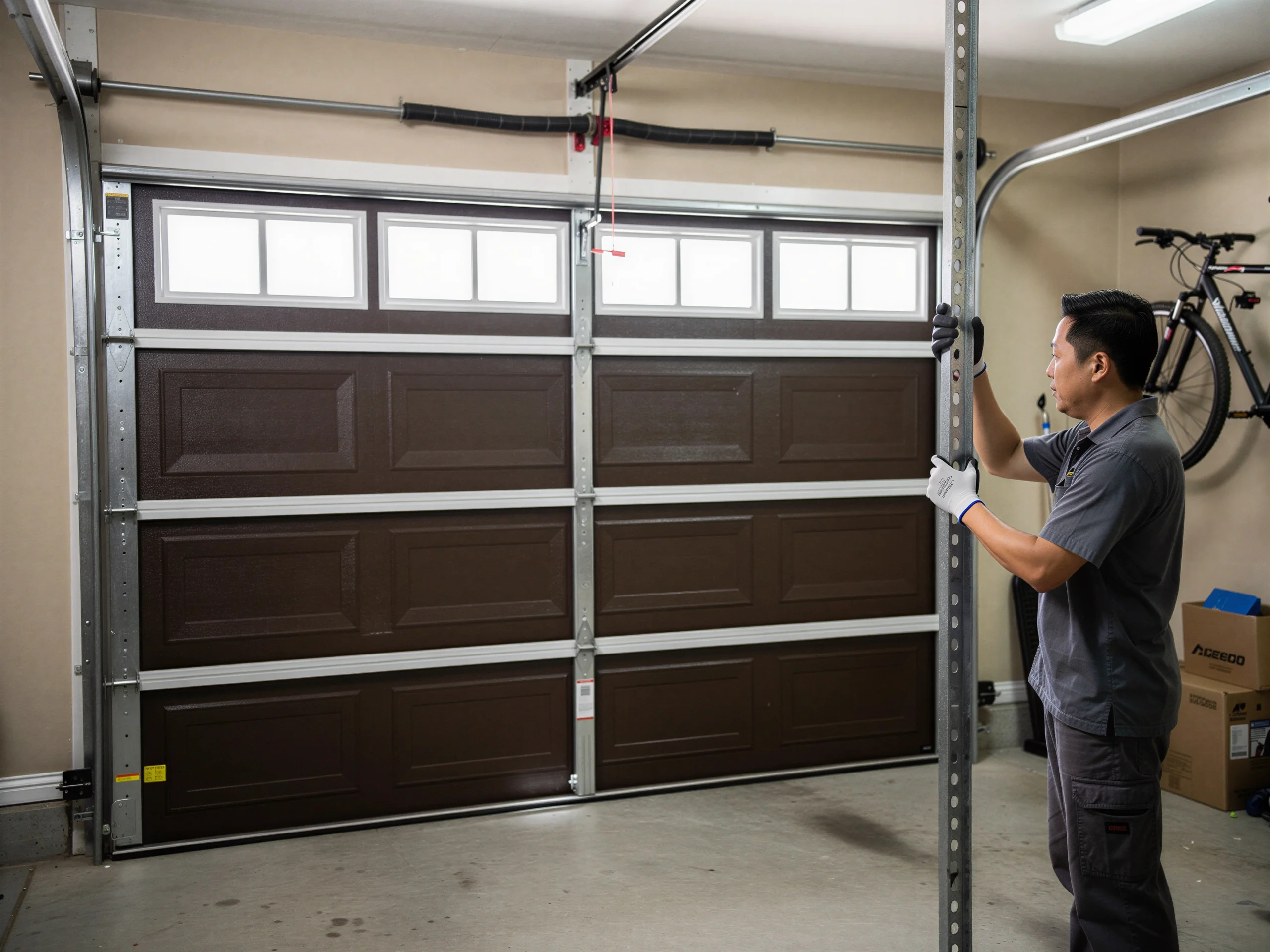
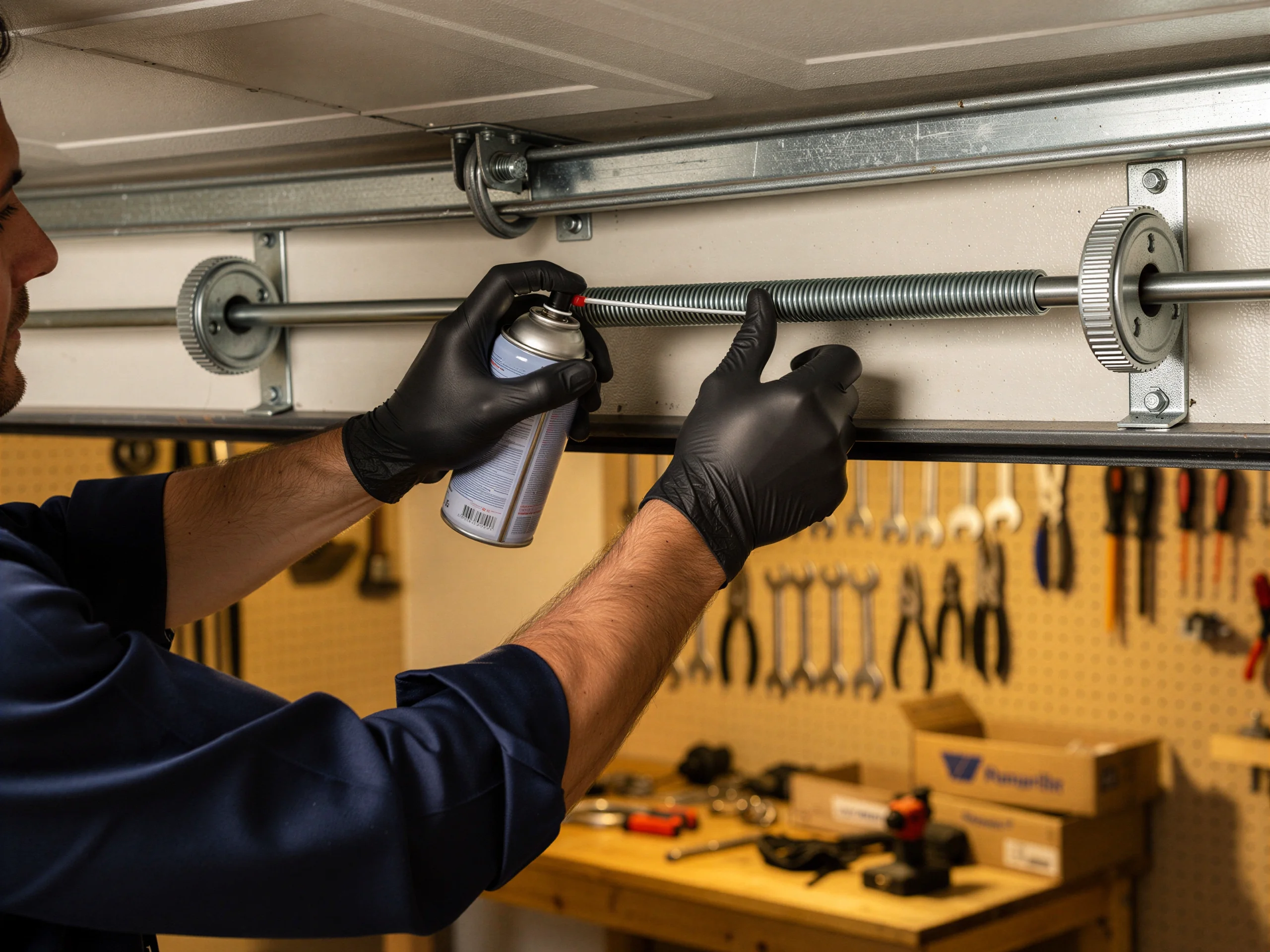
We start by running the opener through its full cycle - motor, sensors, remote signal, manual release - before we open anything up, because half the calls we get turn out to be a simple sensor alignment or a dead battery in the wall control, not a motor problem at all. If it is the motor or the board, we check whether the unit's age and model still have parts support before we quote a repair. On a house built in the early 60s with an opener that's never been swapped, that answer is often no, and we'll say so rather than bill for a repair that won't hold. Limitation worth knowing: we don't keep legacy boards for openers manufactured before the 90s in stock, so those jobs sometimes mean a short wait on a part or a straight conversion to a new unit.
Talk to a local pro
Garage door service in Azusa?
Same-day service with honest, upfront quotes.