The Cost of This Job
Covina's houses run a median build year of 1964, a couple years past the 1962 median for the wider service area we cover out of Azusa.
Steel rollers, plain tracks
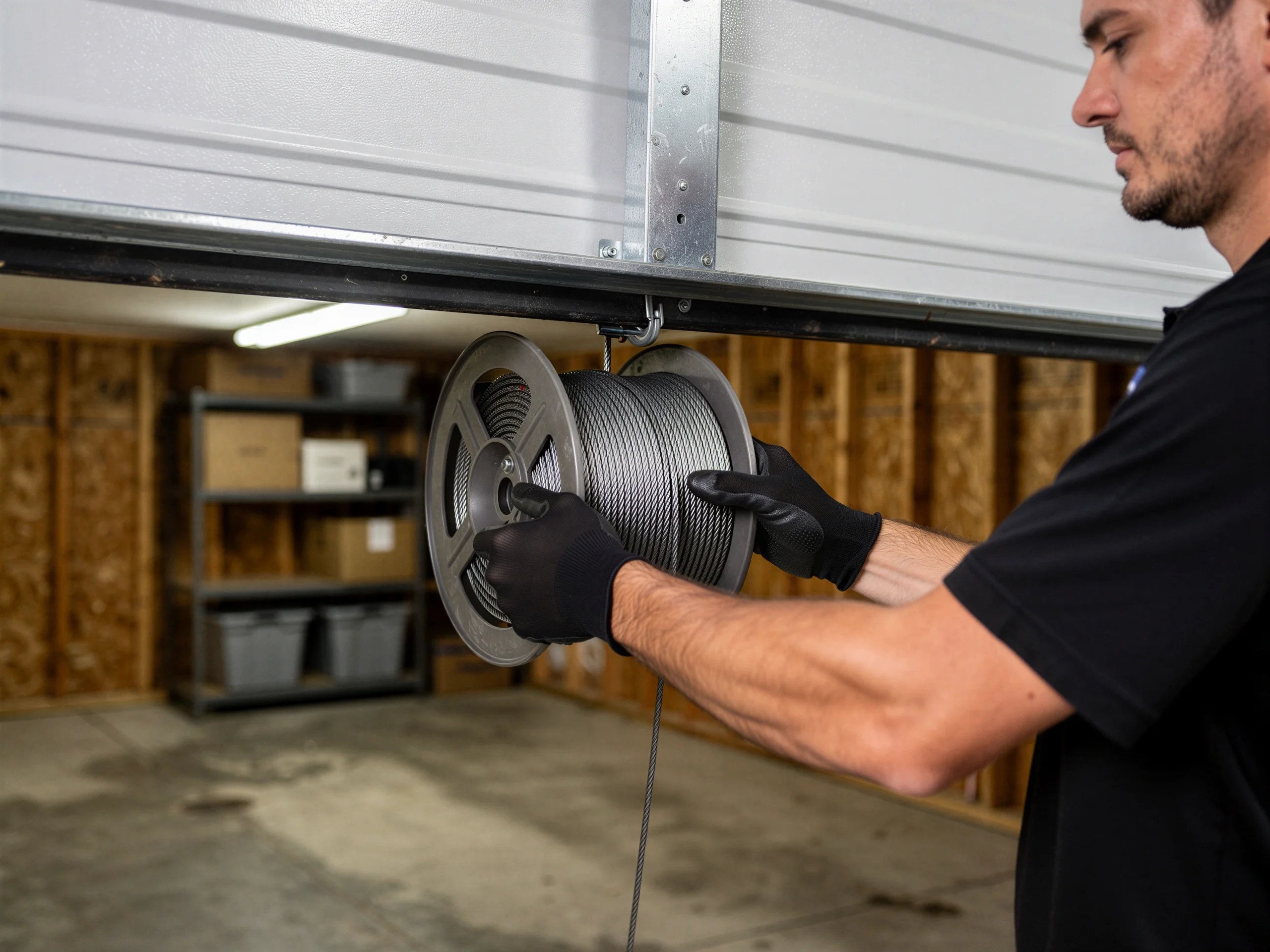
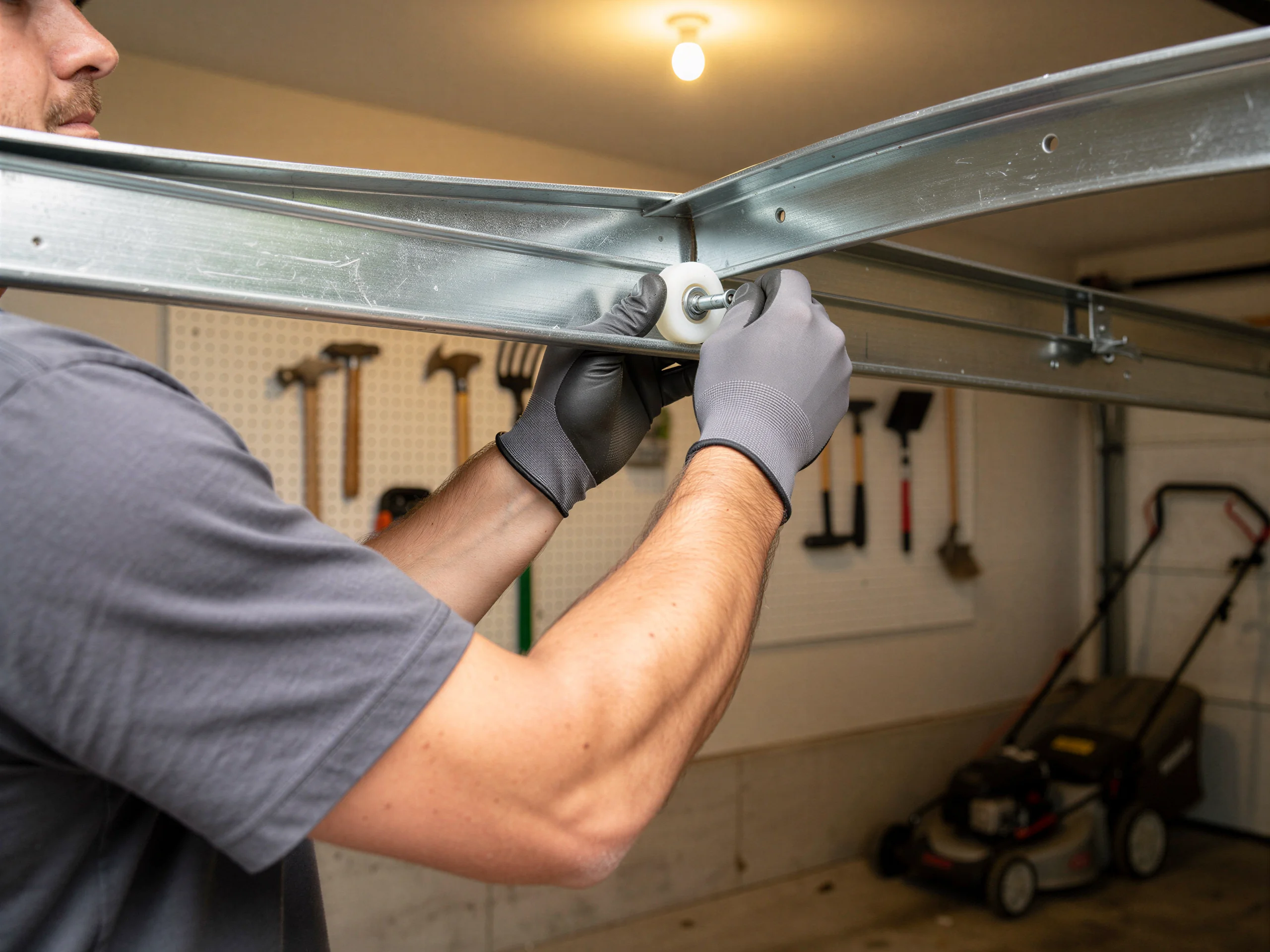
That small gap matters more than it sounds. Doors from the earlier wave of construction often still carry steel rollers on plain steel tracks, no ball bearings, no nylon wheel. Covina's stock leans just late enough that you'll find both: some original steel rollers that have never been touched, and some doors already upgraded once by a prior owner to nylon.
Worn hinge ovals
What drives the cost isn't the roller itself - it's what's attached to it. If the track is bent or the roller stem has worn the hole in the hinge oval, you're replacing hinges too, not just rollers. On a door this age, we also check the bottom bracket, since that's where the heaviest wear shows up first.
Onsite scope for rollers
We don't price jobs sight unseen, but we'll tell you on site whether you're looking at a straightforward 10-roller swap or something that needs hinge and bracket work alongside it. One honest limit: if the track itself is rusted through or badly dented, roller replacement alone won't fix the noise or binding. At that point you're into track replacement, which is a different job.
How Long It Takes
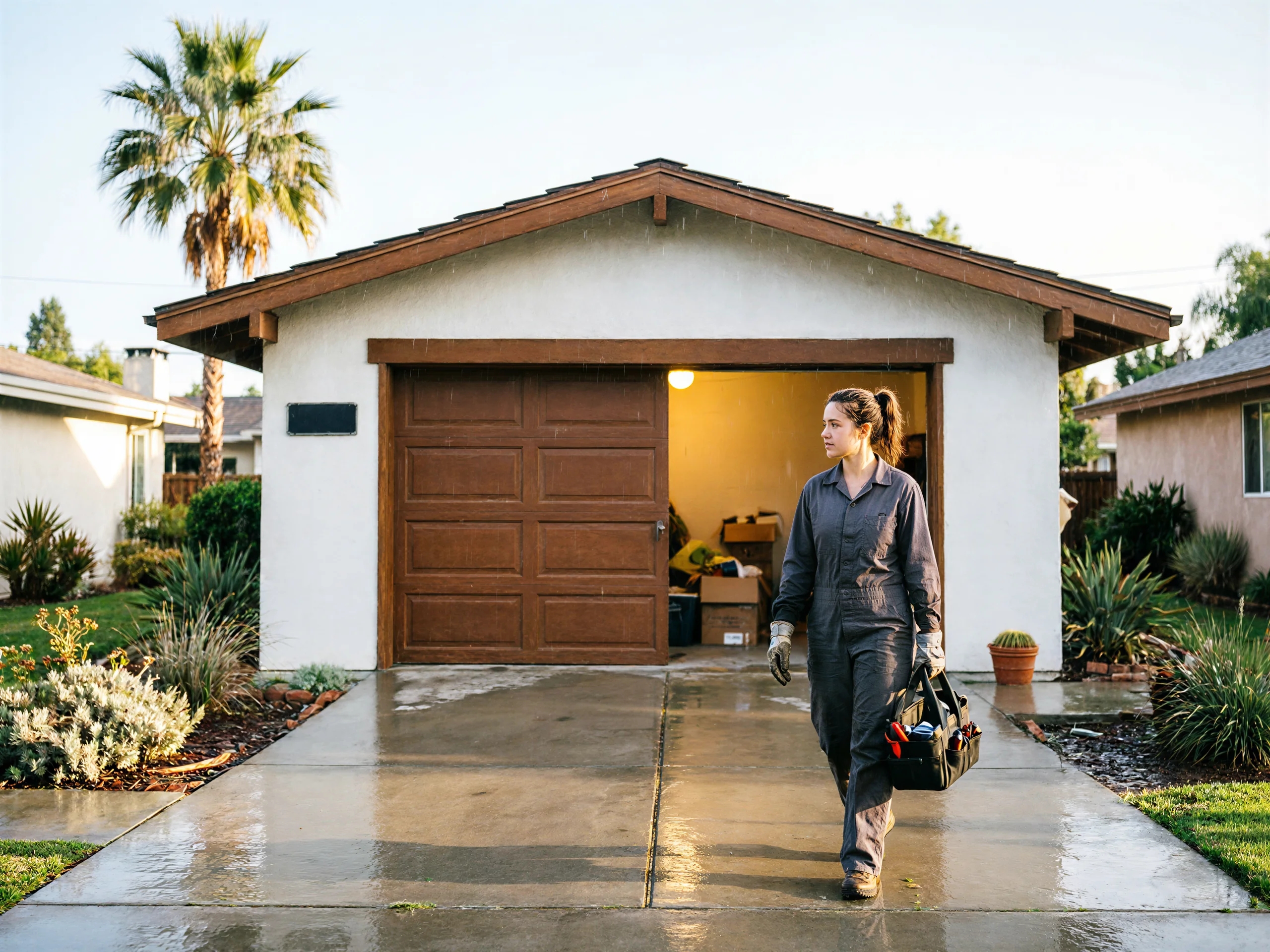
A standard roller replacement on a single door, no hinge or track damage, is a same-visit job once we're on site - we're coming from Azusa, about 4 miles out, so travel isn't the bottleneck, the door is.
Tension release before rollers
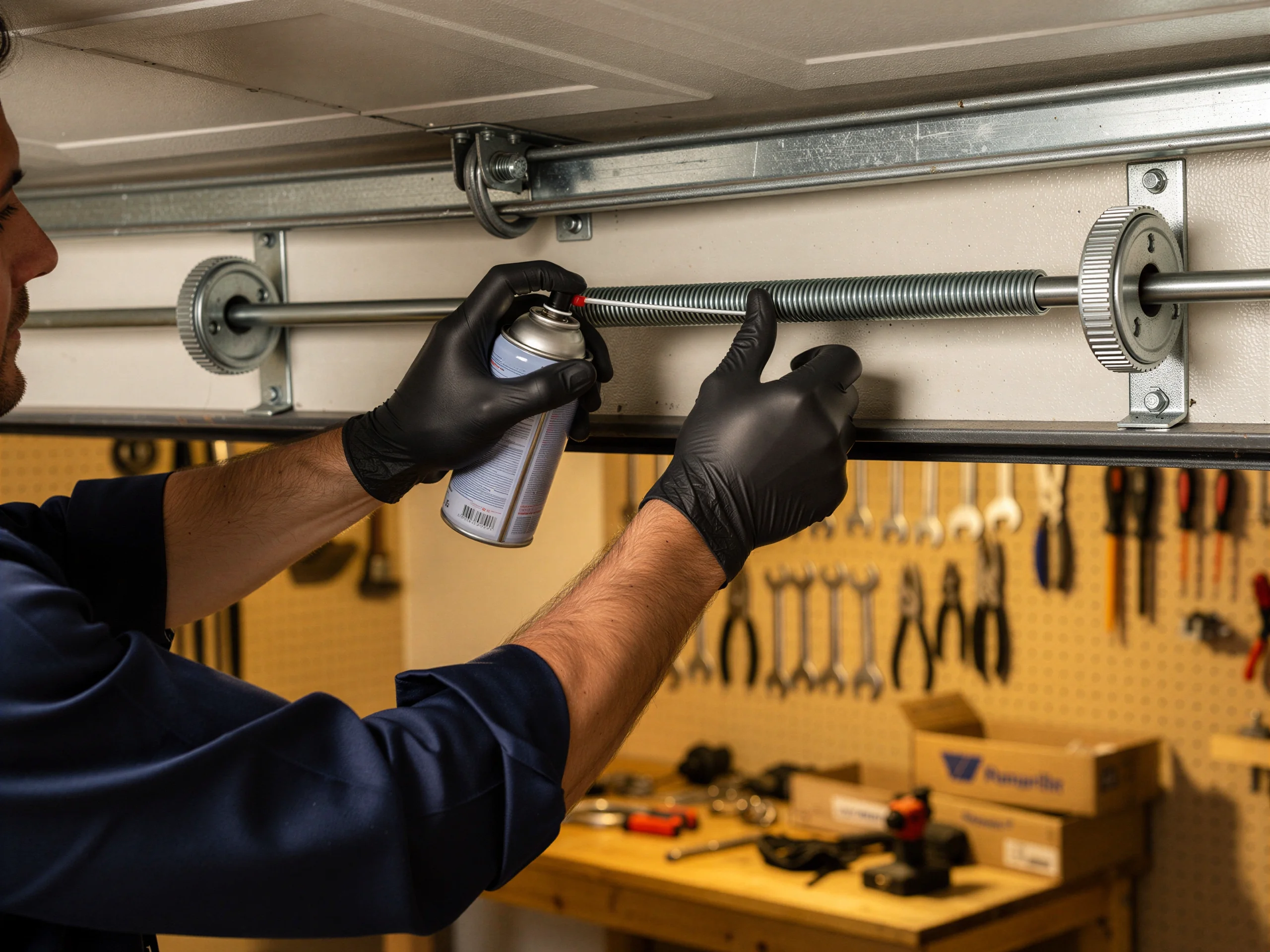
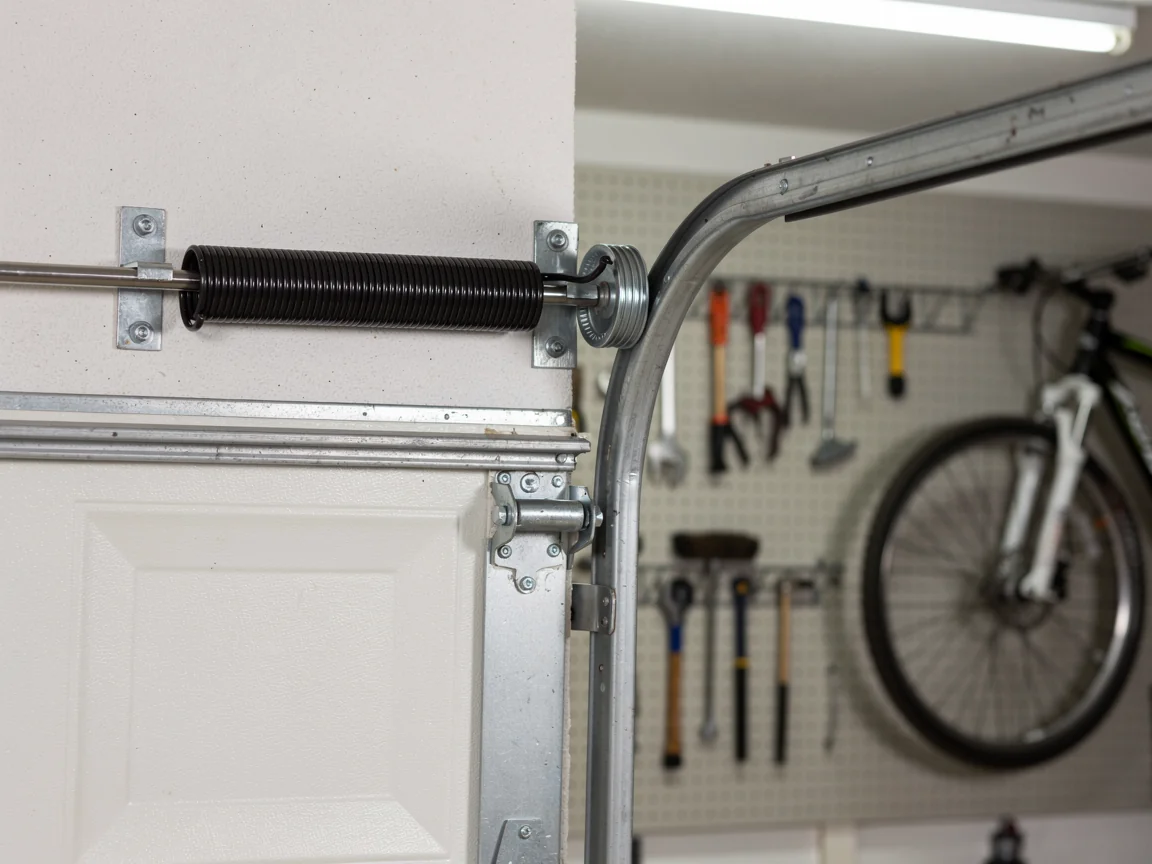
Covina's 1960s-era doors usually run on torsion or extension spring setups depending on when the opener or door itself was last swapped, and that affects how carefully we have to release tension before pulling rollers.
Fabricating hinge fits
If we find a bent track or a hinge that's egged out from decades of steel-on-steel wear, the visit runs longer because we're sourcing or fabricating a hinge fit, not just dropping in a roller.
Oval hinge wait times
We carry common sizes on the truck; less common oval hinges from older doors sometimes mean a short wait on a part. We won't rush a tension release on an old extension-spring setup just to hit a time estimate. That's how fingers get hurt and brackets get bent worse.
The Symptom
The complaint we hear most from Covina calls is grinding or a loud rattle every time the door travels, especially near the top of the track where the curve starts.
Worn roller bearing surface
On a house built in the 1964 median window, that's almost always the original steel roller losing its bearing surface - decades of travel wear the roller stem and the track lip both, and the two start fighting each other on every open and close.
Seized rollers dragging
A second common symptom is the door hesitating or jumping slightly partway through its travel, which usually means one or two rollers have seized and are dragging rather than rolling. On these older doors the rollers were never meant to be lifetime parts - steel-on-steel wears, and forty-plus years is well past its working life.
Rollers, not motor
What it isn't, most of the time: a bad opener. People often call about the opener motor working harder than it should, but on a door this age the rollers and track are usually the real cause, and swapping the opener first just hides the noise instead of fixing it.
Parts We Carry
For Covina's housing stock we carry both 2-inch and the shorter stem rollers common on the mid-1960s builds, in nylon with sealed ball bearings as the standard replacement - quieter and longer-lived than the steel originals, and they don't need the periodic lubrication steel rollers demand. We also stock the standard oval hinges that mate to these older tracks, since a worn hinge is as often the real culprit as the roller itself.
We don't stock every oddball stem length or the occasional custom hinge from a door that's been rebuilt piecemeal over the decades - those get sourced, not improvised. If your door has already been converted to a newer track profile from a past repair, we'll match rollers to what's actually installed rather than assume the 1960s original spec still applies.
What the Repair Takes
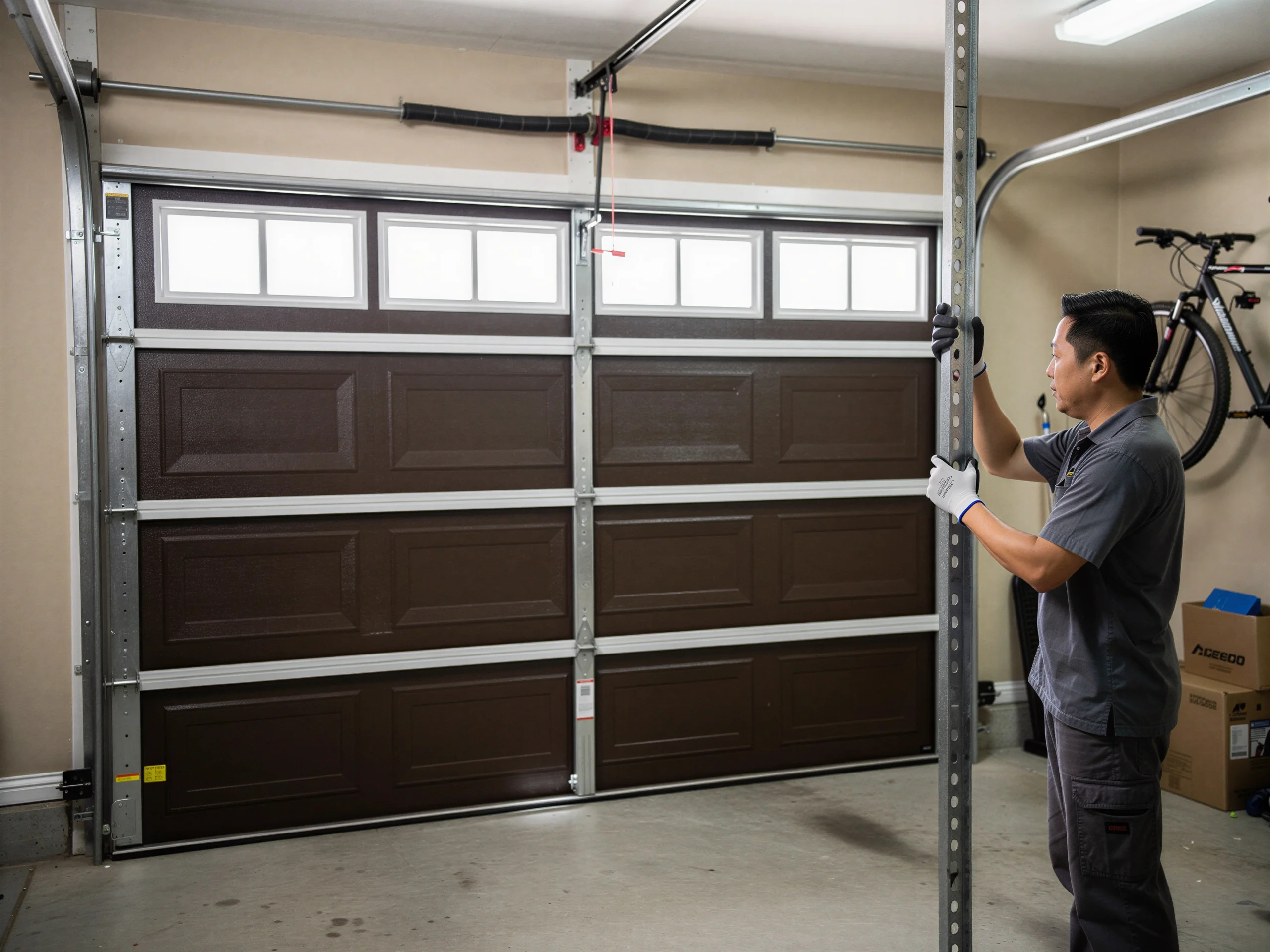
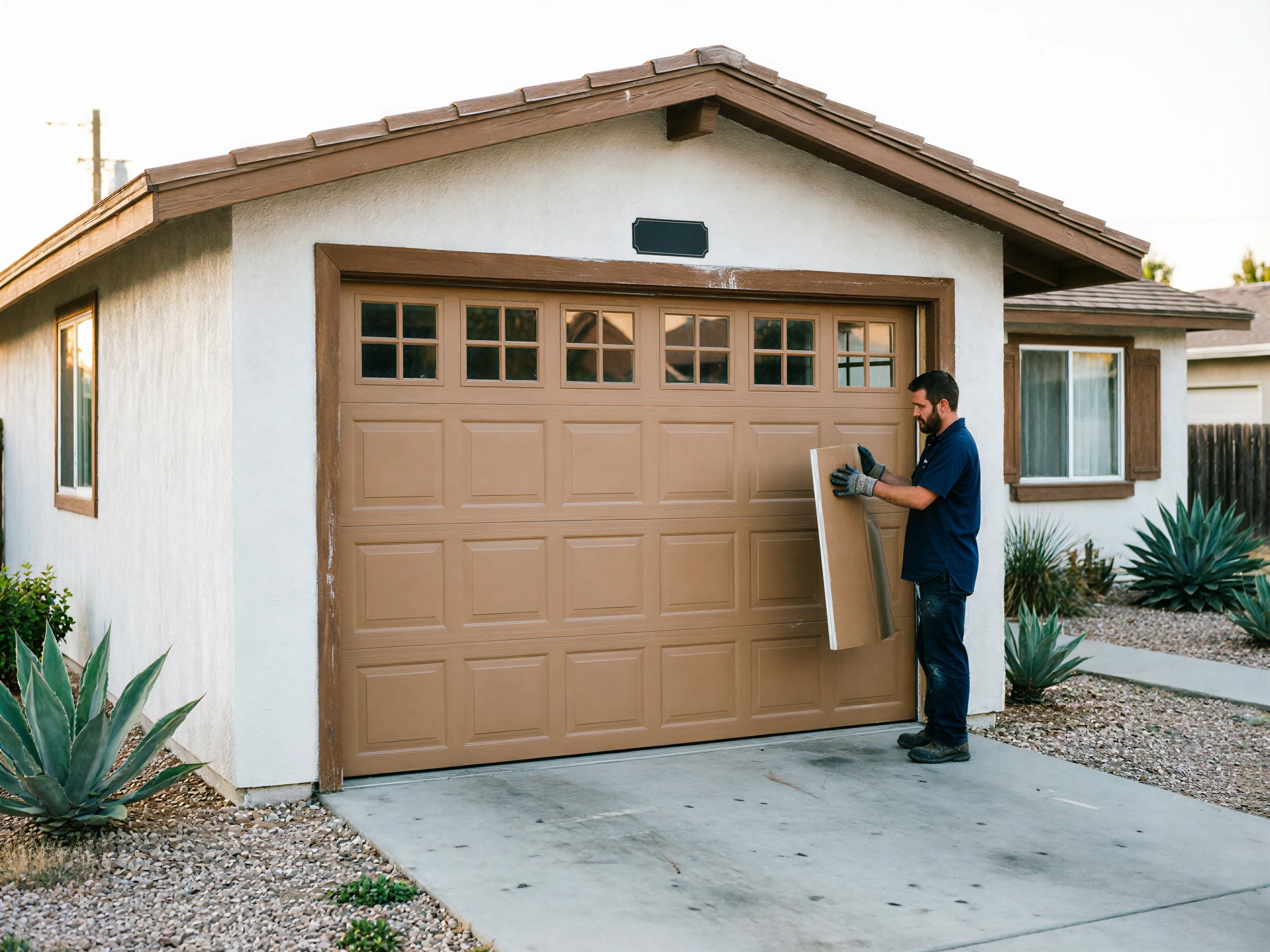
The job itself: release spring tension, pull the door panel by panel if needed to access each roller, check every hinge and bracket as we go rather than just swapping the rollers that are visibly bad, then re-hang and run the door through a full cycle to check travel and noise. On a 1964-era door with original hardware, we typically find at least a couple of hinges that need replacing alongside the rollers - the stem wear and hinge wear tend to happen together.
We test the balance before we leave. A roller job doesn't fix a door that's out of spring balance, and on houses this age the springs are often original too. If the door feels heavy or won't hold position partway up, that's a separate conversation from roller wear, and we'll flag it rather than let it ride.
Talk to a local pro
Garage door service in Azusa?
Same-day service with honest, upfront quotes.