What the Repair Takes
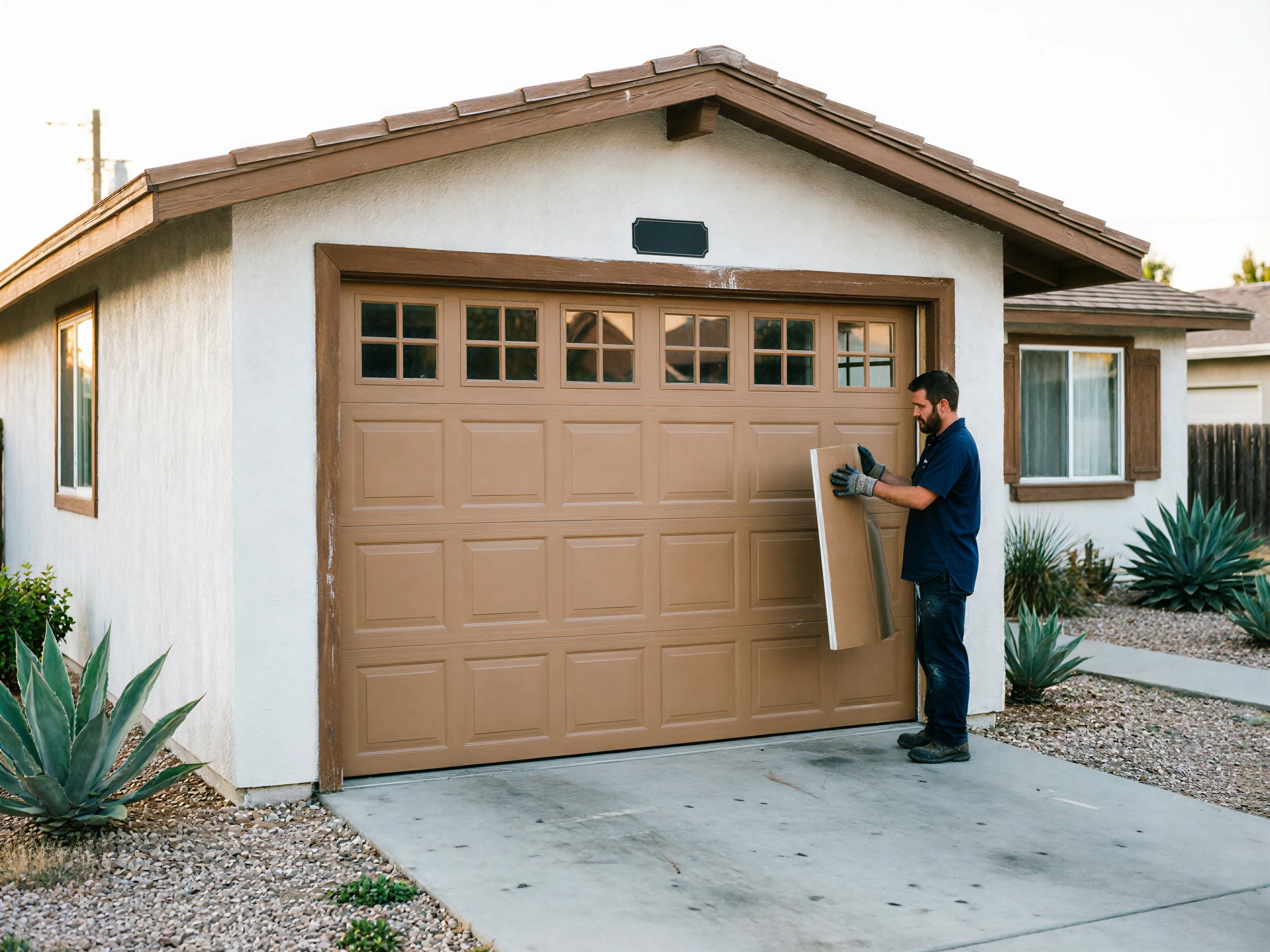
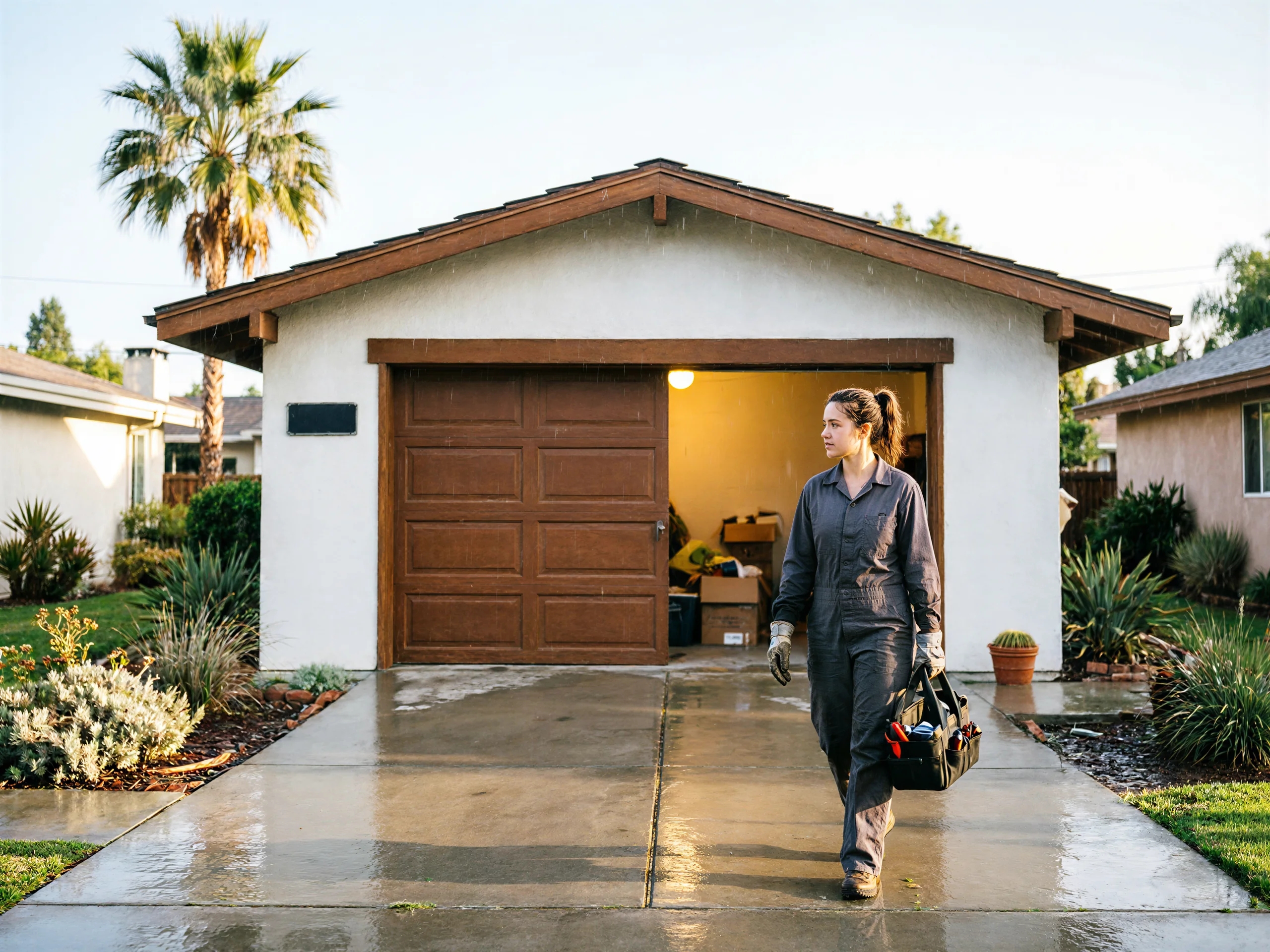
Monrovia sits four miles from our Azusa shop, a run we make without crossing into unfamiliar territory - it's close enough that a same-day call doesn't turn into a half-day drive.
Initial assessment time
That matters on an emergency call because the first twenty minutes are often spent just getting eyes on the door, not fixing it. Once we're there, what we find tends to match the age of the house. Housing in this service area runs from 1943 to 2012 with a median build year of 1962, and Monrovia's own housing stock lands right on that median.
Stock era-matched parts
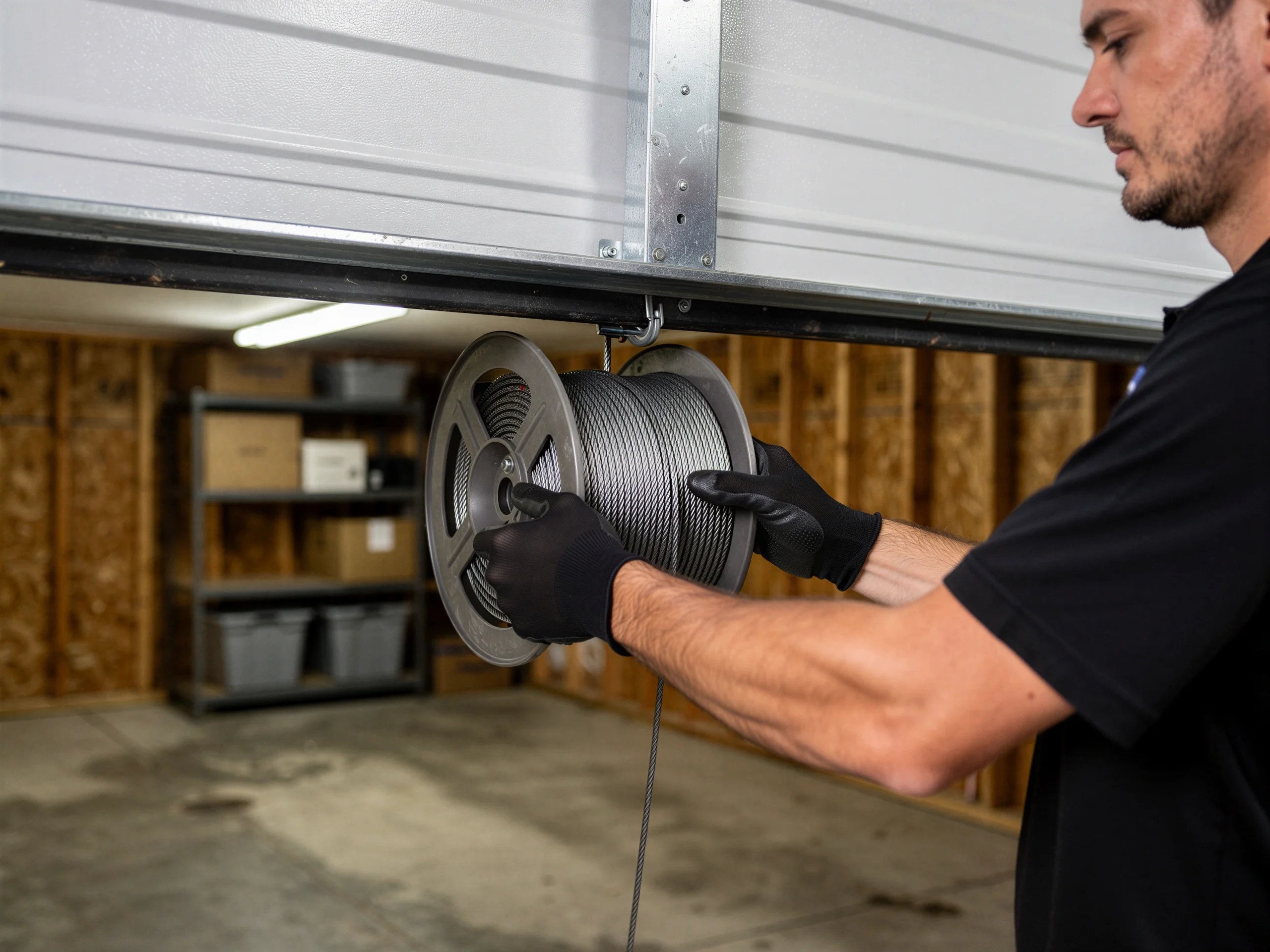
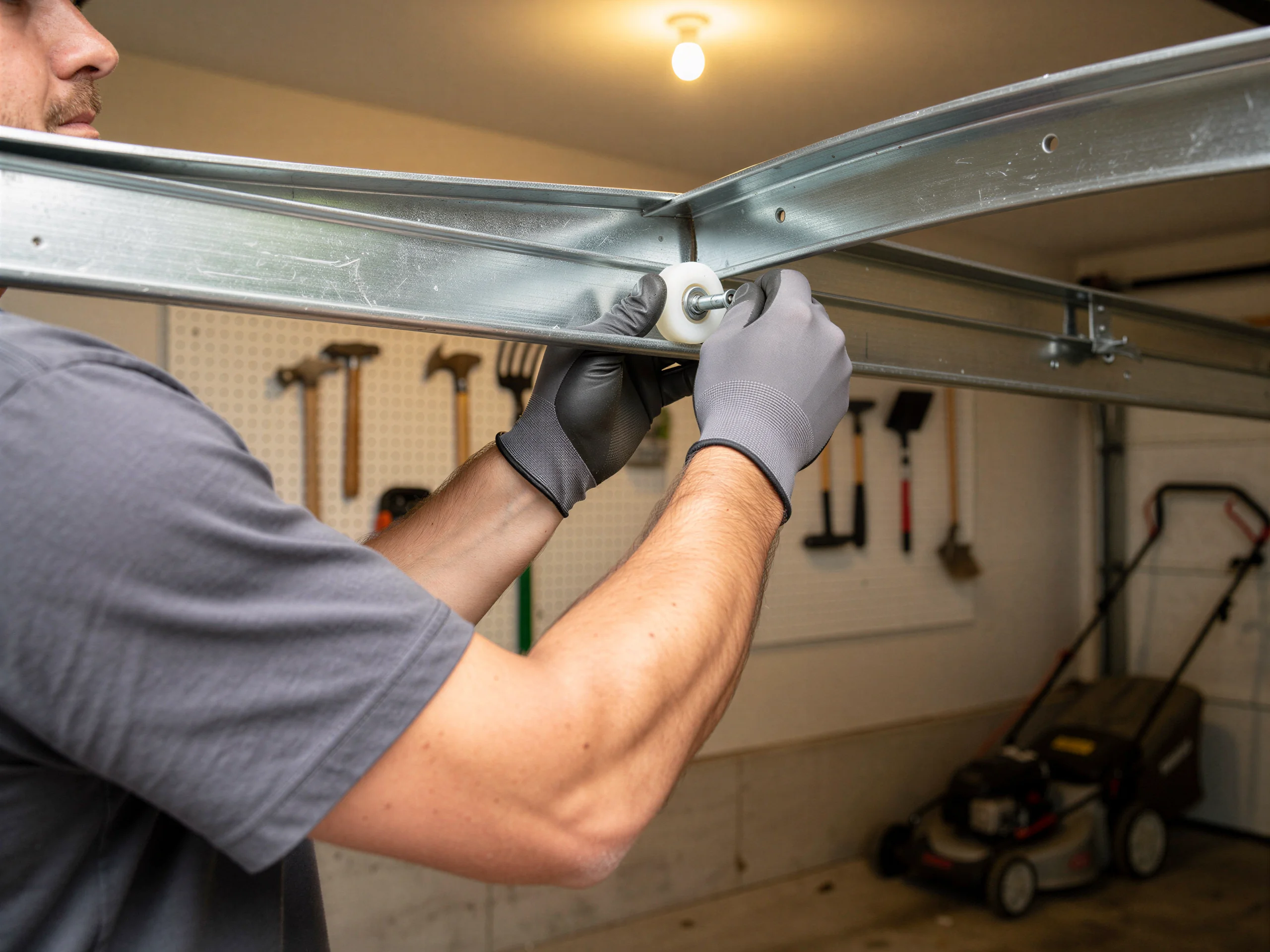
A door built or replaced around then is usually on torsion hardware that's been serviced once, maybe twice, in sixty years. We bring stock springs, cables, and rollers sized for that era of track and drum, because showing up without them means a second trip.
Sourcing discontinued parts
The limitation worth saying up front: if the opener or the door itself is original to a 1962 build and a part has been discontinued, we can source it, but that's not a same-visit fix - we'll tell you that on the phone, not after we've already opened the panel.
What Can Go Wrong
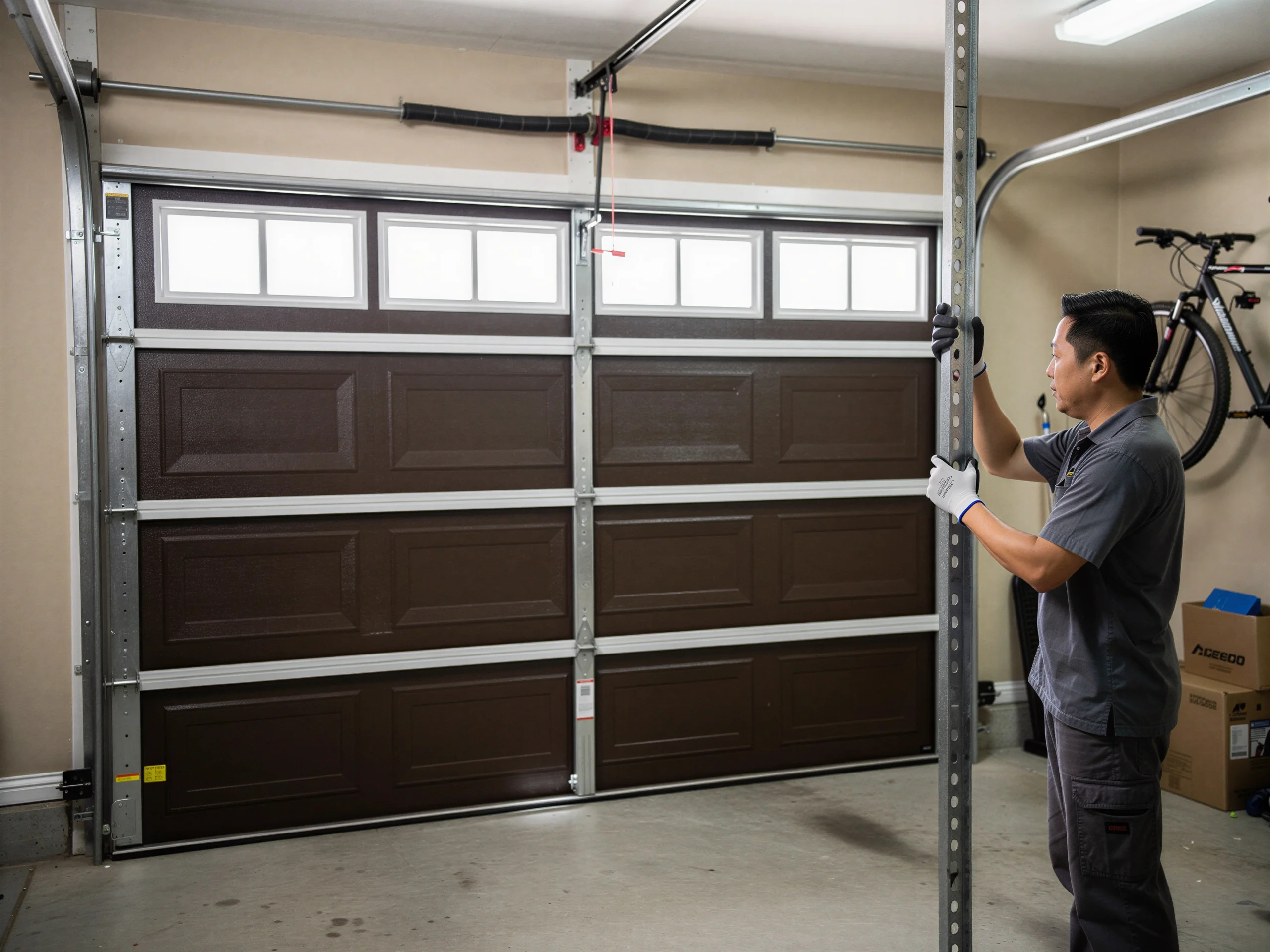
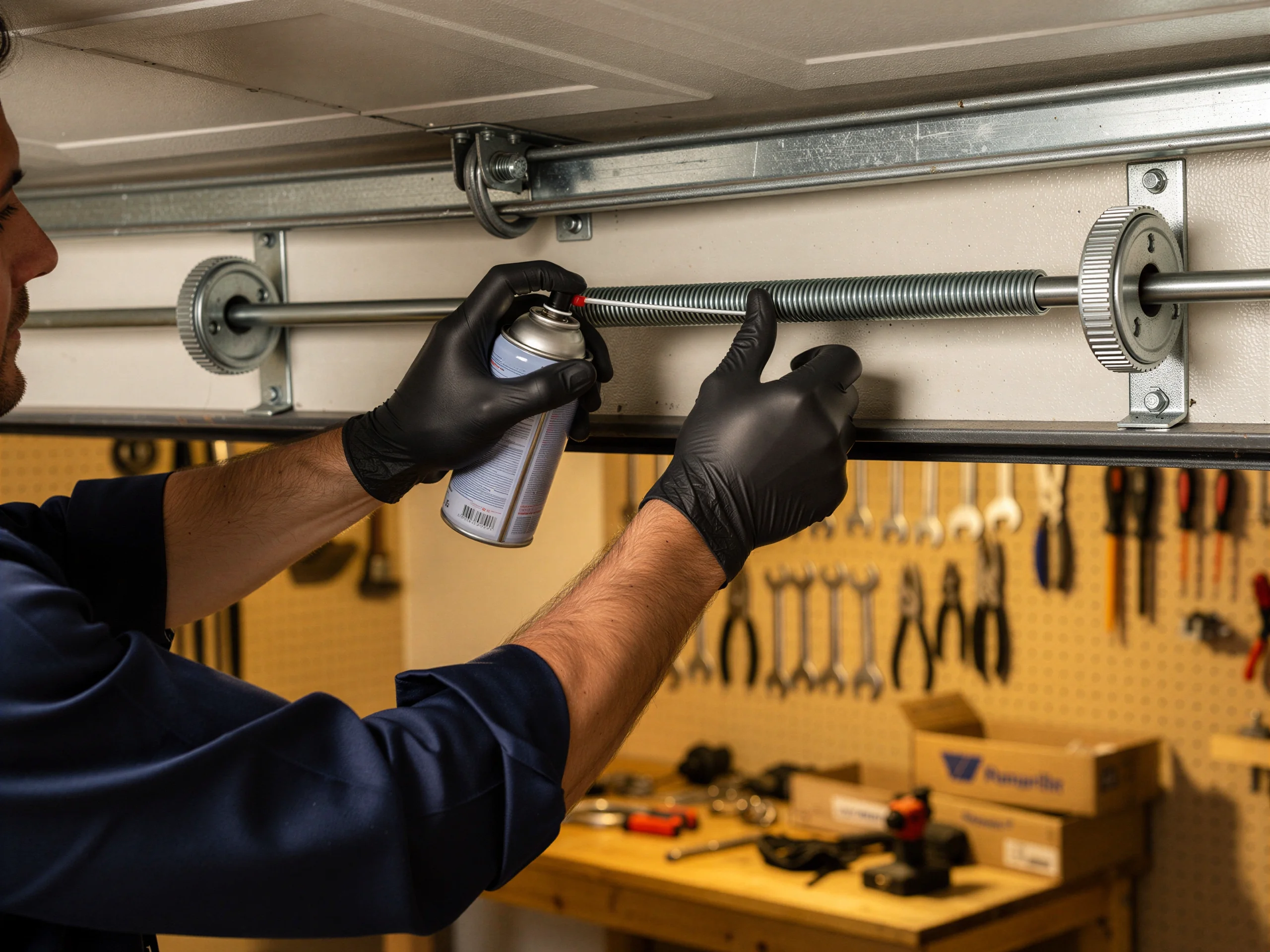
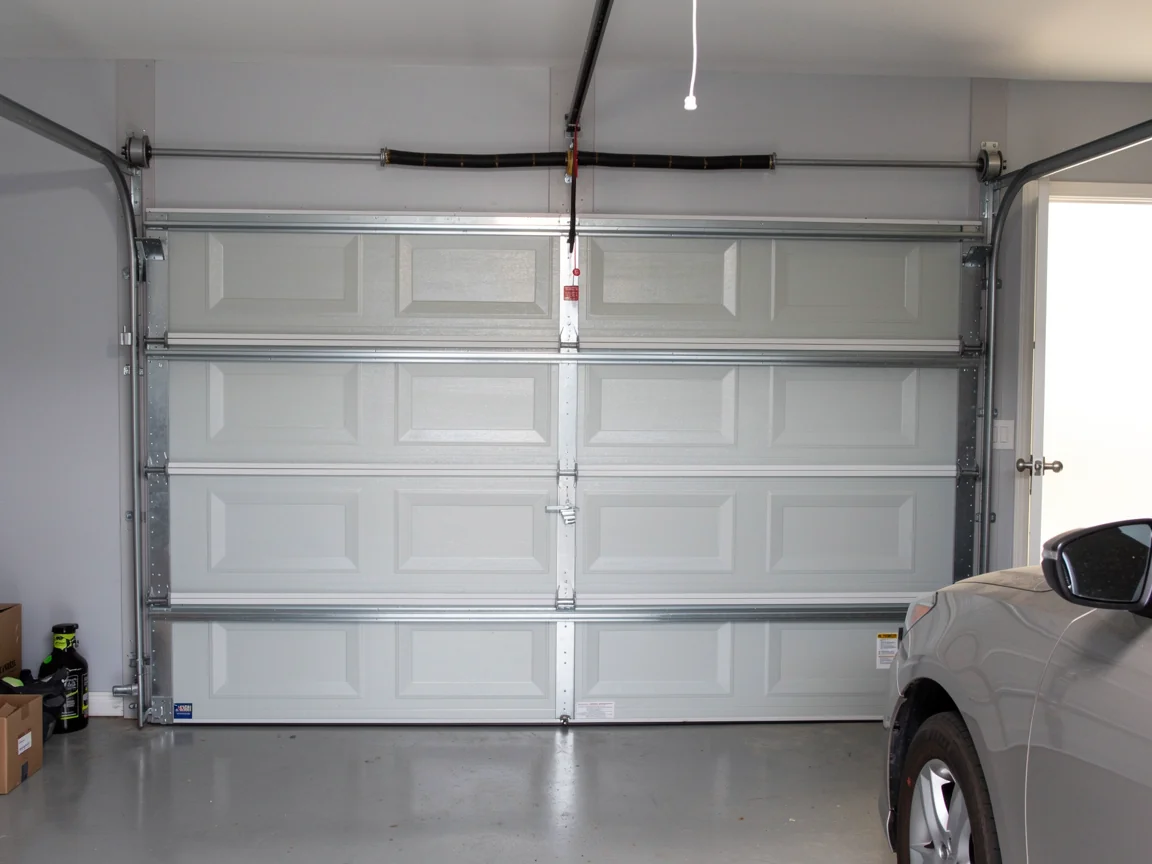
The failures we see on this side of the service area track the building stock, which is mostly 1960s-70s construction. Torsion springs on doors from that period are usually the original gauge or a prior replacement that was never upsized for a heavier insulated panel added later - so the spring snaps under a load it wasn't wound for. Cables fray at the drum on the same schedule. Galvanized hardware from that decade also wasn't built for repeated cycling in sustained heat, and this area sits in a moderate-heat climate band, which means steel fatigues a little faster here than it would somewhere milder. Openers are the other common failure: a chain-drive unit installed decades after the door itself, bolted to framing that was never meant to carry it, shaking loose at the header bracket. None of this is exotic. It's the predictable wear pattern of a 1962-median house that's had one or two owners and one or two garage projects since.
The Symptom
Most emergency calls here start the same way: the door won't move, or it moved halfway and stopped.
Spring break signs
If the spring went, you'll usually hear it - a bang loud enough that people check the street. The door will feel immovable by hand, heavier than it has any right to be, because the spring was doing most of the lifting. If instead the door is stuck on the track with the opener straining, that's often a roller or a bent track section, not the spring, and forcing the opener to keep trying just burns out the motor.
Reversing as sensor sign
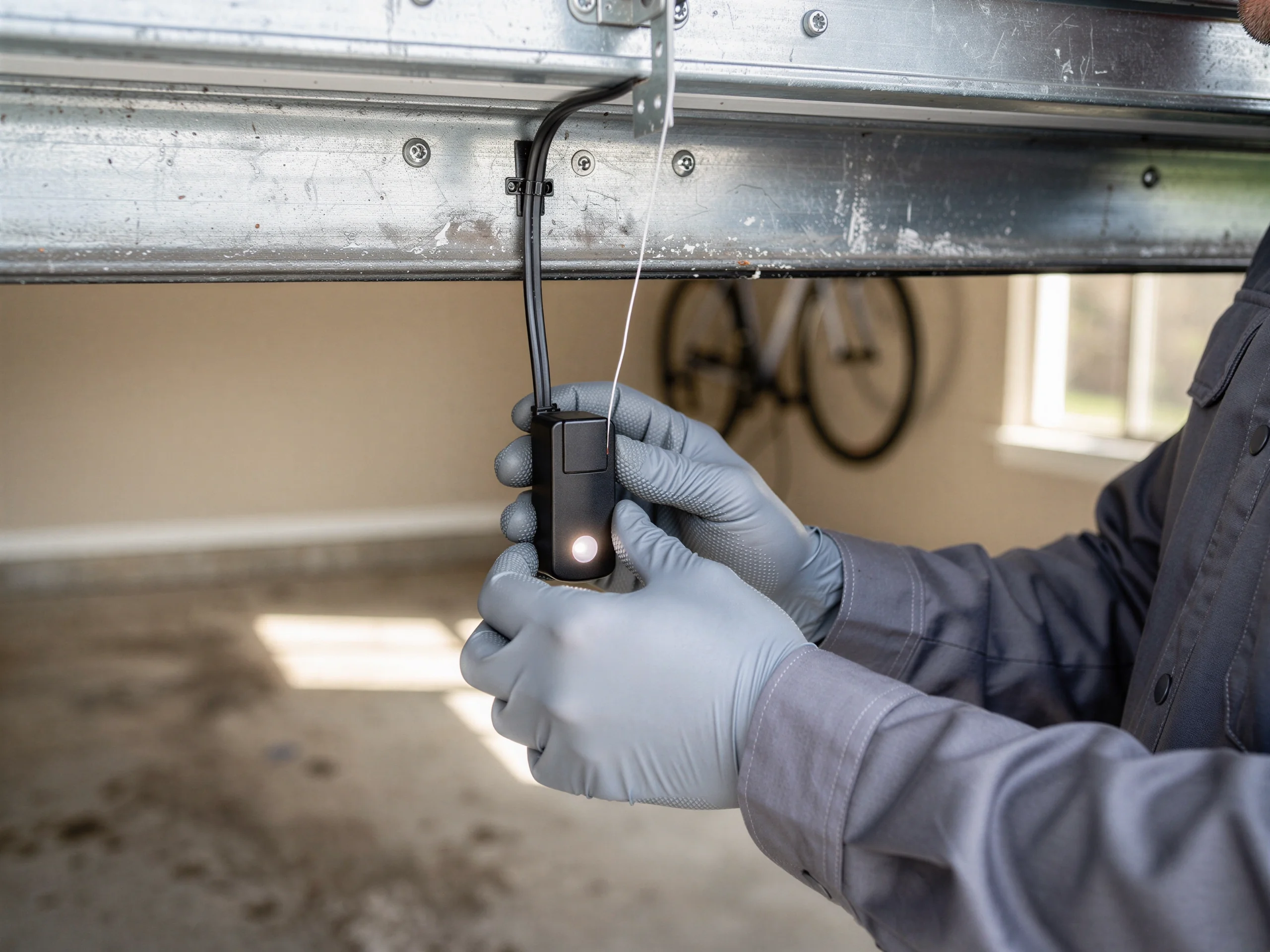
A door that reverses right after closing is almost always a sensor or limit issue, not a structural one. Tell us on the phone which of these you've got - loud bang versus silent stop versus reversing - because it changes what we load on the truck before we leave Azusa.
How to Book
Call and describe what the door is doing - bang, stall, or reverse - and give us the make of the opener if you can see it, since that's often faster to read than a model number buried under dust. We'll tell you honestly whether it's a same-day fix or a parts-order situation before we're on the road, not after. For general information on the Monrovia service area, see our Monrovia garage door repair page. If you're calling from Azusa itself, the Azusa emergency repair page is the one to use instead.
Talk to a local pro
Garage door service in Azusa?
Same-day service with honest, upfront quotes.