What the Repair Takes
The call we get most from Monrovia isn't a dead opener, it's a door that's gone heavy on one side and started grinding when it travels.
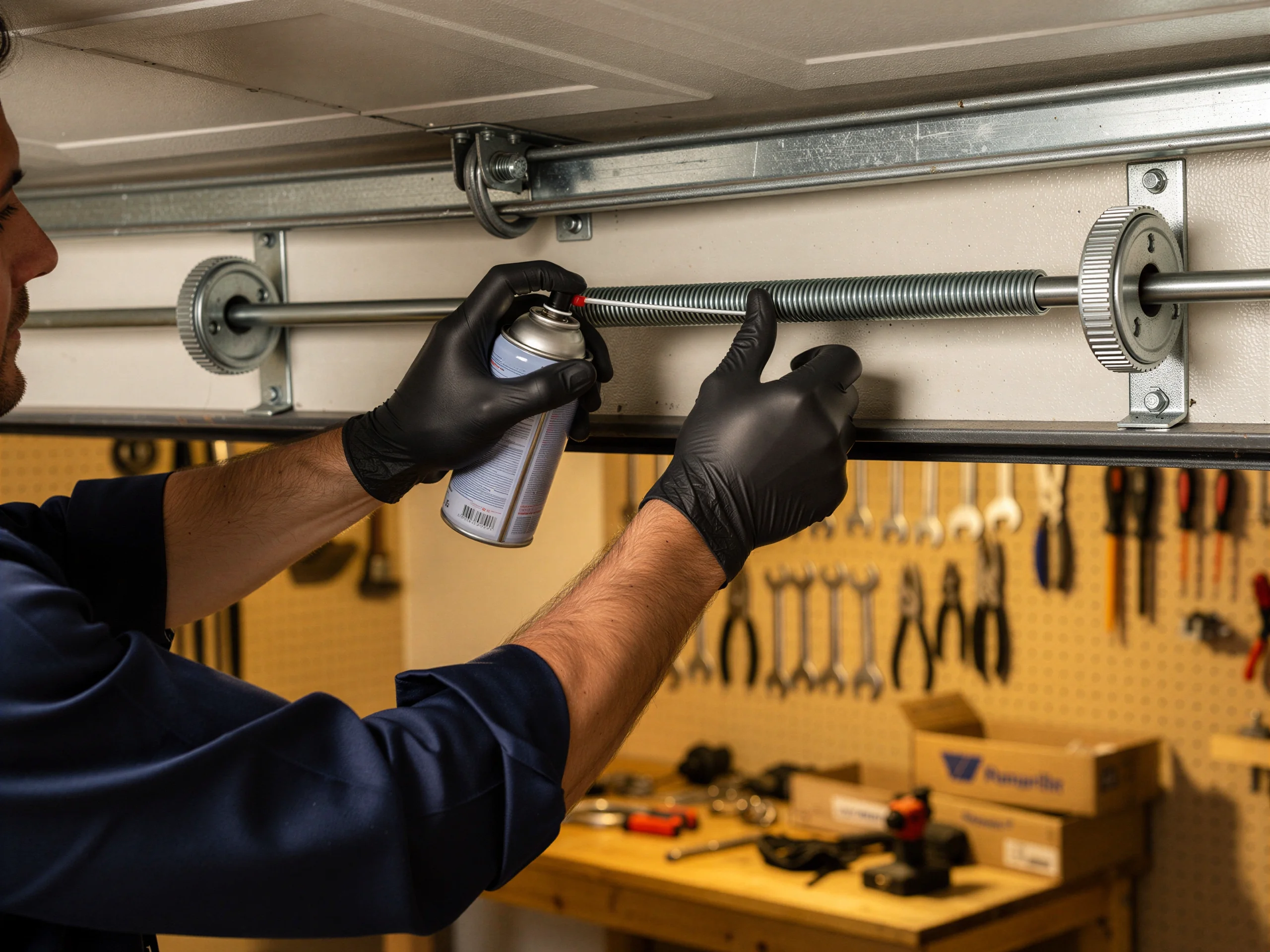
Uneven spring tension
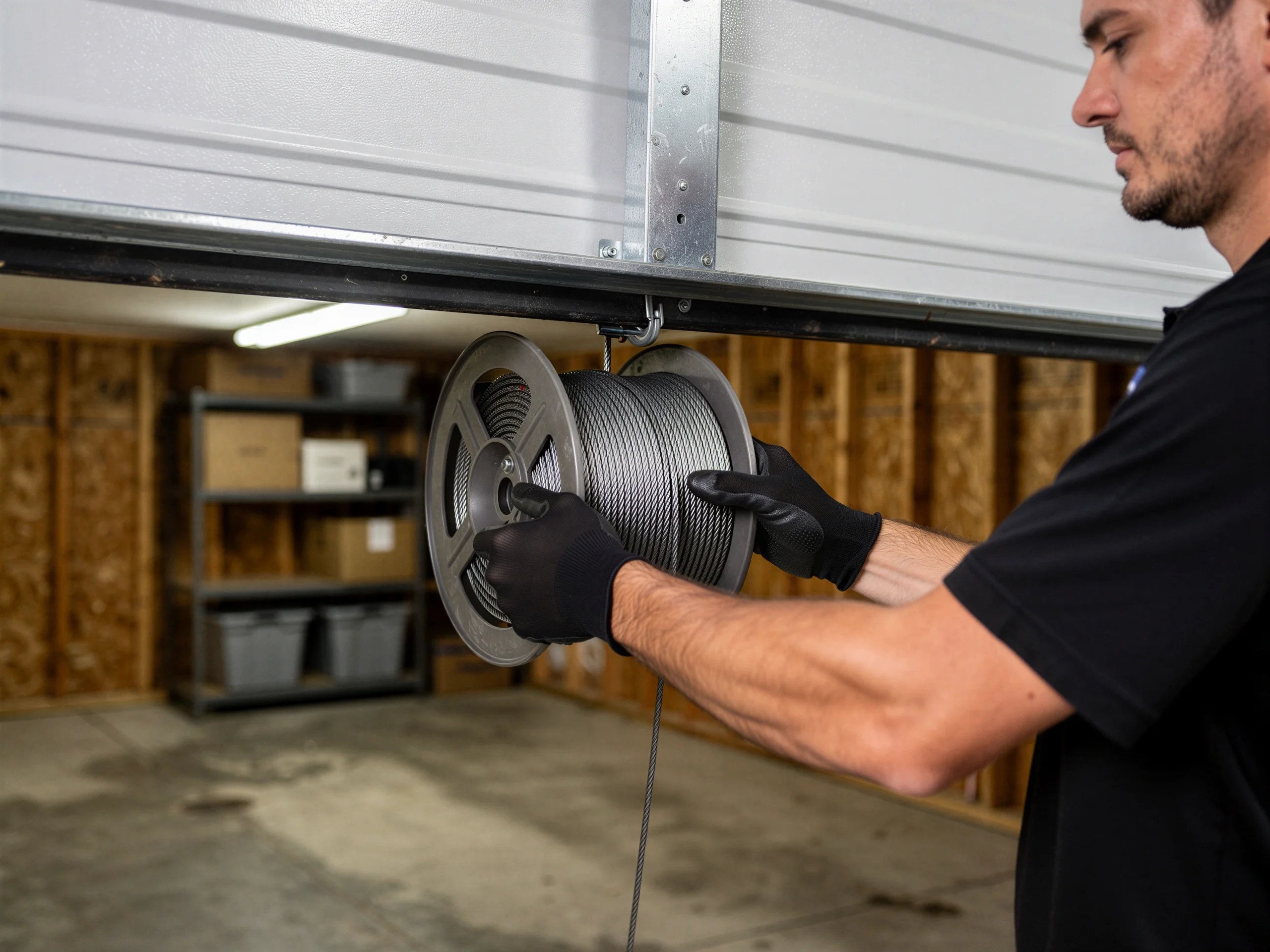
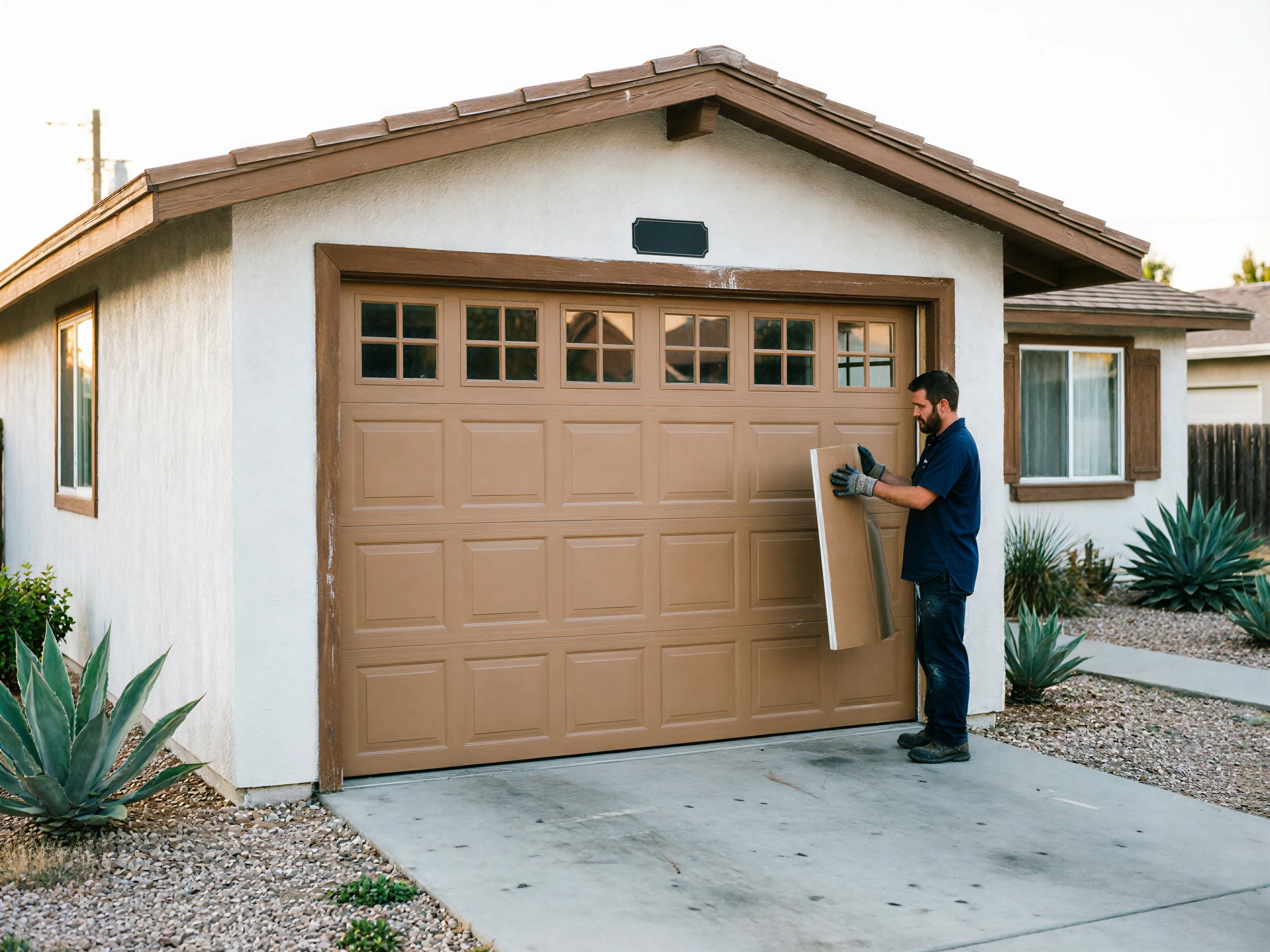
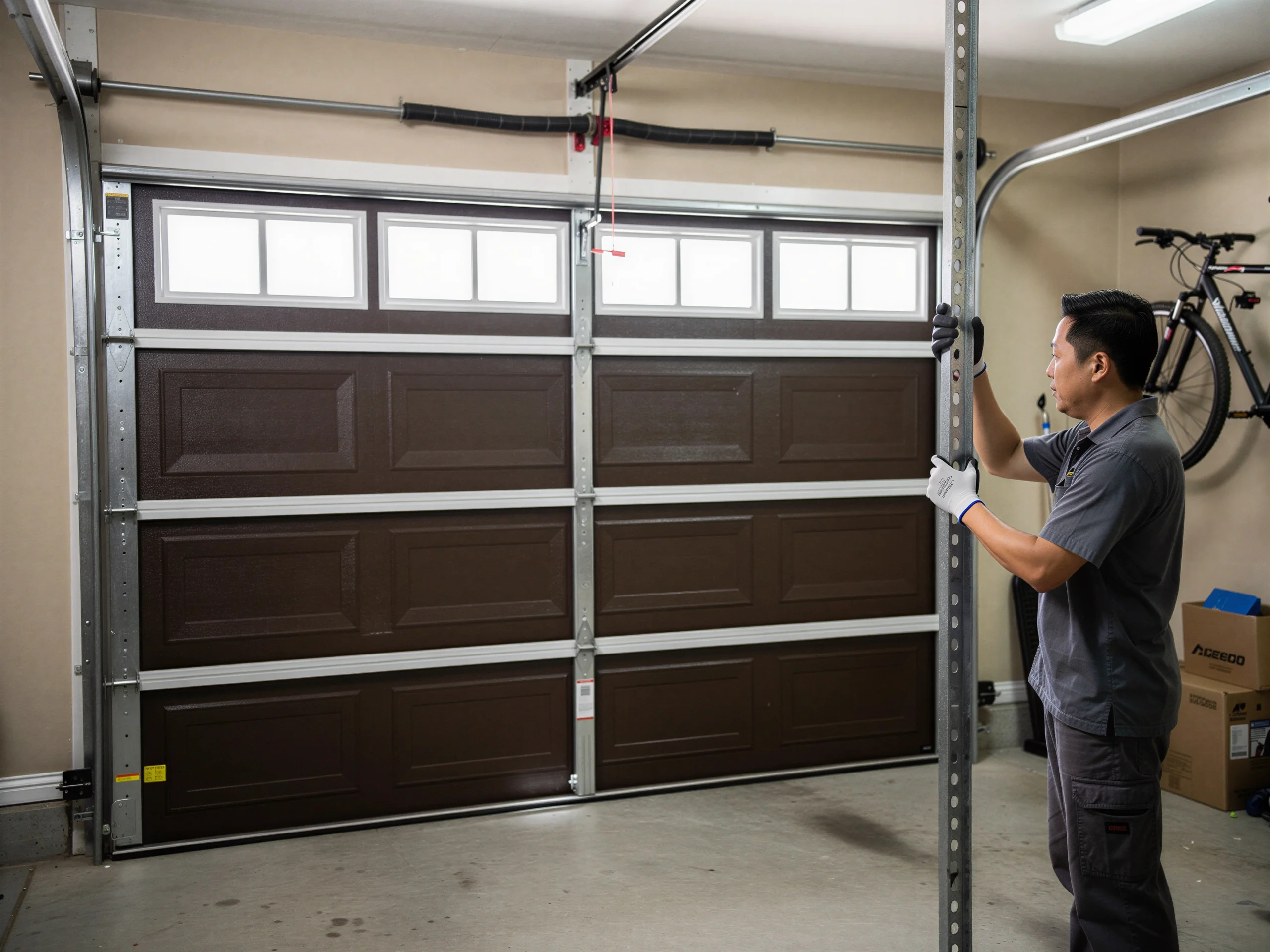
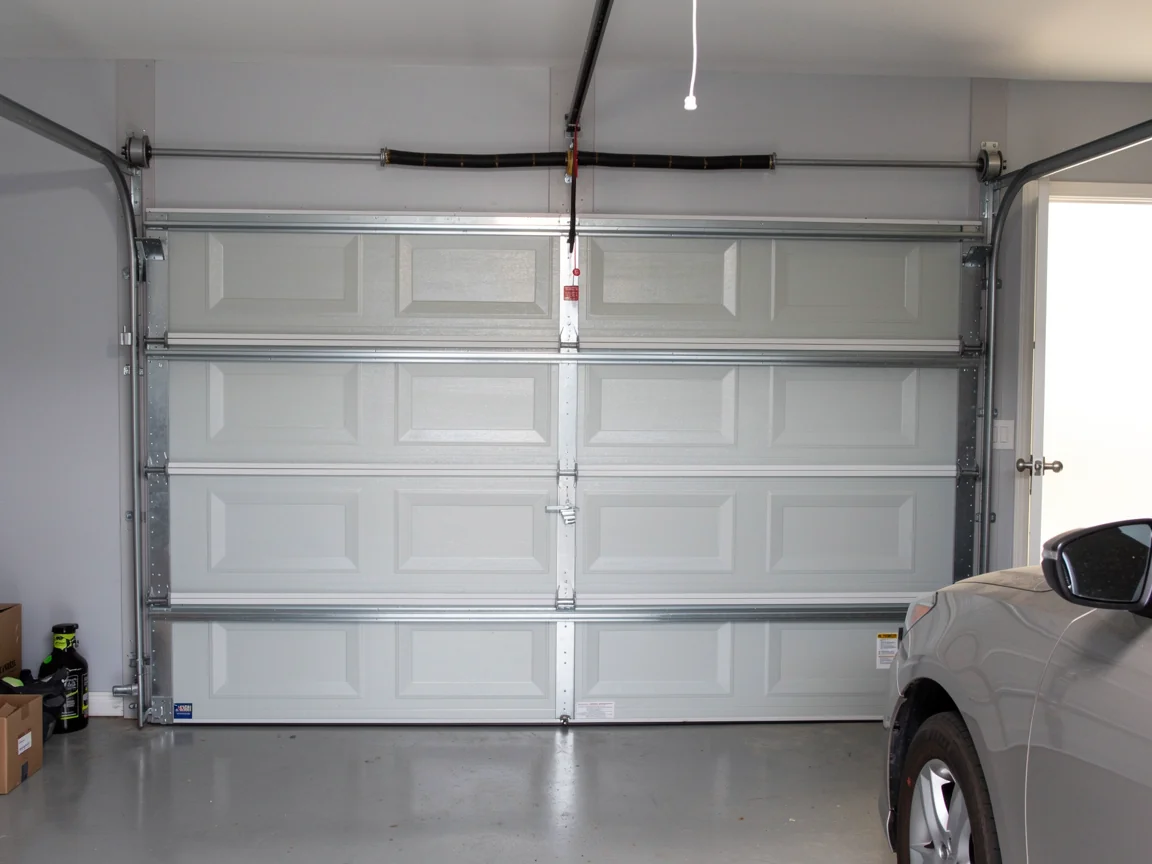
That's a torsion spring losing tension unevenly, or a cable starting to fray where it wraps the drum. On a door that's original to the house, both parts are usually original too, and the hardware has had decades to wear. Monrovia's housing stock centers on 1962, right in line with the wider area's 1943-2012 build range, and a lot of garages here still run the one-piece or sectional doors that came standard for that era.
Matching original assembly
The torsion systems on those builds used lighter springs than what goes into a door today, sized for lighter panel material. When we swap a spring on a 1962-era door, we're not just matching tension, we're matching an assembly that newer suppliers don't always stock in the exact gauge.
Truck stocked for failures
We make the 4-mile run from Azusa with the truck stocked for the common failure on that generation of door: torsion springs, drum cables, and the roller brackets that take the most abuse on tracks installed before anyone thought about nylon rollers. If your door needs a part we don't carry rolling, we'll tell you that up front rather than guess at a fix on-site.
What Can Go Wrong
Original torsion springs are the biggest issue on Monrovia's older doors. A spring rated for a 1960s panel weight, wound and re-wound for sixty years of temperature swings, eventually fatigues and snaps, usually without warning.
Crooked drop, jammed track
When one side goes, the door drops crooked and can jam the track on its way down. Cables take damage the same way, strand by strand, and most owners don't see it until the door won't lift evenly.
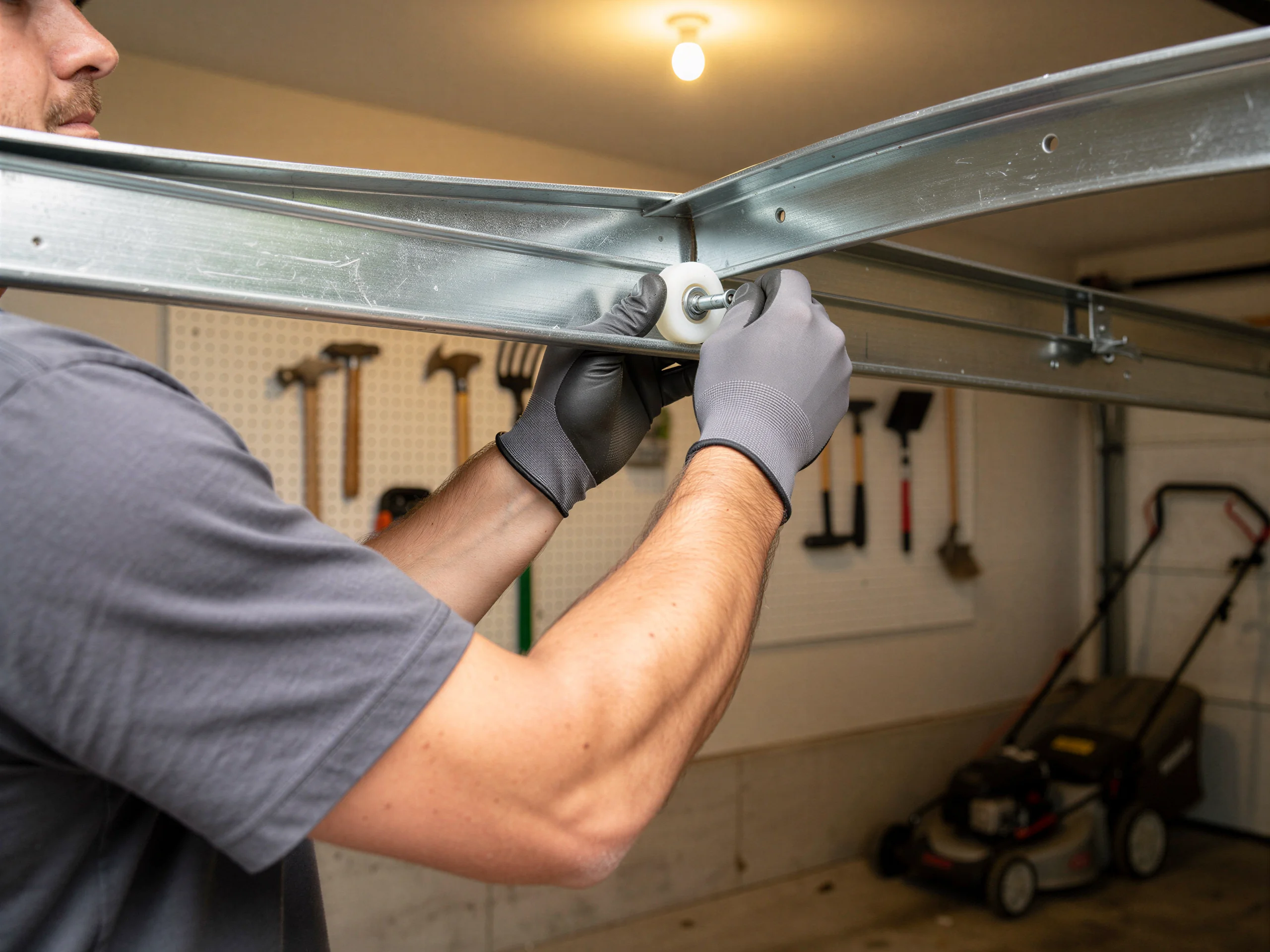
Steel rollers wear track
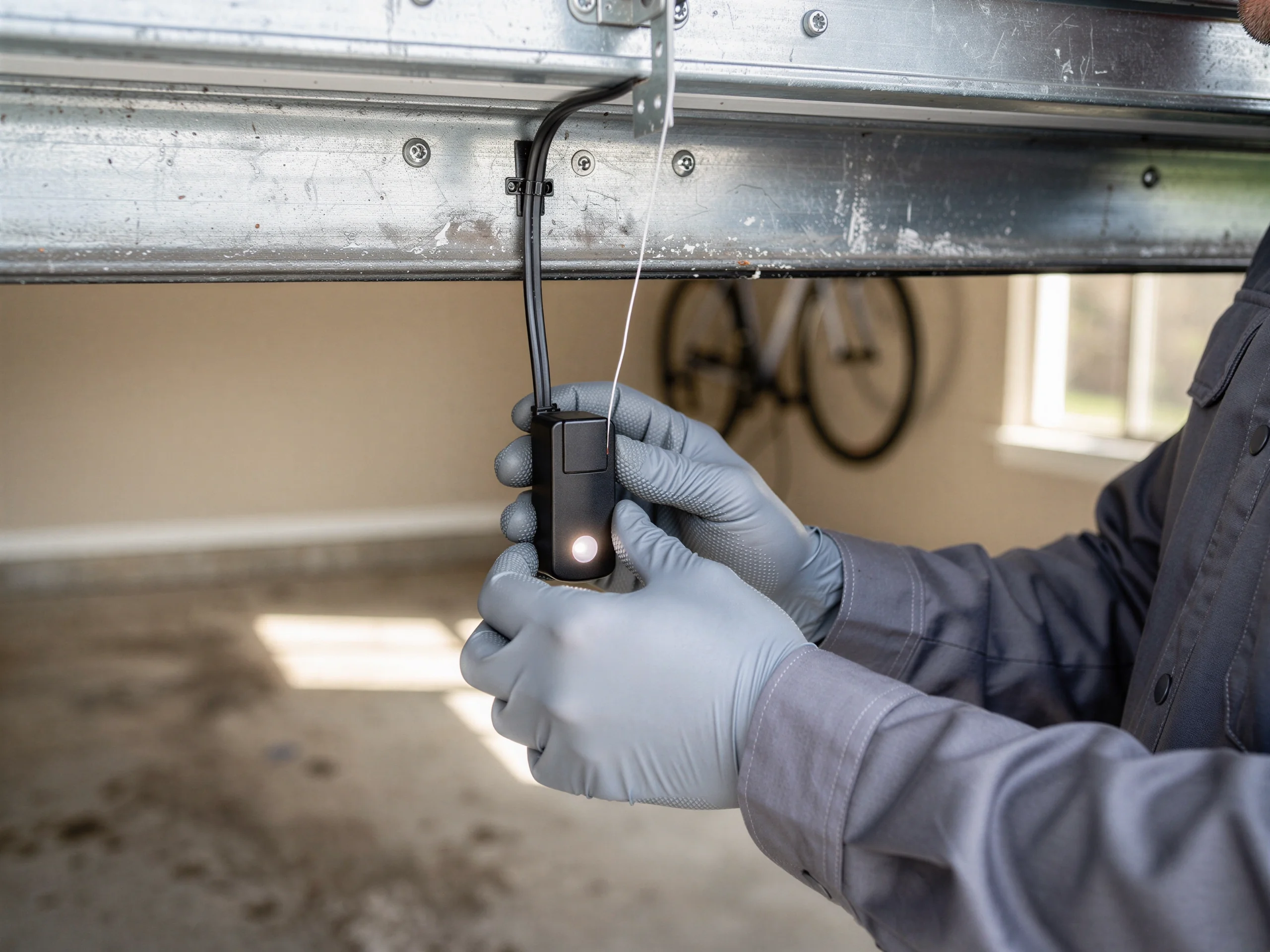
Rollers on these older tracks are often the original steel type, not the quieter nylon rollers now standard; steel rollers wear the track itself over time, which turns what should be a roller swap into a track repair. Openers are a separate problem.
Retrofit opener mismatch
A house built in 1962 wasn't built with an opener in mind at all, so a lot of these are retrofits from whatever decade the owner added one. We've seen openers that don't match the door's actual weight, which burns out the motor faster than it should. None of this is dramatic, but all of it is predictable once you know what decade the hardware came from.
The Symptom
If your Monrovia door is slow to start moving, then jerks once it gets going, that's usually a spring that's lost tension but hasn't broken yet.
Stalled mid-travel resistance
If it stops dead partway and the opener motor keeps running, the opener is pulling against resistance the track or rollers are creating, not against the door itself. A door that drops suddenly on one side, even an inch, means a cable or spring has let go on that side.
Remaining spring overload
Don't try to force it the rest of the way down or up. The remaining spring is holding the full load alone at that point, and that's when the hardware or the door panel itself can get damaged further.
Narrowed track noise
Grinding or popping noises near the top of the track, especially on a door original to the house, usually point to worn rollers riding a track that's narrowed slightly with age. It's not an emergency, but it gets worse the longer it runs that way.
How to Book
Call and tell us what the door's doing, what year the house is if you know it, and whether the opener is original or added later. That's usually enough for us to bring the right spring size and cable gauge on the first trip rather than a second one.
We work Monrovia from our Azusa location, about 4 miles out, so there's no separate branch here and no separate crew. One company, one truck route, same people answering the phone.
See Monrovia Garage Door Repair for this page, or Azusa Garage Door Repair for the full service area.
Talk to a local pro
Garage door service in Azusa?
Same-day service with honest, upfront quotes.