The Cost of This Job
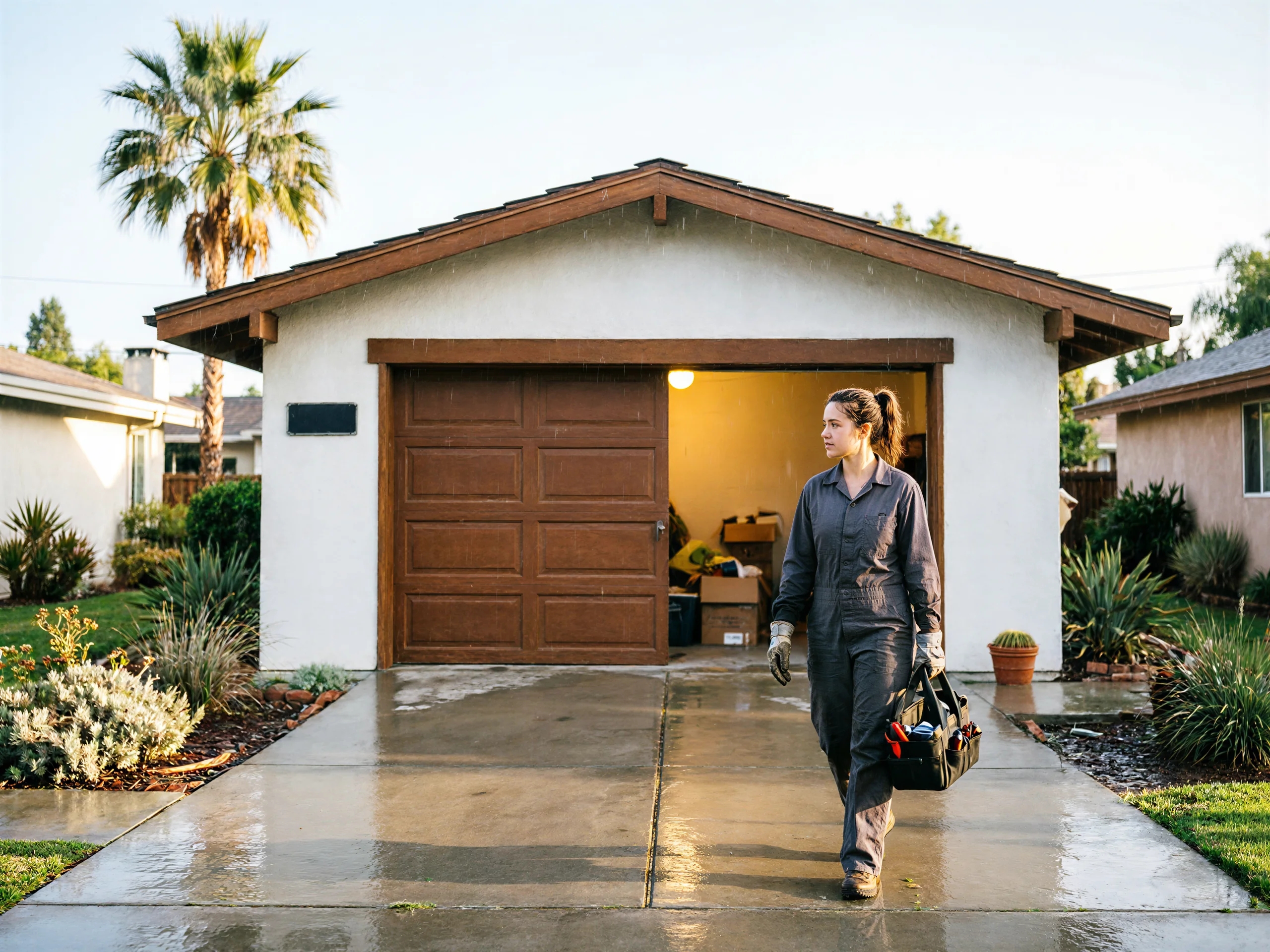
We don't have a posted price for a maintenance visit in Valinda, and we'd rather tell you that than guess. What we can tell you is what drives the number: houses here were mostly built around 1957, which puts a lot of garages on the original torsion hardware - drums, bearing plates, and sometimes the spring itself. If that hardware has never been swapped, a maintenance call often turns into a conversation about which parts are past due for replacement rather than just lubrication and a tension check. That's not an upsell, it's just what 65-plus-year-old steel looks like after decades of cycles. Newer doors, where they exist in this pocket of the service area, usually need less. We travel the 7 miles out from Azusa for this work, so a call covers the visit itself, not a dispatch fee stacked on top of guesswork.
How Long It Takes
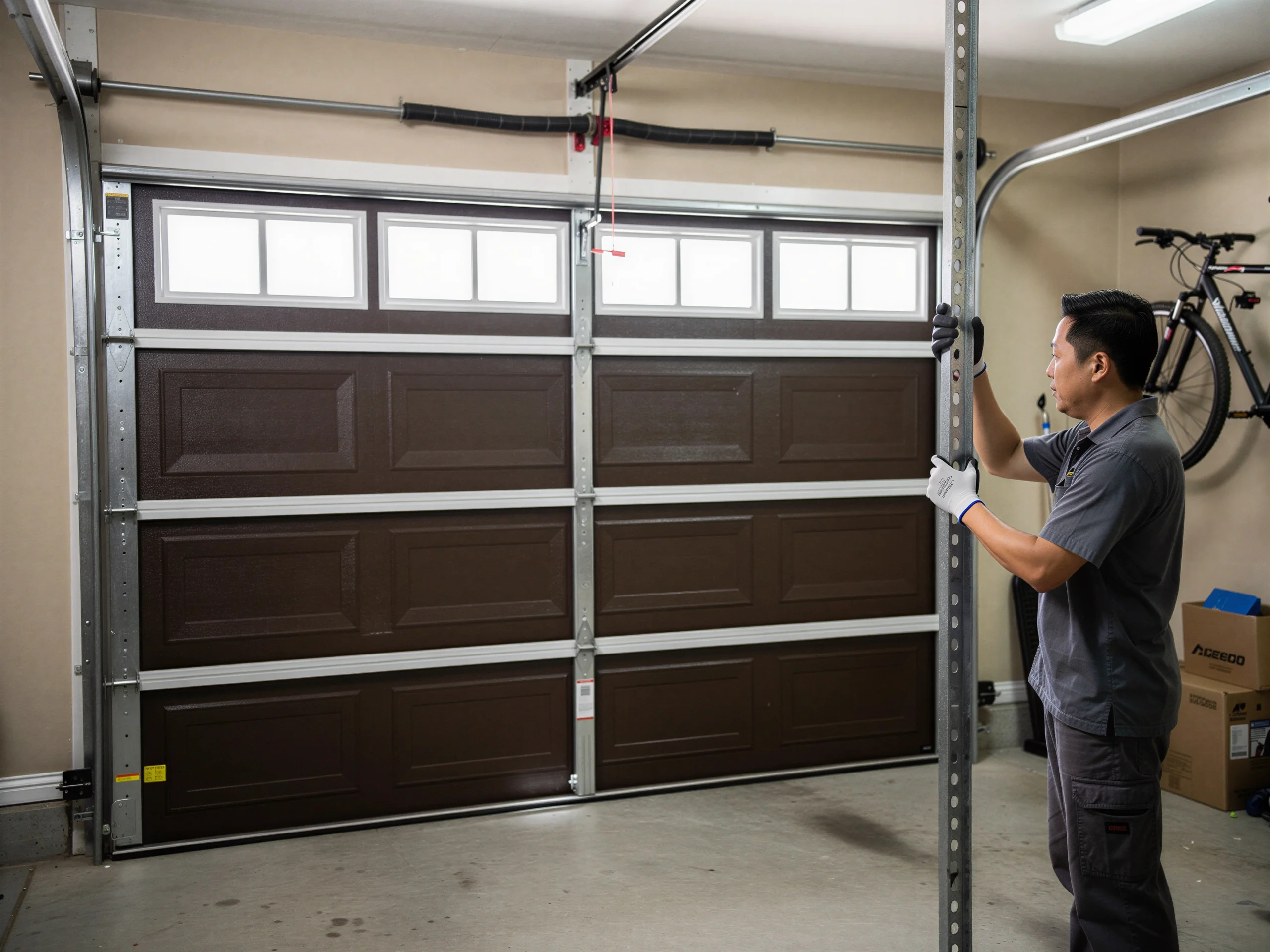
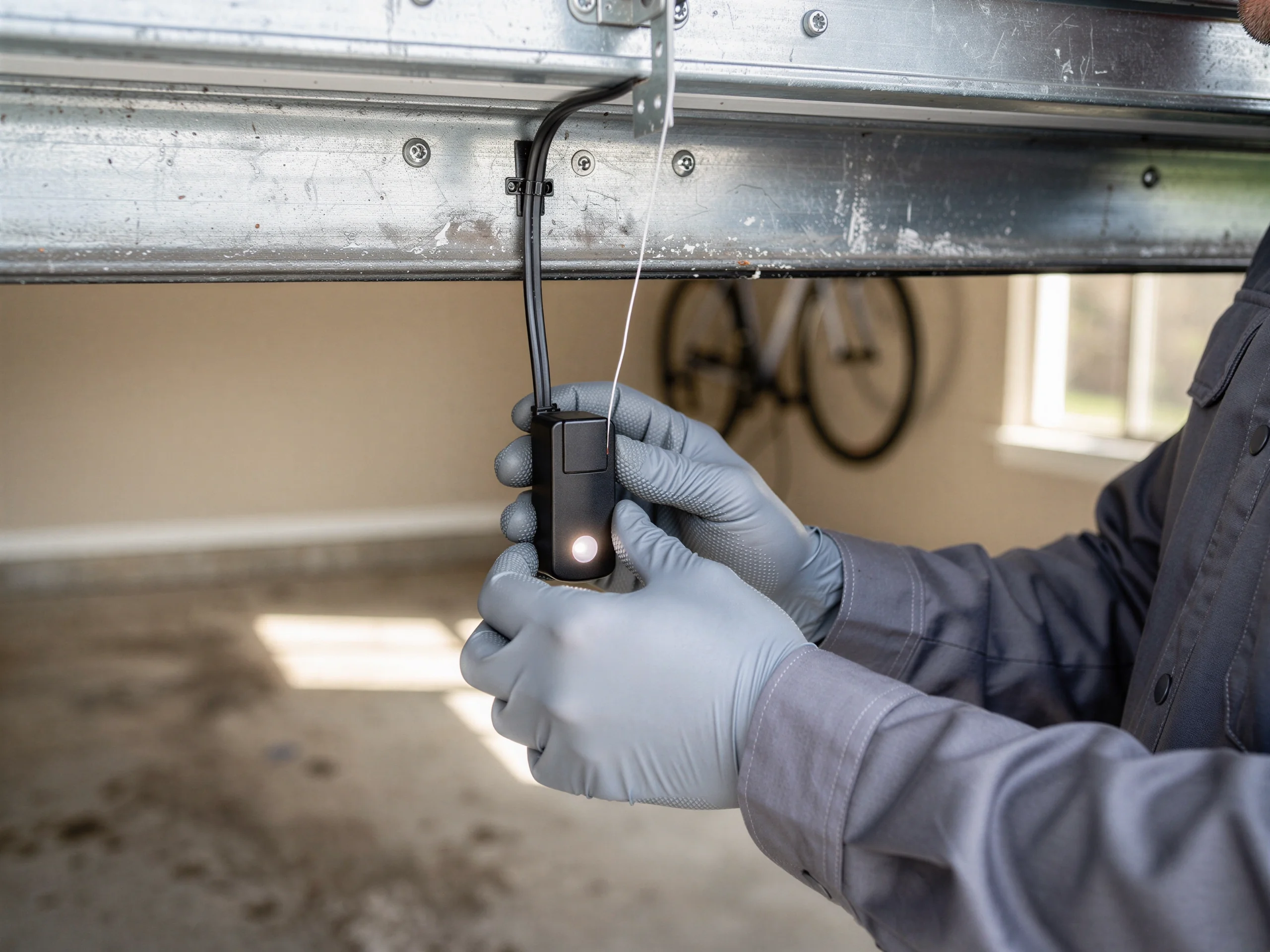
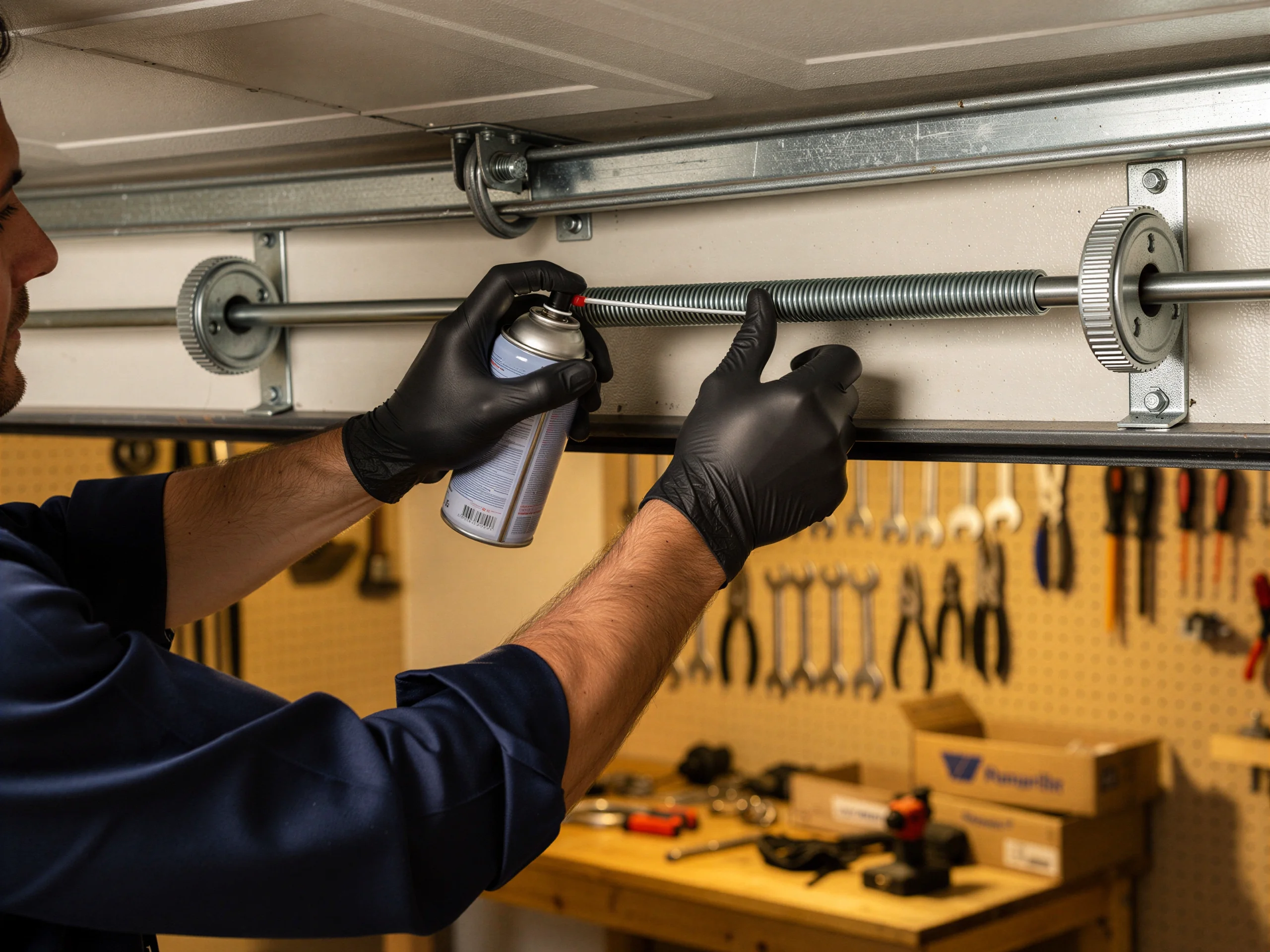
A straightforward maintenance visit - lubrication, hardware inspection, balance check, opener safety test - runs under an hour on most doors. Valinda adds a wrinkle: because so much of the housing stock here dates to the late 1950s, we're more likely to find a roller track that's slightly out of plumb from decades of settling, or hinges stretched past spec. Catching that during a maintenance visit instead of waiting for a cable to snap is the whole point of the appointment. If we find a spring that's visibly fatigued or hardware that's seized, we'll say so on the spot rather than push through a quick service and leave you with a door that fails next month.
What the Repair Takes
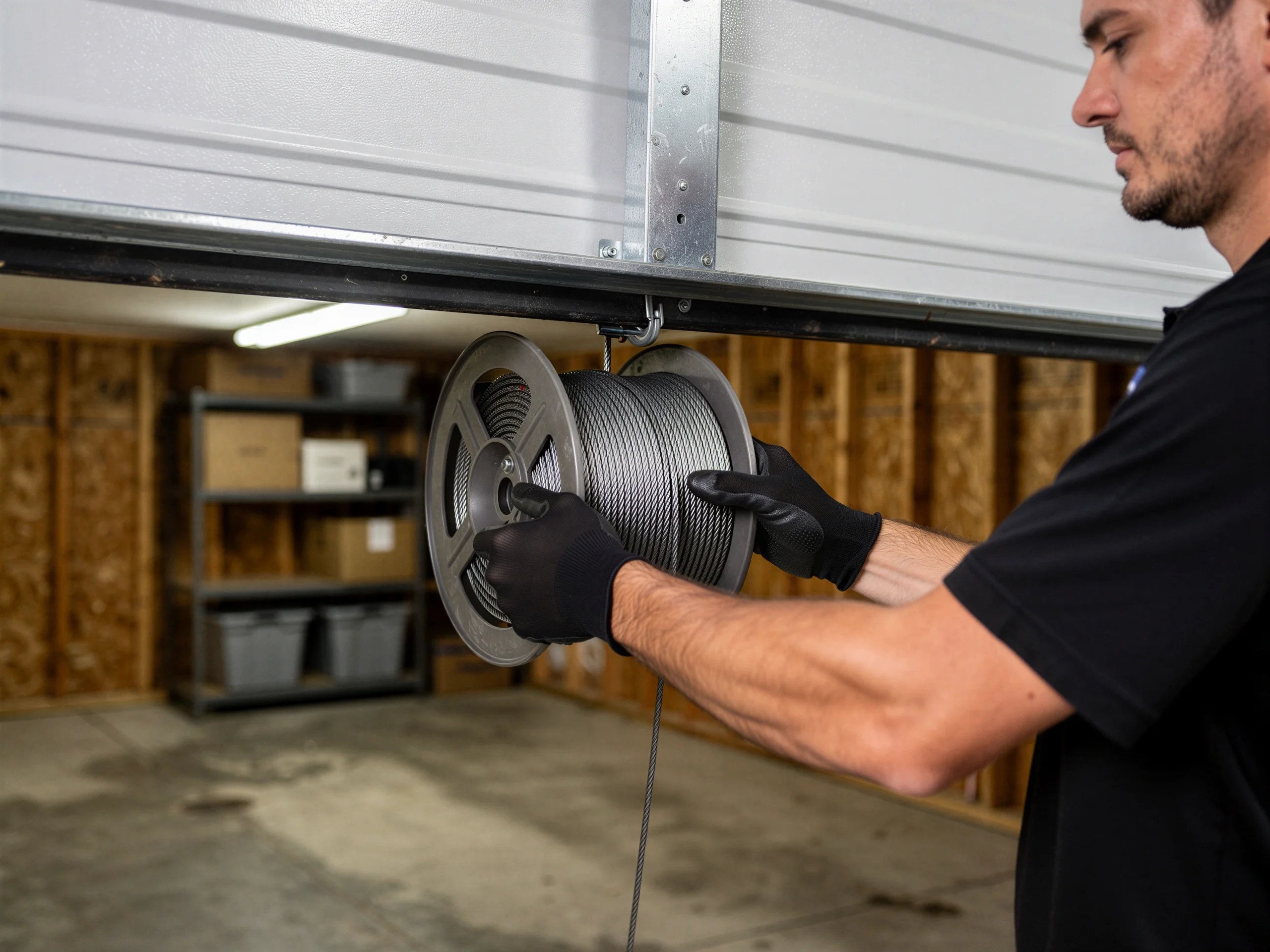
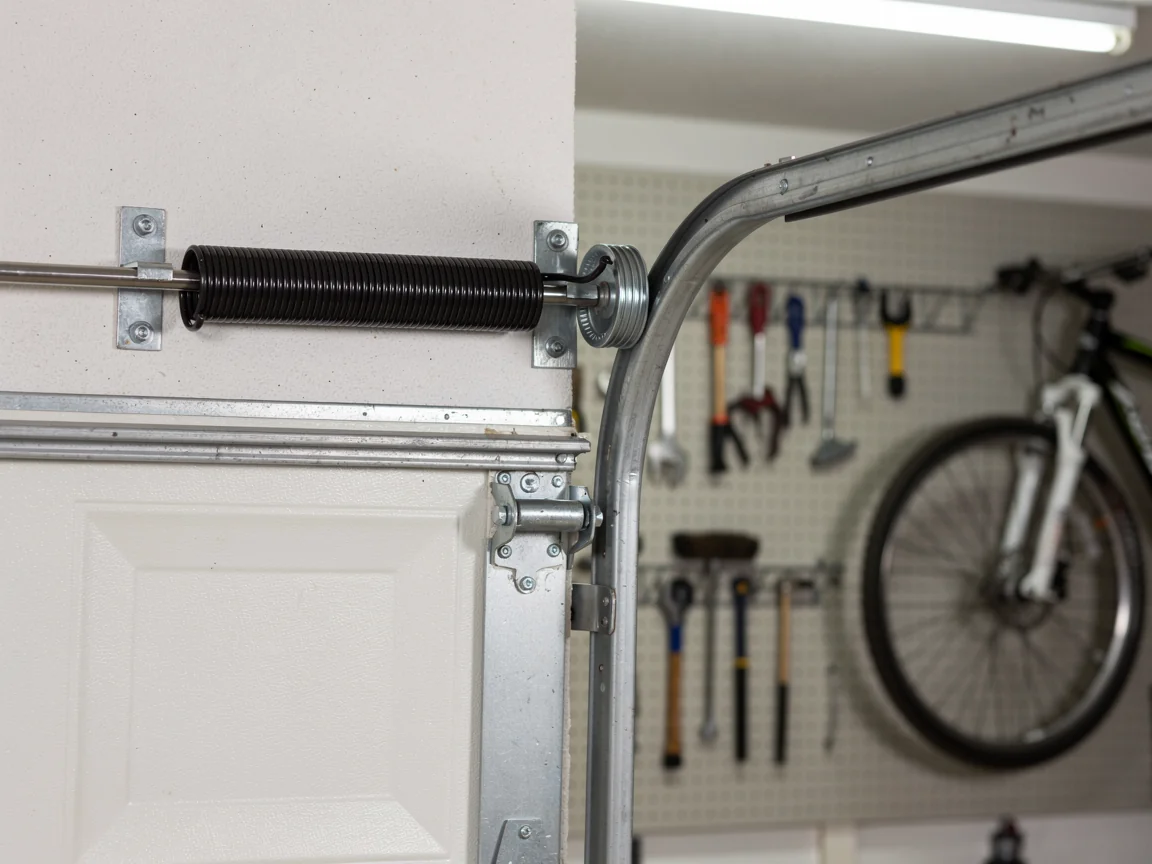
On a 1957-built garage, the parts most often due are the torsion spring, the bottom bracket, and sometimes the original track if it was never upgraded.
Weight growth from insulation
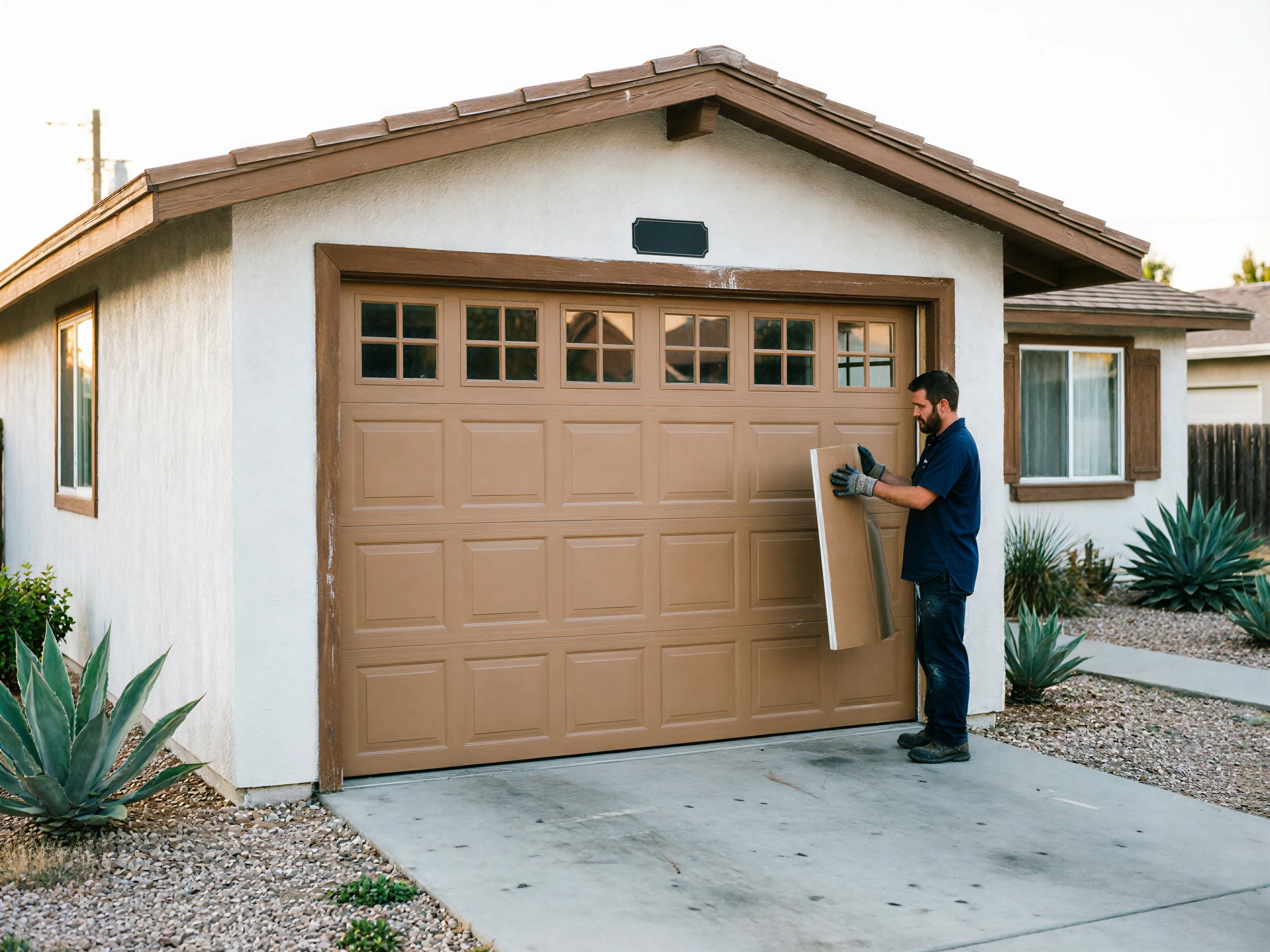
None of that is unusual for a house this age - it's just worn. We check wire gauge and drum wear against what the door actually weighs now, since panels get heavier over the years with added insulation or replacement sections that don't quite match the original.
Original opener parts gap
One honest limit: if the opener itself is also original to the house, we may not have a direct replacement part on the truck for a unit that old, and that becomes a separate conversation about swapping the opener rather than patching it.
The Symptom
The complaint we hear most from this part of the service area is a door that's gotten noisy or feels heavier to lift by hand than it used to - both classic signs of hardware that's simply reached the end of its working life rather than failed outright. With median household income here near $99,979 and a modest household count of roughly 4,737, a lot of these are owner-occupied homes where the door has had one or two owners and never had the torsion system touched. That's a long run for steel under constant tension, and it usually announces itself with noise before it breaks.
What Can Go Wrong
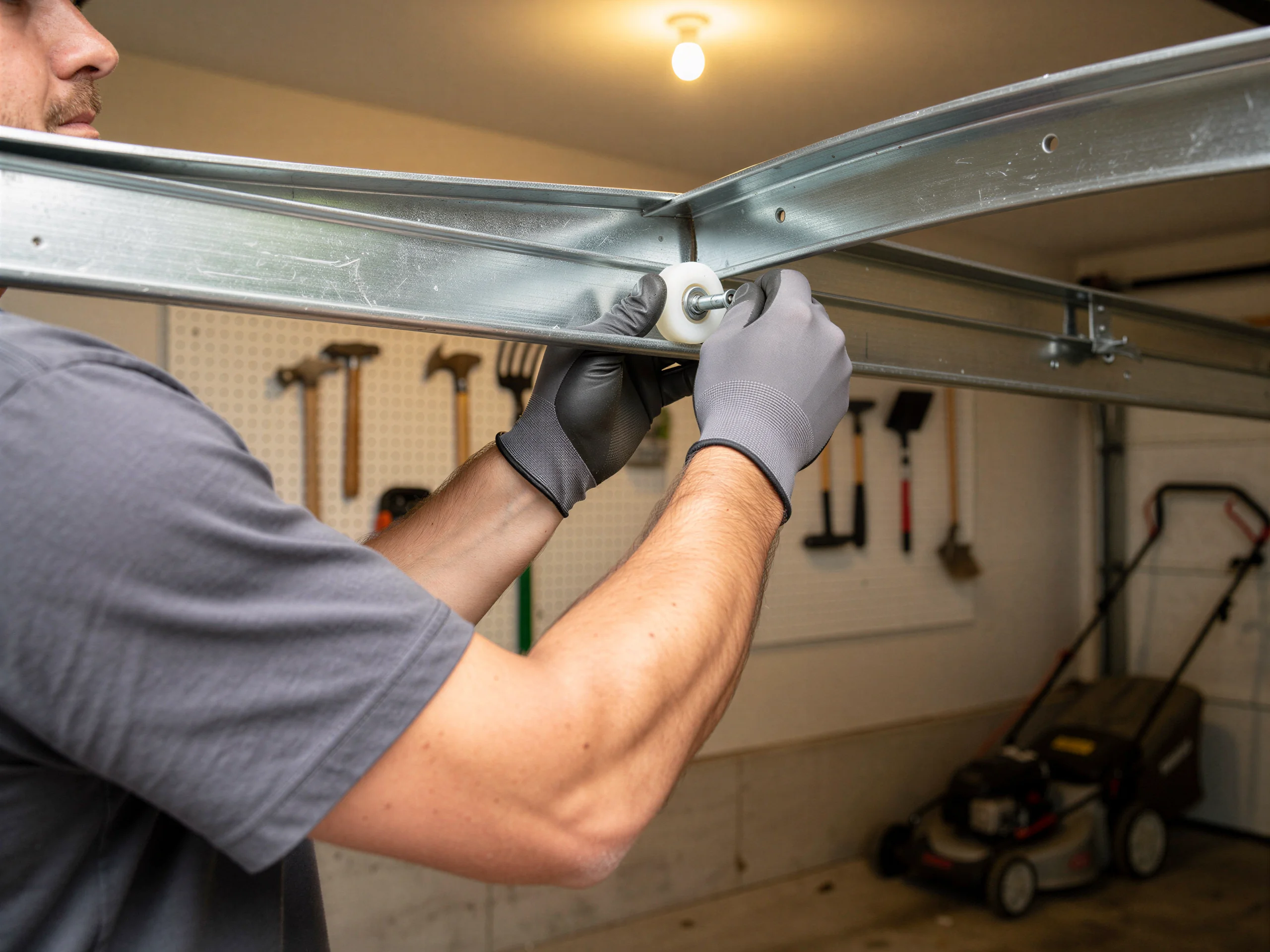
The main risk on a door this old is deferred maintenance meeting a spring that's already near its fatigue limit - the kind of failure that happens suddenly, not gradually. Humidity swings aren't the driver here; this area sits in a moderate heat band, so it's cycle count and age doing the damage, not weather extremes. We also see tracks that were never re-aligned after a house settled, which puts uneven load on rollers and bearings on one side of the door. If a door in Valinda is still running its original 1957-era hardware and hasn't had a maintenance check, that's the deferred risk worth addressing before it becomes an after-hours call.
Talk to a local pro
Garage door service in Azusa?
Same-day service with honest, upfront quotes.